White Chocolate Pistachio Cookies
These white chocolate pistachio cookies are the perfect balance of buttery richness, nutty flavor, and sweet indulgence. With their soft, chewy texture and gorgeous green and white color combination, they're as beautiful as they are delicious. Whether you're baking for the holidays or simply treating yourself, these bakery-style cookies deliver professional results every time.


The Secret to Perfectly Soft Cookies
The key to achieving that coveted bakery-style texture lies in understanding the science of cookie baking. When you cream butter and sugar together for a full 3-4 minutes, you're incorporating air that creates a lighter, more tender crumb. The combination of both white and brown sugar is crucial - white sugar provides structure and crispness at the edges, while brown sugar adds moisture and chewiness thanks to its molasses content.
Temperature control is everything when it comes to soft cookies. Your butter should be at room temperature, not melted, which allows it to cream properly with the sugars. Additionally, slightly underbaking these cookies is intentional - they'll continue to cook on the hot baking sheet after removal from the oven. This technique ensures they stay soft and chewy rather than becoming dry and crumbly.
💡 Professional Tip
For extra soft cookies, add an extra egg yolk to the dough. The additional fat creates an even more tender texture without affecting the flavor.
Frequently Asked Questions
Absolutely! The cookie dough can be made up to 3 days in advance and stored in the refrigerator, or frozen for up to 3 months. For refrigerated dough, let it sit at room temperature for 10 minutes before scooping and baking. Frozen dough balls can be baked directly from frozen, adding 2-3 extra minutes to the baking time.
Yes, but reduce the salt in the recipe to 1/4 teaspoon to avoid overly salty cookies. Salted pistachios will add a nice sweet-salty contrast, which many people enjoy. Just taste your dough before baking to ensure the salt level is to your liking.
Excessive spreading usually occurs when butter is too warm or dough is too soft. Make sure your butter is softened but still cool to the touch, not melted. If your kitchen is warm, chill the dough for 30 minutes before baking. Also ensure you're measuring flour correctly by spooning it into the measuring cup rather than scooping directly.
While white chocolate is traditional, you can substitute with dark chocolate chips, milk chocolate, or even butterscotch chips. Each will create a different flavor profile. For a more sophisticated cookie, try using chopped white chocolate bars instead of chips for a more melty, luxurious texture.
The edges should be lightly golden brown while the centers still look slightly pale and underdone. They should not look wet, but they shouldn't be browned all the way through either. Remember, they'll continue cooking on the hot pan after removal from the oven, so slightly underbaking ensures a soft, chewy texture.
These cookies pair beautifully with coffee, hot chocolate, or a glass of cold milk. For an elegant dessert, serve them alongside vanilla ice cream or with a cup of Earl Grey tea. During the holidays, they're wonderful with spiced cider or eggnog.
Yes! Substitute the all-purpose flour with a 1:1 gluten-free baking flour blend that contains xanthan gum. The texture will be slightly different but still delicious. Brands like Bob's Red Mill or King Arthur work well. Avoid using single-grain flours without a proper blend.
Store cookies in an airtight container at room temperature for up to 5 days. To keep them extra soft, place a slice of bread in the container - it releases moisture that the cookies absorb. For longer storage, freeze baked cookies in a freezer bag for up to 3 months. Thaw at room temperature for 30 minutes before serving.
Recipe Troubleshooting Guide
Cookies Too Flat
Problem: Cookies spread too thin and end up crispy instead of thick and chewy.
Solution: This happens when the dough is too warm. Chill your dough for 30 minutes before baking, and make sure your butter wasn't melted. Also, check that your baking soda is fresh - old leavening agents won't provide proper lift. Use a cookie scoop for uniform portions, and don't skip the parchment paper.
Cookies Too Thick and Cakey
Problem: Cookies puff up too much and have a cake-like texture instead of being chewy.
Solution: You may have added too much flour - measure by spooning flour into the cup and leveling off, never packing it. Also, make sure you're creaming the butter and sugar adequately (3-4 minutes) to incorporate enough air. Slightly flatten the dough balls before baking if this continues to be an issue.
Uneven Baking
Problem: Some cookies are done while others are still raw, even on the same baking sheet.
Prevention: This indicates uneven oven temperature or inconsistent dough portions. Invest in an oven thermometer to verify your oven's accuracy. Use a cookie scoop to ensure all portions are identical. Rotate your baking sheet halfway through baking, and avoid overcrowding - leave at least 2 inches between cookies.
White Chocolate Burning
Problem: The white chocolate chips are turning brown or developing dark spots.
Recovery: White chocolate has a lower melting point than other chocolates and can scorch easily. Make sure your oven temperature is accurate at 350°F - even 25 degrees higher can cause burning. Consider using white chocolate chunks instead of chips, as they often have better quality cocoa butter that tolerates heat better.
Cookies Too Dry
Problem: Cookies come out dry and crumbly instead of moist and chewy.
Prevention: This is usually from overbaking. Remember to remove cookies when centers still look slightly underdone. Also check your flour measurement - too much flour creates dry cookies. Make sure eggs are at room temperature before adding, as cold eggs can affect the dough's moisture distribution.
Flavor Balance Issues
Too Sweet: If cookies taste too sweet, reduce white chocolate chips to 1 cup and add 1/4 teaspoon of almond extract to balance the sweetness with nutty depth.
Too Salty: If too salty, you likely used salted butter with full salt measurement. Always use unsalted butter for baking to control sodium levels. Rinse salted pistachios under water and pat dry before using.
Bland: If flavor is flat, increase vanilla to 1 tablespoon, add 1/4 teaspoon almond extract, or toast pistachios lightly before adding to enhance their nutty flavor.
Choosing the Best Ingredients
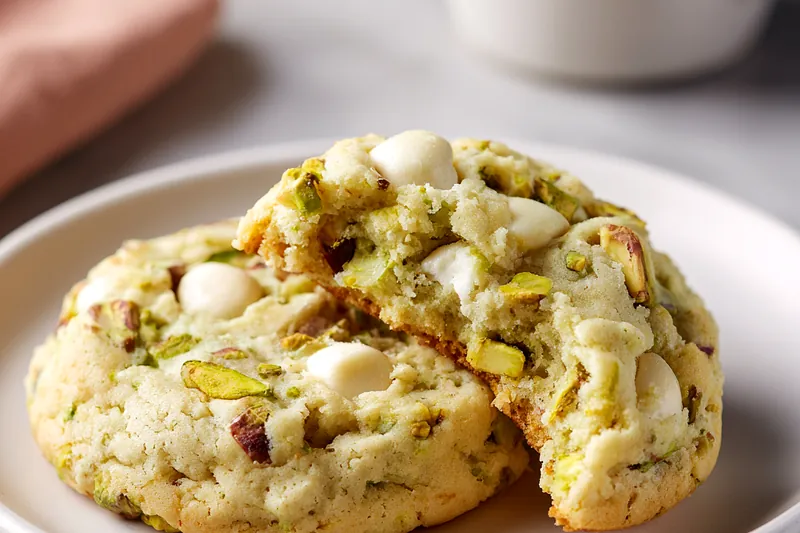
Not all pistachios are created equal when it comes to baking. Look for bright green pistachios that are fresh and aromatic - they should have a sweet, nutty scent without any rancid odor. Avoid pistachios that look yellowed or dried out, as they've lost their flavor and won't provide that beautiful color contrast in your cookies. Raw, unsalted pistachios work best, allowing you to control the salt level in your recipe.
White chocolate quality matters significantly in these cookies. Real white chocolate contains cocoa butter and will melt beautifully, creating pockets of creamy sweetness. Avoid white baking chips that use vegetable oil instead - they won't melt properly and can taste waxy. Brands like Ghirardelli or Guittard offer excellent white chocolate chips, or you can chop a high-quality white chocolate bar for even better results.
Essential Ingredient Notes
- Pistachios: Choose bright green, unsalted pistachios for the best color and flavor control. Toast them lightly at 325°F for 5 minutes to intensify their nutty taste. Chop them roughly so you get varied sizes - some fine pieces and some larger chunks create better texture throughout the cookie.
- White Chocolate: Select white chocolate chips or bars that list cocoa butter as the first ingredient after sugar. Quality matters here - better chocolate means better melting and creamier texture. For extra decadence, use a combination of chips and chopped white chocolate bars.
- Butter: Always use unsalted butter at room temperature, which should be soft enough to leave an indent when pressed but not melting or greasy. European-style butter with higher fat content (82% vs 80%) creates even richer, more tender cookies if you want to elevate this recipe further.
Mastering the Technique
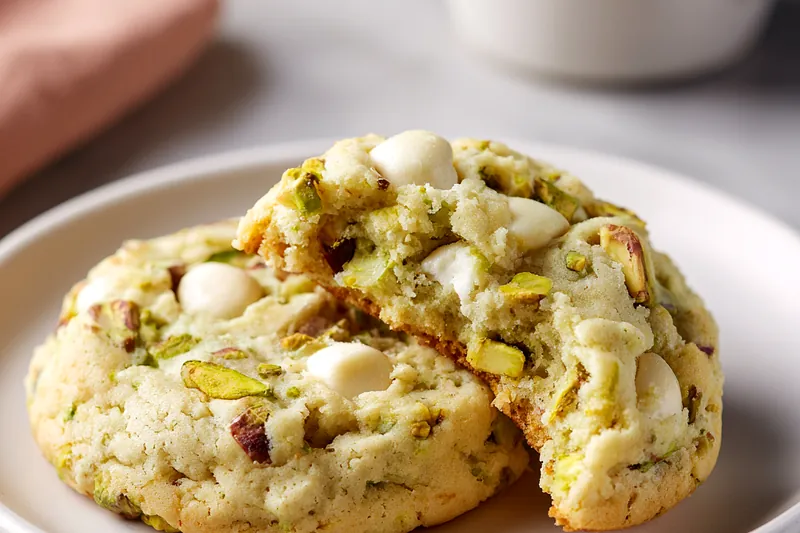
The creaming method is fundamental to these cookies' success. When you beat butter and sugar together, you're creating tiny air pockets that expand during baking, giving cookies their characteristic texture. Beat for the full 3-4 minutes - you'll notice the mixture becomes lighter in color and fluffy in texture. This step cannot be rushed, as insufficient creaming leads to dense, flat cookies.
Knowing when to remove cookies from the oven separates good cookies from exceptional ones. These cookies continue baking on the hot pan after removal, a process called carryover cooking. The centers should look slightly underdone when you pull them out - they'll firm up perfectly during cooling. If you wait until they look completely done in the oven, they'll be overbaked by the time they cool.
The Five-Minute Rest
After removing cookies from the oven, let them rest on the baking sheet for exactly 5 minutes before transferring to a cooling rack. This crucial step allows the cookies to set their structure while the residual heat finishes cooking the centers. Moving them too soon causes them to break apart; leaving them too long makes them stick to the pan. Set a timer for perfect results every time.
White Chocolate Pistachio Cookies
📋 Ingredients
Dry Ingredients
- 1 1/2 cups white chocolate chipsChoose quality chips with cocoa butter
- 1 cup shelled pistachios, roughly choppedLook for bright green, fresh pistachios
- 1/4 cup additional pistachios for toppingKeep these in larger pieces for visual appeal
Wet Ingredients & Mix-Ins
- 2 1/4 cups all-purpose flourSpoon flour into measuring cup and level off - don't pack
- 1 teaspoon baking sodaMake sure it's fresh for proper rise
- 1/2 teaspoon saltEnhances all the flavors in the cookie
- 1 cup unsalted butter, softenedShould be cool room temperature, not melted
- 3/4 cup granulated sugarCreates crispy edges
- 3/4 cup light brown sugar, packedAdds moisture and chewiness
- 2 large eggsBring to room temperature for best incorporation
- 2 teaspoons vanilla extractPure vanilla, not imitation, for best flavor
Instructions
Prepare Dry Ingredients
Preheat oven to 350°F and line baking sheets with parchment paper. In a medium bowl, whisk together flour, baking soda, and salt. Set aside.
Cream Butter and Sugars
In a large bowl, beat softened butter with both sugars until light and fluffy, about 3-4 minutes. Add eggs one at a time, beating well after each addition. Mix in vanilla extract.
Combine and Add Mix-Ins
Gradually add the flour mixture to the butter mixture, mixing on low speed until just combined. Fold in white chocolate chips and chopped pistachios until evenly distributed.
Shape and Bake
Scoop dough into 2-tablespoon portions and roll into balls. Place 2 inches apart on prepared baking sheets. Press a few extra pistachio pieces on top of each cookie. Bake for 11-13 minutes until edges are golden but centers still look slightly underdone.
Cool and Serve
Let cookies cool on baking sheet for 5 minutes before transferring to a wire rack. This allows them to set while maintaining their soft, chewy texture. Serve warm or at room temperature.
Recipe Notes & Tips
Storage
Store in an airtight container at room temperature for up to 5 days. Place a slice of bread in the container to keep cookies extra soft. Freeze baked cookies for up to 3 months in freezer bags. Cookie dough can be refrigerated for 3 days or frozen for 3 months.
Serving Suggestions
Serve warm with a glass of cold milk or hot coffee. For an elegant dessert, pair with vanilla ice cream or serve alongside Earl Grey tea. These cookies are perfect for holiday cookie trays, gift boxes, or afternoon tea parties.
Variations
Try dark chocolate chips instead of white for a richer flavor. Add 1/4 teaspoon almond extract for enhanced nuttiness. Substitute macadamia nuts for pistachios for a different flavor profile. For crunchier cookies, bake an additional 2-3 minutes.