Volcano Roll - Spicy Baked Sushi Roll Recipe
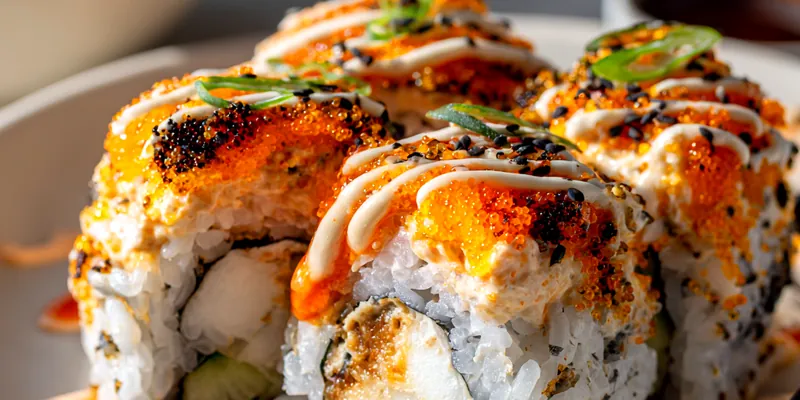
Volcano Rolls bring the excitement of your favorite sushi restaurant right to your kitchen! These show-stopping rolls feature a creamy, spicy seafood topping that's torched to golden perfection, creating the dramatic 'volcano' effect that gives this roll its name. With a perfect combination of fresh cucumber, creamy avocado, and the addictive spicy mayo mixture, every bite delivers restaurant-quality flavor and texture.

What Makes the Perfect Volcano Roll
The Volcano Roll stands out in the sushi world for its dramatic presentation and bold flavors. Unlike traditional raw fish sushi, this roll features cooked seafood mixed with a creamy, spicy mayo sauce that's torched or baked to create a beautiful golden-brown finish. The name comes from the volcanic appearance of the topping - it erupts over the sides of the roll, creating that signature look that makes this dish so Instagram-worthy and delicious.
What elevates this roll from good to exceptional is the balance of textures and temperatures. The cool, crisp cucumber and creamy avocado interior contrast perfectly with the warm, rich topping. The key is not overworking your rice, ensuring your seafood mixture has the right consistency, and achieving that perfect torch on top without overcooking. When done correctly, each bite delivers a harmonious blend of spicy, savory, and slightly sweet flavors with varied textures that keep you coming back for more.
💡 Professional Tip
The secret to a truly restaurant-quality Volcano Roll is in the torching technique. Hold your kitchen torch 6-8 inches away and move in circular motions to create even caramelization. Don't keep the flame in one spot too long or the mayo will separate. You want golden-brown spots with a slightly crispy exterior while keeping the interior creamy.
Frequently Asked Questions
You can prepare the components ahead! Roll the sushi up to 4 hours in advance and keep tightly wrapped in plastic wrap in the refrigerator. Prepare the spicy seafood topping and store separately. Add the topping and torch just before serving for the best texture and presentation. The rice will dry out if left too long, so same-day preparation is ideal.
Real crab meat (lump or claw) works beautifully and elevates the dish significantly. Cooked lobster is a luxurious alternative. For a budget-friendly option, use all shrimp. You can also make it vegetarian by using finely chopped baked tofu or hearts of palm mixed with the spicy mayo, though the flavor profile will be different.
No, you can achieve similar results by broiling! Place your assembled rolls 6 inches from the broiler and cook for 2-3 minutes, watching very carefully as they can burn quickly. The texture will be slightly different from torching but still delicious. Some people prefer to serve it without any heating - it's still tasty, just less dramatic in presentation.
Short-grain Japanese sushi rice is essential for authentic results. Brands like Nishiki, Koshihikari, or Calrose work perfectly. Medium-grain rice can work in a pinch, but avoid long-grain rice as it won't have the proper sticky texture needed to hold the roll together. Season your cooked rice with a mixture of rice vinegar, sugar, and salt while it's still warm for traditional sushi rice flavor.
The topping is ready when you see golden-brown caramelized spots across the surface and the mayo begins to bubble slightly. If broiling, it should take 2-3 minutes - watch through the oven window as it can go from perfect to burnt quickly. The seafood is already cooked, so you're just warming and caramelizing the mayo. The interior should still feel slightly cool to contrast with the warm topping.
Volcano Rolls pair beautifully with traditional sushi accompaniments: pickled ginger, wasabi, and soy sauce. For a complete meal, serve alongside miso soup, edamame, and a simple cucumber salad with rice vinegar dressing. Seaweed salad is another excellent choice. For drinks, green tea, sake, or a crisp Japanese beer complement the spicy, rich flavors perfectly.
Absolutely! Try adding cream cheese for a fusion twist, use spicy tuna instead of crab and shrimp, or add tempura shrimp inside for extra crunch. Some variations include mango for sweetness, jalapeños for more heat, or swap cucumber for crispy tempura flakes. You can also experiment with the spice level in the topping by adjusting the sriracha amount or adding chili flakes.
Store leftover Volcano Rolls in an airtight container in the refrigerator for up to 24 hours, though they're best enjoyed fresh. The rice will begin to harden in the fridge. To refresh, let them come to room temperature for 15 minutes before eating, or briefly torch the topping again. Don't freeze sushi rolls as the rice texture becomes unpleasantly grainy when thawed.
Recipe Troubleshooting Guide
Rice Won't Stick Together
Problem: Your sushi rice is falling apart and won't hold the roll shape.
Solution: You likely used the wrong type of rice or didn't cook it properly. Always use short-grain sushi rice and cook with the correct water ratio (usually 1:1.25 rice to water). Don't rinse after cooking! The starch is what makes it sticky. Make sure to season with rice vinegar mixture while warm and let it cool to room temperature before rolling. Keep a bowl of water nearby to wet your hands while working.
Topping Slides Off
Problem: The spicy seafood mixture keeps sliding off the rolls.
Solution: Your mayo mixture may be too thin. Make sure you're using Japanese mayonnaise (like Kewpie) which is thicker than American mayo. Pat your seafood dry before mixing to remove excess moisture. Chop your seafood finely so it binds better with the mayo. Mound the mixture generously on each piece and press gently to adhere. Refrigerate assembled rolls for 10 minutes before torching to help everything set.
Roll Falls Apart When Cutting
Problem: The roll unravels or squishes when you try to slice it.
Prevention: Use a very sharp knife and wet it with water before each cut - this prevents sticking and dragging. Use a gentle sawing motion rather than pressing down. Let your finished roll rest for 5 minutes before cutting to allow the rice to set. Make sure you rolled it tightly enough in the first place and sealed the edge properly with a dab of water.
Nori is Tough and Chewy
Problem: The seaweed wrapper is difficult to bite through.
Recovery: This happens when nori absorbs too much moisture and becomes rubbery. Work quickly when rolling and don't over-wet the seaweed. Use fresh nori that's been stored properly in an airtight container away from humidity. If your nori has become soft, toast it lightly over a gas flame or in a dry pan for a few seconds per side to crisp it up before using.
Topping Burns Before Browning
Problem: Some spots burn black while others are still pale when torching.
Prevention: Keep your torch moving in constant circular motions and maintain proper distance (6-8 inches). If broiling, ensure rolls are positioned evenly under the heat source. Pat any excess moisture off the topping before heating. Distribute the topping evenly across all pieces - thin spots will burn while thick spots stay pale. Lower heat and increase time rather than using high heat.
Flavor Balance Issues
Too Sweet: If your roll tastes too sweet, it's likely from the imitation crab which contains sugar. Balance it by adding more sriracha or a squeeze of fresh lemon juice to the topping mixture. You can also reduce the amount of sweet seasoning in your sushi rice.
Too Salty: Too salty usually comes from the soy sauce in the imitation crab or overseasoning the rice. Dilute your topping with a bit more plain mayo and unseasoned seafood. Serve with less soy sauce on the side. Make sure you're not over-salting the rice seasoning mixture.
Bland: If flavors seem flat, your spicy mayo needs more punch. Add more sriracha, a dash of sesame oil, or a splash of rice vinegar. Fresh garlic powder or ginger can add depth. Make sure your rice was properly seasoned. Don't forget to garnish generously with scallions and sesame seeds for additional flavor layers.
Choosing the Right Ingredients for Volcano Rolls
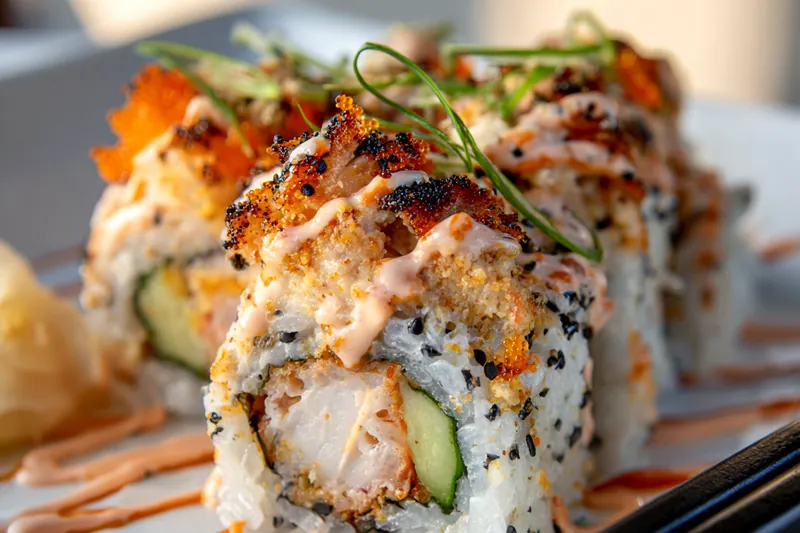
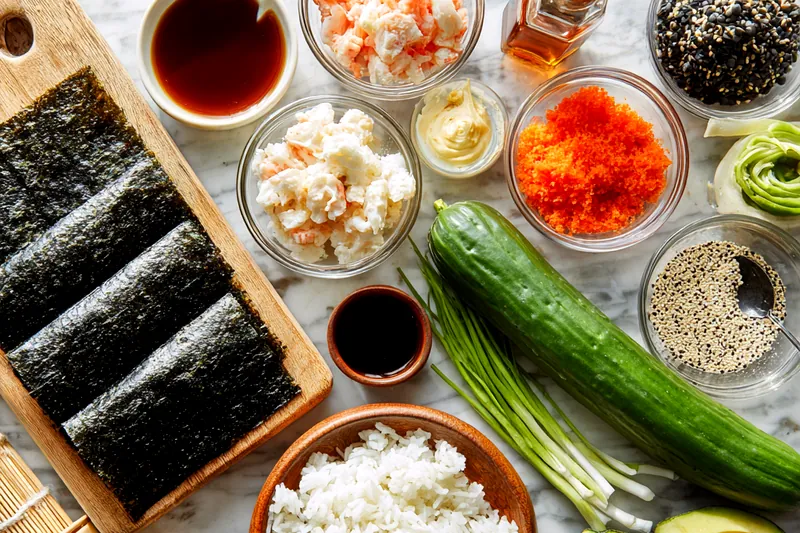
The foundation of any great sushi roll is the rice, and Volcano Rolls are no exception. Japanese short-grain sushi rice is non-negotiable - brands like Nishiki or Koshihikari provide that perfect sticky texture that holds your roll together while maintaining individual grain definition. When shopping, look for rice specifically labeled 'sushi rice' or 'sashimi rice.' The seasoning mixture of rice vinegar, sugar, and salt should be mixed into the rice while it's still warm so it absorbs properly, creating that signature slightly tangy, subtly sweet flavor that complements the spicy topping.
For the seafood component, quality matters significantly. If using real crab, go for fresh lump crab meat when possible, or high-quality canned crab as a second choice. When buying shrimp, look for wild-caught if available, and buy them already cooked to save time - the smaller salad shrimp work perfectly when chopped. For the spicy mayo, Japanese mayonnaise (Kewpie brand with the baby on the label) is the secret weapon - it's richer, tangier, and has better emulsification properties than American mayo, creating that signature creamy texture that doesn't separate when torched.
Essential Ingredient Notes
- Sushi Rice: Always rinse your rice 3-4 times until water runs clear to remove excess starch. Cook with proper water ratio and let steam off heat for 10 minutes. Season while warm and cool to room temperature before using. Never refrigerate sushi rice - it ruins the texture. Fresh rice made the same day is essential for proper rolling and best flavor.
- Japanese Mayonnaise: Kewpie mayo is worth seeking out at Asian markets or online - its unique flavor from rice vinegar and MSG creates authentic taste. It's also thicker and creamier than American mayo, which helps the topping stay put and creates better texture when torched. If substituting regular mayo, add a tiny splash of rice vinegar and a pinch of sugar to approximate the flavor.
- Fresh Seafood: For shrimp, buy pre-cooked and peeled to save time, but ensure they're fresh with no fishy smell. Pat completely dry before chopping to prevent watery topping. For imitation crab, check that it's fresh (usually found refrigerated, not frozen) and has good color. Real crab elevates this dish significantly - if splurging, buy fresh lump crab meat and pick through carefully for shells.
Mastering the Volcano Roll Technique
Rolling sushi takes practice, but Volcano Rolls are actually forgiving for beginners since they're topped rather than displaying a perfect spiral cross-section. The key is getting your rice layer even - use wet hands to prevent sticking and spread the rice gently without pressing too hard, which would make it dense. Leave that important 1-inch border at the top of the nori for sealing. When you flip the roll to make it inside-out (uramaki style), work confidently - the rice will stick to the mat initially but releases easily once you start rolling. Use firm, even pressure as you roll to create a tight cylinder without squishing the fillings out the sides.
The torching stage is where your Volcano Roll transforms from good to spectacular. A kitchen torch (the same type used for crème brûlée) is the ideal tool, giving you precise control over the caramelization. Hold it at the right distance - too close and you'll burn spots, too far and nothing will happen. Keep the flame moving in smooth circles, watching for the mayo to bubble and turn golden brown. The goal is creating that beautiful mottled effect with various shades of golden color. If you don't have a torch, the broiler works but requires vigilant watching - set a timer for 2 minutes and don't walk away, as it can go from perfect to burnt in seconds.
The Perfect Torch Technique
Professional torching creates the signature Volcano Roll appearance. Start with your rolls freshly topped and arranged on a heatproof platter. Hold your kitchen torch at a 45-degree angle, 6-8 inches from the surface. Light it and adjust to a medium flame - not too high or it'll burn instantly. Move in small circular motions across each piece, spending about 3-5 seconds per roll. Look for the mayo to start bubbling and turning golden with darker brown spots appearing. The sugars in the mayo will caramelize, creating complex flavor. Work systematically across your platter, giving each piece equal attention. Let rest 30 seconds before serving so the topping sets slightly - it'll be molten hot right off the torch! This technique takes practice, so don't worry if your first batch isn't Instagram-perfect.
Volcano Roll - Spicy Baked Sushi Roll Recipe
📋 Ingredients
Seafood Topping
- 1/2 cup Japanese mayonnaise (Kewpie preferred)The thicker Japanese mayo creates better texture when torched and doesn't separate
- 2 tablespoons sriracha sauceAdjust amount based on desired heat level - start with less if serving to spice-sensitive guests
- 1 tablespoon sesame oilAdds nutty depth to the topping mixture
- 2 tablespoons masago (fish roe)Provides signature pop and briny flavor - can substitute with tobiko
Sushi Roll Base
- 2 cups cooked sushi rice, cooled to room temperatureMust be short-grain Japanese rice, seasoned with rice vinegar mixture
- 4 sheets nori (seaweed)Buy roasted/toasted nori specifically for sushi - should be crisp and dark green
- 1/2 lb cooked shrimp, finely choppedPre-cooked salad shrimp work great - pat completely dry before using
- 4 oz imitation crab, shreddedOr use real lump crab meat for elevated flavor
- 1 English cucumber, julienned into thin stripsSeedless English cucumbers provide the best crunch and don't water out
- 1 ripe avocado, sliced thinShould be ripe but firm enough to slice cleanly - squeeze with lemon to prevent browning
- 2 green onions, thinly slicedUse both white and green parts for garnish and color contrast
- Black and white sesame seedsToast lightly in dry pan for enhanced nutty flavor if desired
Instructions
Prepare the Spicy Seafood Topping
In a medium mixing bowl, combine the finely chopped cooked shrimp and shredded imitation crab (or real crab meat). Pat the seafood dry with paper towels first to remove any excess moisture. Add the Japanese mayonnaise, sriracha sauce, and sesame oil. Using a fork or spatula, mix everything together until well combined and creamy - the mixture should be thick enough to mound on the rolls without running off. Taste and adjust the sriracha if you want more heat. Cover and refrigerate until ready to use, which allows the flavors to meld together.
Roll the Inside-Out Sushi
Place your bamboo sushi mat on a clean surface and put a sheet of nori on it, shiny side facing down. Wet your hands with water to prevent sticking, then take about 1/2 cup of seasoned sushi rice and spread it evenly over the entire sheet of nori, leaving a 1-inch border at the top edge. Sprinkle the rice with black and white sesame seeds. Cover the rice with a piece of plastic wrap and carefully flip the whole thing over so the rice is now facing down on the mat and the nori is on top. Place your cucumber strips and avocado slices in a horizontal line across the center of the nori. Using the mat, lift the edge closest to you and roll away from yourself, applying firm, even pressure to create a tight cylinder. Seal the edge with a dab of water. Repeat with remaining ingredients to make 4 rolls total.
Cut and Top the Rolls
Using a very sharp knife, wet the blade with water and slice each roll into 6-8 equal pieces, wetting the knife between each cut. Arrange the pieces cut-side up on a baking sheet lined with parchment paper or directly on a heatproof serving platter. Take your prepared spicy seafood mixture and generously top each piece, creating a mounded volcano effect that slightly overflows the edges. Use about 1-2 tablespoons per piece. Sprinkle the masago evenly over all the topped pieces, then add another light sprinkle of sesame seeds for visual appeal.
Torch and Garnish for Serving
If using a kitchen torch, hold it 6-8 inches away from the rolls at a 45-degree angle. Light the torch and move it in continuous circular motions over each piece, watching carefully as the mayo begins to bubble and turn golden brown with beautiful caramelized spots - this takes about 3-5 seconds per piece. If broiling instead, place the baking sheet 6 inches below the broiler and cook for 2-3 minutes, rotating halfway through and watching constantly to prevent burning. Remove from heat and immediately garnish with freshly sliced green onions. Drizzle additional spicy mayo and sriracha artistically over the top if desired. Let rest for 30 seconds to allow the topping to set slightly, then serve immediately while still warm with soy sauce, pickled ginger, and wasabi on the side.
Recipe Notes & Tips
Storage
Store leftover Volcano Rolls in an airtight container in the refrigerator for up to 24 hours maximum. The rice will harden when cold, so allow rolls to come to room temperature for 15 minutes before serving, or briefly re-torch the topping to warm. For best quality, consume within 4-6 hours of making. Do not freeze as sushi rice becomes grainy and unpleasant when thawed. If preparing ahead, roll the sushi and keep wrapped, but don't add topping or torch until just before serving.
Serving Suggestions
Serve Volcano Rolls as an impressive appetizer for 4-6 people, or as a main course for 2-3. Pair with traditional Japanese accompaniments: pickled ginger for palate cleansing, wasabi for those who want extra heat, and quality soy sauce (or low-sodium tamari) for dipping. Complete the meal with miso soup, edamame, seaweed salad, or cucumber sunomono. For beverages, try hot or cold green tea, sake (warm or chilled), Japanese beer, or even a crisp white wine like Sauvignon Blanc. Present on a beautiful platter garnished with fresh herbs for stunning presentation.
Variations
Make it spicier by adding diced jalapeños inside or mixing chili oil into the topping. For a tempura version, add crispy tempura shrimp or soft-shell crab inside. Try a Philadelphia variation by including cream cheese with the cucumber and avocado. Make it vegetarian using baked marinated tofu or grilled vegetables instead of seafood. For a tropical twist, add thin mango slices inside. Experiment with different fish roe colors (black tobiko, red tobiko) for visual variety. You can also make a deconstructed 'volcano bowl' by serving all components over sushi rice for easier preparation.