Ultimate Loaded Baked Potato Casserole
This Ultimate Loaded Baked Potato Casserole takes everything you love about loaded baked potatoes and transforms it into an easy, crowd-pleasing side dish. Creamy mashed potatoes are mixed with sharp cheddar, mozzarella, crispy bacon, and fresh scallions, then topped with a golden breadcrumb crust that adds the perfect crunch. It's comfort food at its finest and simple enough for weeknight dinners yet impressive enough for holiday gatherings.

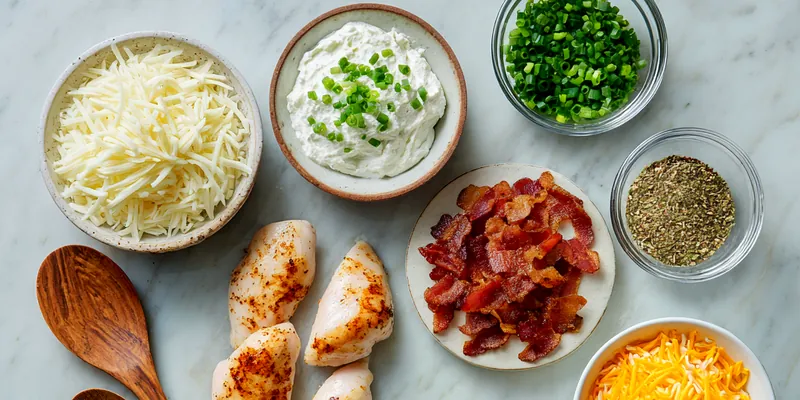
Why This Loaded Potato Casserole Works
The secret to an exceptional loaded potato casserole lies in the texture contrast. While many recipes simply layer ingredients, this version incorporates the cheese and bacon directly into the creamy potato base, ensuring every bite is packed with flavor. The mashed potato foundation provides a smooth, velvety canvas that holds all the mix-ins beautifully. By using a combination of sharp cheddar for bold flavor and mozzarella for extra creaminess and that perfect cheese pull, you get the best of both worlds.
The crispy panko topping is what truly sets this casserole apart from standard versions. Mixed with butter and a touch of paprika, the breadcrumbs create a golden crust that provides textural contrast to the creamy interior. This technique, borrowed from French gratin dishes, adds a professional touch while keeping the preparation simple. The result is a casserole that looks as impressive as it tastes, making it perfect for both casual family dinners and special occasions.
💡 Professional Tip
For the fluffiest mashed potatoes, make sure to drain them thoroughly and let them steam dry in the pot for 2-3 minutes before mashing. Excess moisture will make your casserole watery instead of creamy.
Frequently Asked Questions
Absolutely! Assemble the casserole completely, cover tightly with plastic wrap and then foil, and refrigerate for up to 24 hours. When ready to bake, remove from refrigerator 30 minutes before baking to take the chill off, then add 5-10 minutes to the baking time. You can also freeze the unbaked casserole for up to 3 months; thaw overnight in the refrigerator before baking.
Yes! This is a perfect way to use leftover mashed potatoes. You'll need about 8 cups of prepared mashed potatoes. If your leftovers are already seasoned and contain dairy, reduce the added milk, butter, and sour cream accordingly. Taste and adjust seasonings as needed, then proceed with adding the cheese, bacon, and scallions.
Russet potatoes are ideal for this recipe because of their high starch content, which creates the fluffiest, creamiest texture. Yukon Gold potatoes work as a second choice and provide a slightly buttery flavor and golden color. Avoid waxy potatoes like red potatoes, as they won't mash as smoothly and can result in a gluey texture.
Yes! Turkey bacon works well as a lighter alternative. For a vegetarian version, try using smoked paprika for depth and add sautéed mushrooms or crispy fried shallots for that savory, umami element that bacon typically provides. You could also use vegetarian bacon bits, though check the ingredients for quality.
The casserole is done when the top is golden brown, the edges are bubbly, and the center reaches 165°F on an instant-read thermometer. The breadcrumb topping should be crispy and deeply golden. If the top is browning too quickly but the center isn't hot enough, loosely tent with foil and continue baking until heated through.
This casserole pairs beautifully with roasted or grilled meats like steak, pork chops, or roasted chicken. For a complete meal, serve alongside a fresh green salad, roasted vegetables like Brussels sprouts or green beans, or steamed broccoli. It's also substantial enough to serve as a main course with just a side salad for a vegetarian meal (using bacon substitutes).
Definitely! This recipe is very versatile. Popular additions include diced ham, caramelized onions, roasted garlic, steamed broccoli florets, sautéed mushrooms, or diced jalapeños for heat. Just be mindful not to add too many wet ingredients, which can make the casserole runny. Sauté vegetables first to remove excess moisture.
Store leftover casserole in an airtight container in the refrigerator for up to 4 days. Reheat individual portions in the microwave for 2-3 minutes, or reheat the entire dish covered with foil at 350°F for 20-25 minutes until warmed through. For best results, add a tablespoon of milk or cream before reheating to restore creaminess.
Recipe Troubleshooting Guide
Casserole Is Too Watery
Problem: The casserole has excess liquid pooling in the dish, making it soupy instead of creamy and cohesive.
Solution: This usually happens when potatoes aren't drained well enough or if too much milk was added. Make sure to drain potatoes thoroughly and let them steam dry for a few minutes before mashing. If your mixture seems too thin before baking, add 1/4 cup more shredded cheese or 2-3 tablespoons of instant potato flakes to absorb excess moisture.
Dry or Stiff Texture
Problem: The mashed potato base is too thick and stiff rather than creamy and smooth.
Solution: Add more dairy gradually - warm milk works best as it incorporates smoothly without cooling down the potatoes. Add 2 tablespoons at a time, mixing well between additions, until you reach a creamy but not runny consistency. Remember that the mixture will firm up slightly as it bakes.
Topping Burns Before Center Heats
Problem: The breadcrumb topping is getting too dark while the center of the casserole is still cold.
Prevention: This typically happens with make-ahead casseroles that go from cold to oven. Always let refrigerated casseroles sit at room temperature for 30 minutes before baking. If browning too quickly, tent loosely with aluminum foil and reduce oven temperature to 350°F, extending baking time by 10-15 minutes.
Cheese Doesn't Melt Properly
Problem: The cheese on top remains clumpy or separates into an oily layer instead of melting smoothly.
Recovery: Use freshly shredded cheese rather than pre-shredded, which contains anti-caking agents that prevent smooth melting. Also ensure your potato base is hot when you add the cheese initially - this helps it incorporate smoothly. For the topping, make sure the oven is fully preheated before baking.
Gummy or Gluey Potatoes
Problem: The mashed potatoes have a sticky, gluey texture rather than being light and fluffy.
Prevention: This happens from over-mixing the potatoes, which develops too much starch. Use a potato masher or ricer rather than an electric mixer, and mix just until smooth. If this happens, you can't fully fix it, but folding in an extra 1/4 cup of sour cream can help improve the texture somewhat.
Flavor Balance Issues
Too Sweet: If accidentally too sweet, add a pinch more salt and a squeeze of lemon juice to balance. Increase the sharp cheddar cheese proportion for more savory notes.
Too Salty: If too salty (often from bacon or cheese), add 1-2 more boiled, mashed potatoes with a bit of milk and sour cream to dilute. Balance with a small amount of sugar or honey.
Bland: Boost flavor with additional salt, garlic powder, or a tablespoon of butter. Fresh cracked black pepper, extra bacon, and a handful more cheese on top before baking also enhance taste significantly.

Selecting the Best Ingredients
The quality of your ingredients directly impacts the final dish. Choose large russet potatoes that are firm, smooth-skinned, and free of green spots or sprouts. For the cheese, invest in a good quality sharp cheddar - the sharper the better, as it provides more flavor depth. Avoid pre-shredded cheese when possible, as it contains cellulose to prevent clumping, which can affect melting quality and create a grainy texture in your casserole.
For bacon, thick-cut varieties provide better texture and a more pronounced smoky flavor. Cook it until crispy but not burnt - you want pieces that hold their shape and provide crunch throughout the casserole. Fresh scallions should have bright green tops and firm white bases; they add a sharp, fresh note that cuts through the richness. Full-fat sour cream creates the best texture, though light versions work in a pinch. The panko breadcrumbs create a superior crust compared to regular breadcrumbs due to their larger, airier structure.
Essential Ingredient Notes
- Russet Potatoes: Select large, uniformly sized potatoes for even cooking. Store in a cool, dark place but not in the refrigerator, which converts starches to sugars. Peel just before cooking to prevent browning, and cut into evenly sized chunks for consistent cooking time.
- Sharp Cheddar Cheese: Buy a block and shred it yourself for the best melting quality. Sharp or extra-sharp cheddar provides more complex flavor than mild. Let cheese come to room temperature before adding to hot potatoes for smoother incorporation. Orange and white cheddar can be mixed for visual appeal.
- Bacon: Thick-cut bacon provides better texture and flavor. Cook low and slow for evenly crispy results. Save the bacon fat for other cooking uses. Let cooked bacon cool completely before crumbling to get clean pieces rather than crumbs. Pat with paper towels to remove excess grease.

Mastering the Casserole Technique
The key to perfect mashed potatoes for casserole is achieving the right consistency - creamy enough to be luxurious but thick enough to hold its shape when baked. Start by boiling potatoes in well-salted water until completely tender when pierced with a fork. The salted water seasons the potatoes from within, creating better overall flavor. After draining, return the potatoes to the hot pot for a minute or two to evaporate remaining moisture, which prevents a watery casserole.
When assembling, spread the potato mixture evenly in your baking dish, ensuring consistent thickness throughout. This promotes even heating and prevents some portions from drying out while others remain undercooked. The breadcrumb topping should be applied in an even layer - too thick and it won't crisp properly, too thin and it won't provide enough crunch. Bake in the center of the oven where heat circulates best, and resist the urge to open the oven door frequently, as temperature fluctuations can affect the texture.
The Perfect Mash
Use a potato masher or ricer rather than electric mixers, which overwork the potatoes and create a gluey texture by developing too much starch. Mash while potatoes are still hot, as cold potatoes become gummy. Add dairy ingredients gradually - they should be warm or room temperature to prevent cooling the potatoes. Fold in cheese, bacon, and scallions at the end with a gentle hand to distribute evenly without overworking the potatoes.
Ultimate Loaded Baked Potato Casserole
📋 Ingredients
For the Casserole Base
- 1 cup sour creamFull-fat sour cream creates the creamiest texture
- 1/2 cup whole milkWarm slightly for easier mixing
- 4 tablespoons unsalted butterShould be softened for easy incorporation
For the Topping
- 5 pounds russet potatoes, peeled and cubedCut into 1-inch cubes for even cooking
- 2 cups shredded sharp cheddar cheese, dividedShred from a block for best melting
- 1 cup shredded mozzarella cheeseAdds extra creaminess and stretch
- 8 slices bacon, cooked and crumbledThick-cut bacon provides best texture
- 4 green onions, slicedUse both white and green parts
- 3 cloves garlic, mincedFresh garlic adds aromatic depth
- 1 cup panko breadcrumbsCreates a crispier topping than regular breadcrumbs
- 2 tablespoons melted butterFor coating the breadcrumbs
- 1 teaspoon saltAdjust to taste based on bacon saltiness
- 1/2 teaspoon black pepperFreshly ground provides best flavor
- 1/4 teaspoon paprikaAdds color and subtle warmth to topping
Instructions
Prepare Potatoes
Preheat oven to 375°F (190°C) and grease a 9x13 inch baking dish. Bring a large pot of salted water to boil. Add cubed potatoes and cook for 15-20 minutes until fork-tender. Drain thoroughly and return potatoes to the hot pot. Let sit for 2-3 minutes to allow excess moisture to evaporate.
Make Creamy Base
Mash the potatoes until smooth using a potato masher. Add butter, sour cream, and milk, mixing until creamy and well combined. Fold in 1.5 cups of the cheddar cheese, all of the mozzarella, half of the crumbled bacon, half of the sliced scallions, minced garlic, salt, and black pepper. Mix gently until everything is evenly distributed.
Assemble Casserole
Transfer the potato mixture to the prepared baking dish, spreading it evenly with a spatula. Sprinkle the remaining 1/2 cup cheddar cheese over the top, followed by the remaining crumbled bacon, distributing both evenly across the surface.
Add Topping and Bake
In a small bowl, combine panko breadcrumbs with melted butter and paprika, tossing until breadcrumbs are evenly coated. Sprinkle the breadcrumb mixture evenly over the casserole. Bake for 25-30 minutes until the top is golden brown and the edges are bubbling. Remove from oven and garnish with remaining sliced scallions. Let rest for 5 minutes before serving.
Recipe Notes & Tips
Storage
Store leftover casserole covered in the refrigerator for up to 4 days. Reheat individual portions in the microwave for 2-3 minutes, or reheat the entire dish covered with foil at 350°F for 20-25 minutes. Can be frozen (unbaked) for up to 3 months; thaw overnight before baking.
Serving Suggestions
Serve as a side dish with grilled steak, roasted chicken, or pork chops. For a complete meal, pair with a fresh green salad and roasted vegetables. Top individual servings with extra sour cream, additional scallions, or a sprinkle of hot sauce for extra flavor.
Variations
Make it vegetarian by using vegetarian bacon bits or omitting bacon entirely and adding sautéed mushrooms. For a spicy version, add diced jalapeños or a dash of cayenne pepper. Swap mozzarella for pepper jack cheese for extra kick. Add steamed broccoli florets for a one-dish meal.