Ultimate Leftover Casserole - Transform Yesterday's Meals Into Tonight's Dinner
This Ultimate Leftover Casserole is the perfect solution for transforming yesterday's meals into tonight's family favorite. With its creamy base, versatile ingredients, and crispy golden top, this comfort food classic saves time, money, and reduces food waste while delivering incredible flavor.

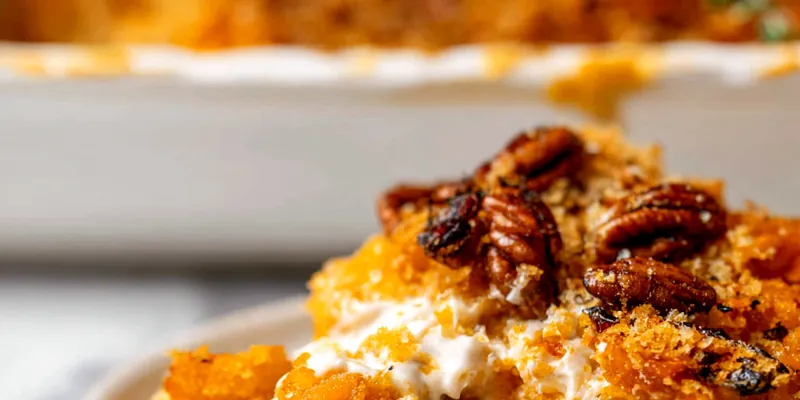
The Art of Leftover Transformation
Creating a successful leftover casserole is about understanding flavor harmony and texture balance. The key lies in combining proteins, starches, vegetables, and a binding sauce that brings everything together. This recipe provides a foolproof framework that works with virtually any leftovers you have on hand, from last night's roast chicken to that extra rice from takeout.
The beauty of this casserole lies in its adaptability. Whether you're using holiday turkey, weeknight chicken, or even vegetarian proteins like beans or tofu, the basic structure remains the same. The cream-based sauce acts as a flavor unifier, while the cheese and crispy topping add that irresistible comfort food appeal that makes everyone forget they're eating leftovers.
💡 Professional Tip
For the best texture, make sure your protein pieces are bite-sized and your vegetables are pre-cooked to tender. This ensures even heating and prevents any ingredient from being over or undercooked.
Frequently Asked Questions
Yes! Assemble the casserole completely, cover tightly with plastic wrap and aluminum foil, and refrigerate for up to 24 hours. When ready to bake, remove from fridge 30 minutes before cooking and add 10-15 minutes to the baking time.
Cooked chicken, turkey, ham, ground beef, and even pulled pork work wonderfully. For vegetarian options, try beans, lentils, or firm tofu. Seafood like tuna or salmon also works but should be added in the last 10 minutes of baking to prevent overcooking.
Absolutely! Just make sure to pre-cook fresh vegetables until tender-crisp before adding them to the casserole. Root vegetables should be diced small and par-boiled, while softer vegetables like zucchini just need a quick sauté.
Make a homemade white sauce with 3 tablespoons butter, 3 tablespoons flour, and 1.5 cups milk seasoned with salt and pepper. Or use 1.5 cups heavy cream mixed with 1 tablespoon cornstarch for a gluten-free option.
The casserole is ready when the edges are bubbling vigorously, the internal temperature reaches 165°F (74°C), and the top is golden brown. You should see steam rising when you insert a knife in the center.
A simple green salad with vinaigrette cuts through the richness perfectly. Garlic bread, dinner rolls, or crusty bread are great for soaking up the sauce. Roasted vegetables or a light soup also complement the casserole well.
Yes! Use ramekins or small baking dishes for individual servings. Reduce cooking time to 15-20 minutes. This is perfect for portion control or when family members have different dietary needs.
Store cooled casserole in an airtight container in the refrigerator for up to 3 days. For freezing, wrap individual portions in plastic wrap and aluminum foil, freeze for up to 2 months. Thaw overnight in the fridge before reheating.
Recipe Troubleshooting Guide
Watery Casserole
Problem: The casserole is too liquidy and won't set properly
Solution: Drain vegetables thoroughly before adding, especially frozen ones. Add 2 tablespoons of flour or cornstarch to thicken the sauce. If already baked, return to oven uncovered for 10 minutes to evaporate excess moisture.
Dry Casserole
Problem: The casserole turned out dry and lacks creaminess
Solution: Add an extra 1/2 cup of milk or cream before baking next time. For already baked casserole, drizzle warm cream or broth over portions when serving.
Uneven Cooking
Problem: Some parts are hot while others are cold
Prevention: Cut ingredients into uniform sizes and mix thoroughly before baking. Cover with foil if edges cook too fast. Let casserole sit at room temperature 20 minutes before baking.
Soggy Topping
Problem: The breadcrumb topping isn't crispy
Recovery: Make sure butter is well mixed with breadcrumbs. Use panko for extra crispiness. Broil for last 2-3 minutes watching carefully to prevent burning.
Bland Flavor
Problem: The casserole lacks flavor depth
Prevention: Season each component separately before combining. Add 1 tablespoon Worcestershire sauce, 1 teaspoon mustard powder, or 1/2 cup shredded parmesan for umami boost.
Flavor Balance Issues
Too Sweet: Add a splash of vinegar or lemon juice to cut sweetness
Too Salty: Add more pasta/rice and a dollop of sour cream to dilute saltiness
Bland: Boost with garlic powder, onion powder, and a pinch of cayenne pepper
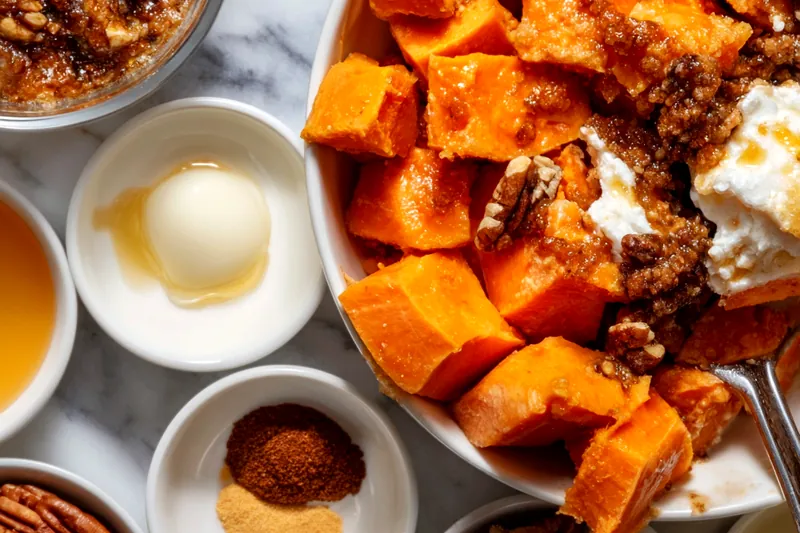
Choosing and Preparing Your Ingredients
The success of your leftover casserole depends on selecting complementary ingredients that work well together. Proteins should be fully cooked and cut into bite-sized pieces for even distribution. Vegetables can be a mix of whatever you have - frozen mixed vegetables are convenient, but leftover roasted vegetables add incredible flavor. The key is ensuring everything is roughly the same size for uniform cooking.
Your binding sauce is crucial for bringing moisture and cohesion to the dish. While canned cream soups are convenient, don't be afraid to enhance them with sour cream, cream cheese, or Greek yogurt for extra richness. The cheese selection matters too - a blend of sharp cheddar for flavor and mozzarella for meltability creates the perfect topping that everyone will fight over.
Essential Ingredient Notes
- Protein Selection: Use fully cooked proteins cut into 1/2 inch pieces. Mix different proteins for complexity - chicken and ham together is delicious. For best results, bring proteins to room temperature before mixing.
- Cheese Blend: Combine sharp cheddar for flavor with mozzarella or Monterey Jack for superior melting. Pre-shredded saves time but freshly grated melts smoother. Reserve some for the topping layer.
- Vegetable Mix: Frozen vegetables work perfectly - no need to thaw, just add directly. For fresh vegetables, partially cook first. Aim for a colorful mix for visual appeal and nutritional variety.
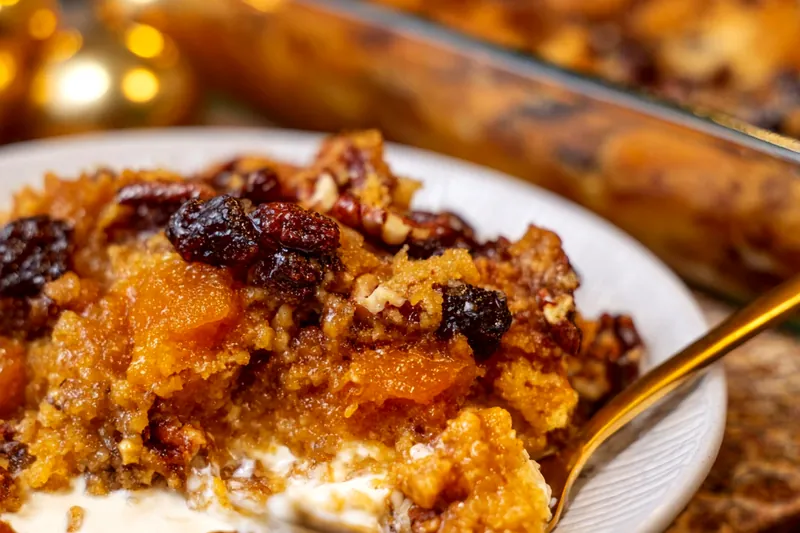
Mastering the Casserole Technique
The secret to a perfect casserole lies in the layering and the balance of moisture. Start by ensuring your base mixture isn't too wet or too dry - it should coat a spoon but not be soupy. When transferring to your baking dish, spread evenly to ensure uniform cooking. The cheese layer acts as a protective barrier that keeps moisture in while creating that irresistible golden crust.
Temperature control is essential for achieving the perfect texture. Baking at 350°F allows the casserole to heat through evenly without drying out. The breadcrumb topping, enriched with butter, creates a textural contrast that elevates the entire dish. If you notice the top browning too quickly, a loose foil tent will protect it while the interior continues cooking. The final rest period is crucial - it allows the casserole to set and makes serving much easier.
The Perfect Crispy Topping
Mix breadcrumbs with melted butter until evenly coated but not soggy. Add a pinch of garlic powder and dried herbs to the mixture for extra flavor. Spread evenly over the cheese layer, ensuring complete coverage. For extra crispiness, finish under the broiler for 2-3 minutes, watching carefully to prevent burning.
Ultimate Leftover Casserole - Transform Yesterday's Meals Into Tonight's Dinner
📋 Ingredients
Base Ingredients
- 1 can (10.5 oz) cream of mushroom soupCan substitute with cream of chicken or celery
- 1 cup sour creamGreek yogurt works as a healthier alternative
- 1/2 cup milkUse whole milk for richest results
Toppings & Garnish
- 2 cups cooked protein, dicedChicken, turkey, ham, or beef work best
- 3 cups cooked pasta or riceSlightly undercooked is ideal as it will continue cooking
- 2 cups mixed vegetablesFrozen or leftover roasted vegetables both work
- 2 cups shredded cheese blendHalf mixed in, half for topping
Instructions
Prepare Your Workspace
Preheat oven to 350°F (175°C). Grease a 9x13 inch baking dish with butter, ensuring corners are well-coated. Gather all ingredients and bring refrigerated items to room temperature for even mixing.
Create the Base Mixture
In a large mixing bowl, combine protein, pasta or rice, and vegetables. Add cream soup, sour cream, milk, and 1 cup of cheese. Season with garlic powder, onion powder, thyme, salt, and pepper. Mix thoroughly until all ingredients are evenly coated with the creamy sauce.
Layer and Top
Transfer mixture to prepared baking dish, spreading evenly to corners. Sprinkle remaining cheese over top. Mix breadcrumbs with melted butter until evenly moistened, then distribute over cheese layer for complete coverage.
Bake to Perfection
Bake for 25-30 minutes until edges bubble vigorously and top is golden brown. If top browns too quickly, tent with foil. For extra crispy top, broil for final 2-3 minutes, watching carefully.
Rest and Garnish
Remove from oven and let rest for 5 minutes to set. This prevents the casserole from falling apart when served. Garnish with fresh chopped parsley for color and freshness. Serve hot with a side salad.
Recipe Notes & Tips
Storage
Refrigerate cooled leftovers in an airtight container for up to 3 days. For freezing, wrap individual portions tightly in plastic wrap and foil, freeze up to 2 months. Thaw overnight in refrigerator before reheating in 350°F oven until heated through.
Serving Suggestions
Serve with a crisp green salad dressed with vinaigrette to balance the richness. Garlic bread or dinner rolls are perfect for soaking up the creamy sauce. A light white wine or iced tea complements the comfort food flavors beautifully.
Variations
Try Mexican-style with black beans, corn, salsa, and pepper jack cheese. Go Italian with marinara sauce, Italian sausage, and mozzarella. Create an Asian fusion with teriyaki sauce, water chestnuts, and crispy chow mein noodles on top.