Twisted Donuts Recipe - Fluffy Homemade Sweet Treats
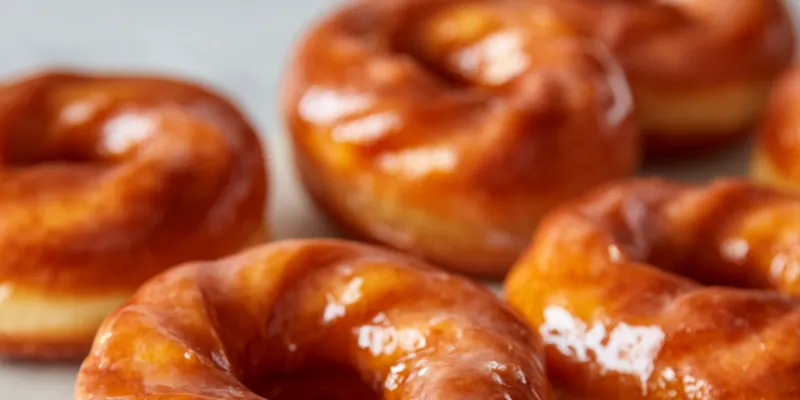
These twisted donuts are a delightful treat that combines the fluffy texture of classic yeast donuts with a fun, twisted shape. Golden and crispy on the outside, soft and airy on the inside, they're dusted with sweet powdered sugar for the perfect finish. Whether you're making them for a special breakfast or weekend treat, these homemade twisted donuts will impress everyone at your table.

The Secret to Perfect Twisted Donuts
Creating the perfect twisted donut starts with understanding the dough. Unlike cake donuts, these are yeast-raised donuts, which means they require proper proofing time to develop that signature light, airy texture. The key is activating your yeast in warm milk that's precisely 110°F - too hot and you'll kill the yeast, too cold and it won't activate properly. When your yeast mixture becomes foamy after 5 minutes, you know you're on the right track. This foaming action indicates that the yeast is alive and ready to create all those beautiful air pockets that make your donuts fluffy.
The twisting technique is where these donuts get their distinctive appearance and texture. When you twist two strands of dough together, you create layers that fry up with varying degrees of crispness - some parts golden and crunchy, others soft and pillowy. The trick is to roll your dough ropes evenly so they're about 10 inches long and uniform in thickness. This ensures even cooking and prevents one side from being overcooked while the other is underdone. Don't worry if your first few twists aren't perfect - they'll still taste amazing, and you'll improve with practice.
💡 Professional Tip
Always use a thermometer to monitor your oil temperature. Maintaining 350°F is crucial - if it's too hot, your donuts will brown too quickly on the outside while remaining raw inside. If it's too cool, they'll absorb excess oil and become greasy. Fry only 2-3 donuts at a time to prevent temperature drops.
Frequently Asked Questions
Yes! You can prepare the dough the night before and refrigerate it after the first rise. Let it come to room temperature for 30 minutes before shaping and frying. You can also shape the twisted donuts and refrigerate them overnight, then fry them fresh in the morning. For best results, always fry donuts just before serving as they're at their peak texture when fresh and warm.
Absolutely! If using instant yeast, you can skip the proofing step and add it directly to the flour mixture. Use the same amount (2 1/4 teaspoons) and proceed with adding the warm milk and other wet ingredients. Instant yeast is more potent and works faster, so your rise time might be slightly shorter - check after 45 minutes instead of a full hour.
A deep, heavy-bottomed pot or Dutch oven works perfectly. You'll need at least 3 inches of oil depth to properly fry the donuts. Use a clip-on thermometer to monitor the temperature, and maintain steady heat by adjusting your burner as needed. Make sure your pot is large enough that the oil only comes halfway up the sides to prevent dangerous overflow when adding donuts.
While you can bake them at 375°F for 12-15 minutes, the texture will be more like sweet bread rolls than traditional donuts. They won't have that crispy exterior and super-fluffy interior that frying creates. If you prefer baked, brush them with melted butter after baking and roll in cinnamon sugar for added flavor and moisture.
Twisted donuts are perfectly done when they're deep golden brown on both sides, which typically takes 2-3 minutes per side at 350°F. They should float to the surface almost immediately and puff up as they cook. If you insert a toothpick into the thickest part, it should come out clean with no raw dough. The donuts should feel light when you lift them with a slotted spoon.
Twisted donuts pair beautifully with hot coffee, cappuccino, or café au lait for a classic breakfast combination. For a more indulgent treat, serve them with hot chocolate or warm vanilla custard for dipping. Fresh fruit like strawberries or raspberries provide a nice tart contrast to the sweet donuts. They're also delicious alongside vanilla ice cream for a dessert presentation.
Definitely! Try adding 1 teaspoon of cinnamon or cardamom to the dough for warm spice notes. After frying, you can coat them in cinnamon sugar, drizzle with chocolate or caramel sauce, or dip them in vanilla or maple glaze. For a fun variation, inject them with jam or custard using a piping bag. Orange or lemon zest in the dough adds a bright, citrusy flavor that's especially nice in spring and summer.
Store cooled twisted donuts in an airtight container at room temperature for up to 2 days. They're best eaten the day they're made, but you can refresh day-old donuts by warming them in a 300°F oven for 3-5 minutes. Don't refrigerate them as this will make them stale faster. For longer storage, freeze unfrosted donuts in a freezer bag for up to 1 month. Thaw at room temperature and warm before serving.
Recipe Troubleshooting Guide
Donuts Are Too Dense
Problem: Your twisted donuts turned out heavy and compact instead of light and fluffy, more like fried bread than airy donuts.
Solution: This usually means the dough didn't rise enough or the yeast wasn't properly activated. Make sure your milk is the right temperature (110°F) and that your yeast foams up before proceeding. Give the dough the full rising time in a warm, draft-free spot. Also, don't add too much flour when kneading - the dough should be soft and slightly sticky. Over-kneading can also create density, so knead just until smooth.
Donuts Are Greasy
Problem: The donuts absorbed too much oil during frying and have an unpleasant greasy texture and heavy mouthfeel.
Solution: This happens when the oil temperature is too low. Always maintain 350°F throughout frying. Use a thermometer and adjust your heat between batches. Don't overcrowd the pot, as adding too many donuts at once drops the temperature. Let the oil return to 350°F between batches. Also, make sure to drain donuts thoroughly on paper towels and stand them upright to let excess oil drip off.
Donuts Are Raw Inside
Problem: The outside is perfectly golden brown, but when you bite in, the center is still doughy and undercooked.
Prevention: Your oil is too hot, causing the exterior to brown too quickly before the inside cooks through. Reduce heat and maintain a steady 350°F. Also, make sure your dough ropes aren't too thick - they should be about 3/4 inch in diameter. Give the shaped donuts the full 15-minute rest before frying, as this second proof helps ensure even cooking. Fry a test donut first to check timing.
Twists Are Unraveling
Problem: Your carefully twisted donuts are coming apart during frying, losing their beautiful shape and becoming messy.
Recovery: Make sure to pinch the ends securely after twisting. The dough should be at room temperature and slightly relaxed - if it's too cold or hasn't rested, it will spring back and unravel. You can also twist the dough a bit tighter than you think necessary, as it will relax slightly during the final rest. Some bakers find it helpful to twist in opposite directions for a tighter hold.
Donuts Are Tough
Problem: The donuts have a chewy, tough texture instead of the tender, melt-in-your-mouth quality you're looking for.
Prevention: This is usually from over-kneading the dough or using too much flour. Knead just until the dough is smooth and elastic, about 5-7 minutes by hand. When adding flour, stop as soon as the dough is manageable - it should still be slightly sticky. Also, don't over-fry them. Cooking too long at too low a temperature can make them tough and dry.
Flavor Balance Issues
Too Sweet: If your donuts taste too sweet, reduce the sugar in the dough to 3 tablespoons and use less powdered sugar for dusting. You can also balance sweetness by adding a pinch more salt or serving with unsweetened coffee.
Too Salty: Too much salt can overpower the delicate sweetness. If this happens, increase the vanilla extract to 1 1/2 teaspoons and add an extra tablespoon of sugar to the dough to restore balance.
Bland: If your donuts lack flavor, add 1/2 teaspoon of vanilla extract to the dough, or try adding 1/2 teaspoon of cinnamon or nutmeg. Make sure to dust them generously with powdered sugar or cinnamon sugar while still warm for maximum flavor impact.
Choosing the Right Ingredients for Success
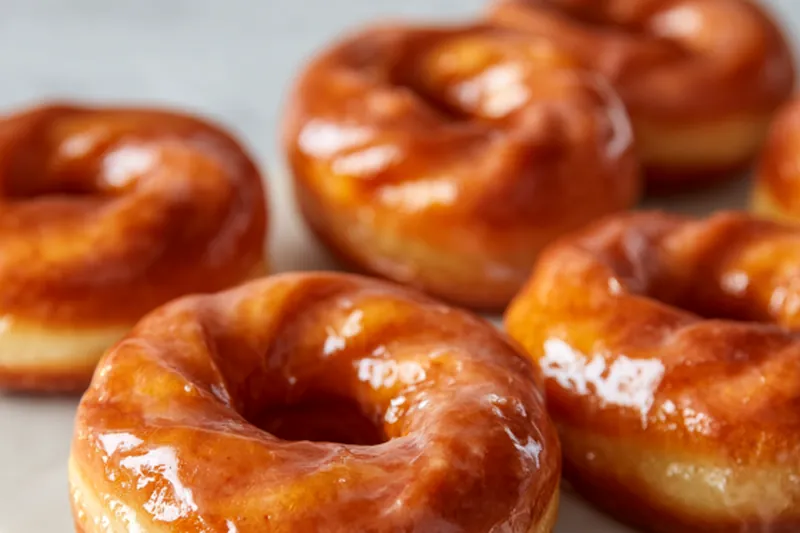
The quality of your ingredients directly impacts the final result of these twisted donuts. Start with unbleached all-purpose flour with a protein content of 10-12% - this creates the perfect balance of structure and tenderness. Your yeast should be fresh and within its expiration date; old yeast won't give you the rise you need for fluffy donuts. When it comes to milk, whole milk creates the richest, most tender donuts, but 2% milk works well too. The fat content in the milk contributes to both flavor and texture, creating that melt-in-your-mouth quality we're after.
Don't skimp on the butter and eggs - these are what make your donuts luxuriously rich and tender. Use unsalted butter so you can control the salt level precisely. Room temperature eggs incorporate more easily into the dough and create better structure. For the frying oil, choose a neutral oil with a high smoke point like vegetable, canola, or peanut oil. Avoid olive oil or oils with strong flavors that will compete with the delicate sweetness of the donuts. Quality powdered sugar for dusting should be fine and lump-free for the best coating.
Essential Ingredient Notes
- Active Dry Yeast: Always check the expiration date on your yeast packet. Store unused yeast in the refrigerator or freezer to extend its life. If you're unsure about your yeast's viability, proof it first - it should foam up within 5 minutes in warm milk. Dead yeast won't create the rise you need for light, fluffy donuts.
- All-Purpose Flour: Measure flour by spooning it into the measuring cup and leveling it off, rather than scooping directly from the bag. Scooping packs the flour and can result in too much, making your donuts dense. If your dough seems too sticky, resist adding too much extra flour - a slightly sticky dough creates lighter donuts.
- Vegetable Oil for Frying: Use fresh oil for the best flavor and clearest color. You'll need about 6 cups for proper depth in a standard pot. The oil can be strained through cheesecloth and reused 2-3 times if stored properly in the refrigerator. Discard oil that smells off, has darkened significantly, or foams excessively when heated.
Mastering the Frying Technique
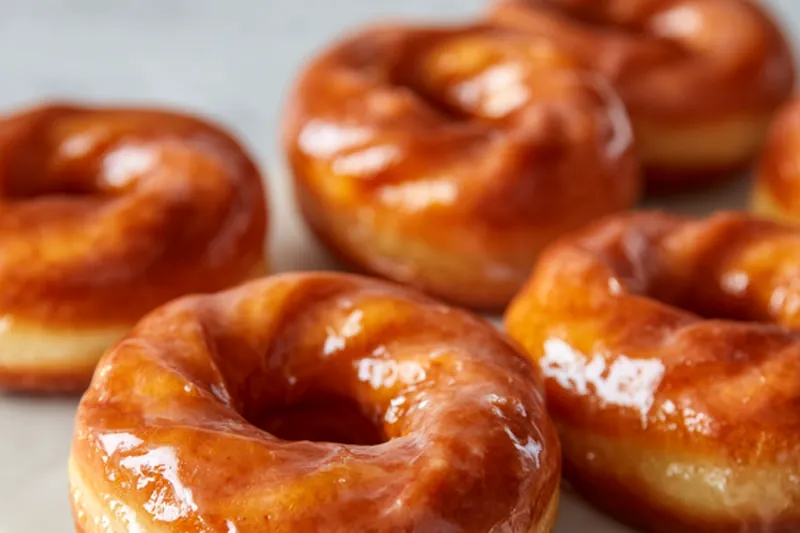
Frying donuts at home might seem intimidating, but with the right technique, it's actually quite straightforward. The most critical factor is maintaining a consistent oil temperature of 350°F. Invest in a good candy or deep-fry thermometer and clip it to the side of your pot where you can monitor it continuously. When you add cold donuts to hot oil, the temperature will drop, so you may need to increase the heat slightly between batches. Never let the temperature exceed 375°F or drop below 325°F for the best results. A steady temperature ensures your donuts cook evenly, developing that perfect golden crust while staying fluffy inside.
The twisting technique is both an art and a science. Roll each portion of dough into a smooth, even rope about 10 inches long and 3/4 inch thick. Fold the rope in half, then twist the two halves around each other, working from the folded end toward the loose ends. Pinch the ends together firmly to seal them. The beauty of twisted donuts is that each one looks slightly different - embrace the handmade quality rather than striving for machine-perfect uniformity. As you fry them, they'll puff up and take on even more character. Use a slotted spoon or spider strainer to turn them gently and remove them from the oil, allowing excess oil to drain back into the pot.
The Perfect Twist
To create the signature twisted shape, start with evenly rolled dough ropes. Fold each rope in half and hold the folded end in one hand. With your other hand, twist the two strands around each other, working your way down to the open ends. Give it about 4-5 complete twists for a rope that's 10 inches long. The dough should twist easily without resistance - if it's fighting back, let it rest for 5 minutes to relax the gluten. Pinch the loose ends together firmly and tuck them slightly under the donut. This creates a neat finish and prevents unraveling during frying.
Twisted Donuts Recipe - Fluffy Homemade Sweet Treats
📋 Ingredients
Dough
- 1 cup powdered sugarFor dusting - use more if needed for generous coating
- 1 teaspoon cinnamon (optional)Mix with powdered sugar for cinnamon-sugar coating
- Vegetable oil for frying (about 6 cups)Use fresh oil with high smoke point - canola or peanut oil works great
For Frying and Coating
- 3 cups all-purpose flour, plus extra for dustingSpoon and level for accurate measurement - don't pack it
- 1/4 cup granulated sugarProvides sweetness and helps activate the yeast
- 2 1/4 teaspoons active dry yeast (1 packet)Check expiration date for best rising results
- 3/4 cup warm milk (110°F)Use a thermometer for accuracy - too hot kills yeast
- 2 large eggs, room temperatureRoom temp eggs incorporate better into dough
- 1/4 cup unsalted butter, meltedCooled slightly - adds richness and tender texture
- 1 teaspoon vanilla extractPure vanilla gives best flavor
- 1/2 teaspoon saltEnhances flavor and strengthens gluten structure
Instructions
Prepare the Dough
In a large bowl, combine warm milk and yeast. Let stand for 5 minutes until foamy. Add sugar, eggs, melted butter, vanilla, and salt. Mix well. Gradually add flour, mixing until a soft dough forms. Knead on a floured surface for 5-7 minutes until smooth and elastic.
Let Dough Rise
Place dough in a greased bowl, cover with a clean towel, and let rise in a warm place for 1 hour until doubled in size. This creates the airy texture that makes these donuts so fluffy.
Shape the Twisted Donuts
Punch down dough and divide into 12 equal pieces. Roll each piece into a 10-inch rope. Fold the rope in half and twist the two halves together, pinching the ends to seal. Place on a parchment-lined baking sheet and let rest for 15 minutes.
Heat Oil and Fry
Heat vegetable oil in a deep pot or fryer to 350°F. Carefully add 2-3 twisted donuts at a time, frying for 2-3 minutes per side until golden brown. Use a slotted spoon to turn them and remove them when done.
Drain and Coat
Transfer fried donuts to a paper towel-lined plate to drain excess oil. While still warm, dust generously with powdered sugar or a cinnamon-sugar mixture. Serve immediately for best texture.
Serve and Enjoy
These twisted donuts are best enjoyed fresh and warm. Serve with coffee, hot chocolate, or your favorite breakfast beverage. Store any leftovers in an airtight container for up to 2 days.
Recipe Notes & Tips
Storage
Store cooled twisted donuts in an airtight container at room temperature for up to 2 days. They're best eaten the day they're made. Refresh day-old donuts by warming in a 300°F oven for 3-5 minutes. Freeze unfrosted donuts in freezer bags for up to 1 month.
Serving Suggestions
Serve warm twisted donuts with hot coffee, cappuccino, or hot chocolate. They're delicious with vanilla custard or chocolate sauce for dipping. Pair with fresh berries or serve alongside vanilla ice cream for a special dessert presentation.
Variations
Add 1 teaspoon cinnamon or cardamom to the dough for spiced donuts. Try glazing with chocolate, caramel, or maple icing instead of powdered sugar. For filled donuts, inject with jam, custard, or Nutella after frying. Add orange or lemon zest to the dough for citrus-flavored donuts.