Turkish Pistachio Semolina Cake (Revani)
This authentic Turkish Revani is a beloved dessert that transforms simple ingredients into something extraordinary. The semolina gives the cake a unique, tender texture while the cooled syrup ensures every bite is perfectly moist. Topped with cream and pistachios, it's a stunning centerpiece for any gathering.


Understanding Traditional Revani
Revani is one of Turkey's most cherished desserts, found in every pastry shop and home kitchen across the country. This semolina-based cake has roots stretching back to Ottoman palace cuisine, where it was perfected over centuries. What makes Revani special is its unique texture - neither quite cake nor pudding, but something wonderfully in between. The semolina flour creates a sturdy yet tender crumb that can absorb an impressive amount of syrup without becoming soggy or falling apart.
The magic of Revani lies in the syrup-soaking process, which must be done correctly to achieve perfection. Traditional recipes always pour cold or room-temperature syrup over hot cake, never the reverse. This temperature contrast allows the cake to absorb maximum syrup while maintaining its structure. The yogurt in the batter adds tanginess that balances the sweetness, while lemon zest provides brightness. When topped with rich cream and crunchy pistachios, you get a dessert that hits every note - sweet, tangy, creamy, and nutty all at once.
💡 Professional Tip
Always use fine semolina (not coarse) for the smoothest texture, and make sure your syrup has completely cooled before pouring it over the hot cake - this is the secret to proper absorption.
Frequently Asked Questions
Absolutely! Revani actually improves after sitting for several hours or overnight as the syrup continues to permeate the cake. Make it up to 2 days ahead, cover with plastic wrap, and refrigerate. Add the cream and pistachio topping just before serving. The cake stays moist for up to 4 days when properly stored.
While semolina is traditional and gives Revani its characteristic texture, you can use all-purpose flour in a pinch, though the result will be more like regular cake. For a gluten-free version, try fine cornmeal or rice flour, but note the texture will differ. Fine semolina is worth seeking out at Middle Eastern markets or well-stocked grocery stores.
Pouring cold or room-temperature syrup over hot cake is essential for proper absorption. Hot syrup on hot cake can cause the cake to become mushy and fall apart. The temperature difference creates the ideal conditions for the cake to drink up the syrup while maintaining its structure. This is a fundamental rule in Turkish syrup desserts.
Kaymak is a thick, clotted cream traditional in Turkish cuisine, similar to clotted cream or mascarpone but with a unique tangy flavor. You can find it at Middle Eastern or Turkish grocery stores, often in the dairy or freezer section. If unavailable, substitute with clotted cream, mascarpone, or even thick whipped cream - while not identical, they provide the rich, creamy contrast this dessert needs.
The cake is done when it's golden brown on top and a toothpick inserted in the center comes out clean or with just a few moist crumbs. The top should spring back when lightly pressed, and the edges will start to pull away slightly from the pan. At 350°F, this typically takes 30-35 minutes, but oven temperatures vary, so start checking at 28 minutes.
Revani is traditionally served with strong Turkish coffee or hot tea, which cuts through the sweetness beautifully. The dessert is rich enough to stand alone, but you can offer extra pistachios on the side for guests who love nuts. Some people enjoy it with a scoop of vanilla ice cream for contrast, though this isn't traditional. Fresh berries make a nice accompaniment for a lighter presentation.
Yes, but adjust baking time accordingly. A 9x13 inch pan is standard and gives pieces the right thickness for syrup absorption. If using a smaller, deeper pan like 9x9, increase baking time by 10-15 minutes and check for doneness with a toothpick. A larger, shallower pan will reduce baking time by about 5-10 minutes. The cake should be about 1.5 inches thick when baked.
Store Revani covered with plastic wrap or in an airtight container in the refrigerator for up to 4 days. The cake actually stays remarkably moist thanks to the syrup. You can serve it cold directly from the fridge or let it come to room temperature for 20 minutes before serving. Freezing is not recommended as the texture changes when thawed, becoming slightly grainy.
Recipe Troubleshooting Guide
Cake Not Absorbing Syrup
Problem: The syrup is pooling on top instead of being absorbed into the cake.
Solution: This happens when the syrup is too hot. The syrup must be completely cooled to room temperature or even chilled before pouring over the hot cake. Also ensure you've scored the cake deeply enough to create channels for absorption. Pour the syrup slowly and evenly, allowing time for it to soak in rather than flooding the cake all at once.
Cake Turned Out Dry
Problem: Despite adding syrup, the cake still tastes dry and crumbly.
Solution: You may not have used enough syrup, or the cake was overbaked. Make sure to prepare the full amount of syrup specified and pour all of it over the cake. If the cake baked too long, it develops a crust that prevents absorption - check for doneness at the minimum time. Next time, remove the cake when a toothpick comes out with a few moist crumbs rather than completely clean.
Cake Became Mushy
Problem: The cake fell apart and turned into mush after adding the syrup.
Prevention: This occurs when hot syrup is poured over hot cake. Always cool the syrup completely first. Also, ensure your cake is fully baked before adding syrup - an underbaked cake can't support the weight of the syrup. The cake should be firm and golden before the syrup step.
Cake Rose Unevenly
Problem: One side of the cake is higher than the other, or there's a dome in the middle.
Recovery: Check that your oven heats evenly by using an oven thermometer in different spots. Rotate the pan halfway through baking. Make sure your batter is spread completely evenly in the pan before baking. A slight dome is normal and won't affect the final result once syrup is added, but significant unevenness suggests oven hot spots.
Dense, Heavy Texture
Problem: The cake is too heavy and compact instead of tender and light.
Prevention: This usually means the batter was overmixed after adding the flour, which develops too much gluten. Mix just until the dry ingredients are incorporated. Also, make sure your baking powder is fresh - check the expiration date. Beat the eggs and sugar adequately (3-4 minutes) to incorporate air before adding other ingredients.
Flavor Balance Issues
Too Sweet: If the cake is too sweet, reduce the syrup sugar by 1/4 cup and add an extra tablespoon of lemon juice to increase tartness. Serve with unsweetened whipped cream instead of sweetened.
Too Salty: If it tastes too salty, you may have used salted butter to grease the pan. Always use unsalted butter or neutral oil for greasing. Reduce the salt in the batter to 1/8 teaspoon if you're sensitive to salt.
Bland: If the flavor is flat, increase the lemon zest to 2 tablespoons and add 1/2 teaspoon of orange blossom water to the syrup. Make sure you're using fresh lemon zest, not dried, as the oils provide essential flavor.
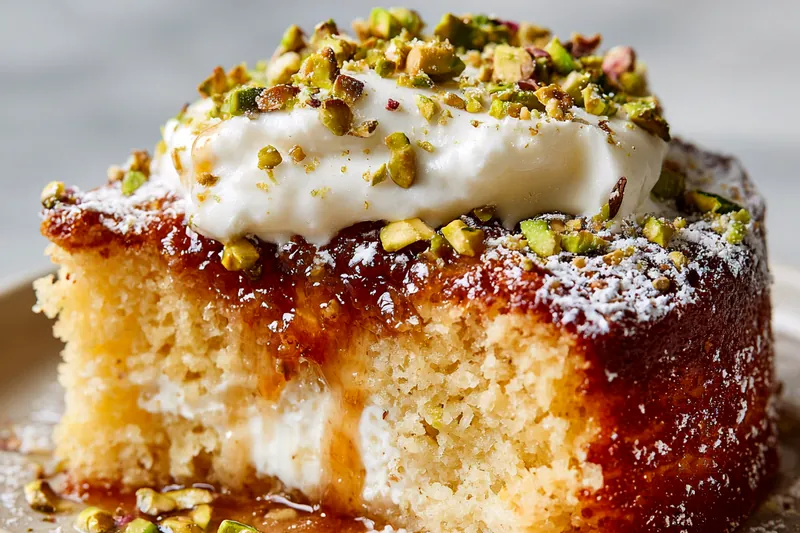
Selecting the Right Ingredients for Authentic Revani
The quality of your ingredients directly impacts the final result in this simple yet elegant dessert. Fine semolina flour is non-negotiable for authentic texture - coarse semolina will create a grainy, gritty cake rather than the tender crumb you want. Look for semolina labeled as fine or for pasta-making at Mediterranean or Middle Eastern markets. The yogurt should be plain, full-fat Greek or regular yogurt, which adds richness and the characteristic tang that balances the sweet syrup.
Fresh lemon zest is essential for brightness - use a microplane to zest only the yellow part of the peel, avoiding the bitter white pith. For pistachios, choose raw, unsalted nuts with vibrant green color, which indicates freshness. Turkish or Iranian pistachios have superior flavor to domestic varieties. The vegetable oil should be neutral-flavored like canola or sunflower - avoid olive oil as its flavor is too strong and will compete with the delicate lemon notes.
Essential Ingredient Notes
- Fine Semolina Flour: Must be fine-grain, not coarse. Look for Italian or Turkish brands in the pasta or international aisle. If you can only find coarse semolina, pulse it briefly in a food processor to break down the grains, though this isn't ideal.
- Plain Yogurt: Full-fat yogurt gives the best flavor and moisture. Greek yogurt works beautifully as does Turkish or Middle Eastern yogurt. Avoid flavored or sweetened yogurts. If your yogurt is very thick, thin it slightly with a tablespoon of milk.
- Fresh Pistachios: Buy whole, raw, unsalted pistachios and chop them yourself for best flavor and color. Pre-chopped pistachios may be stale. Store pistachios in the freezer to preserve their vibrant green color and prevent rancidity.
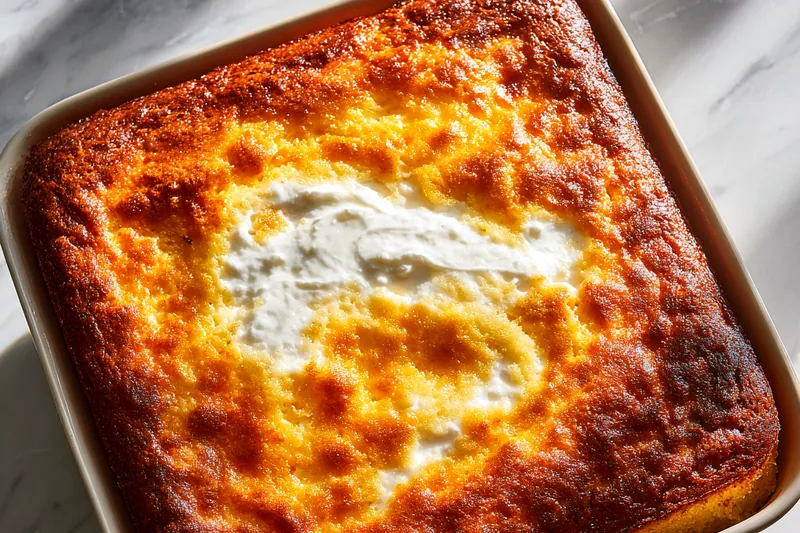
Mastering the Syrup-Soaking Technique
The defining characteristic of Revani is how beautifully it absorbs syrup, and this requires proper technique. The cardinal rule is temperature contrast: always pour cooled syrup over hot cake, never hot over hot. Prepare your syrup while the cake bakes, then let it cool completely to room temperature or even refrigerate it. When the cake emerges from the oven, immediately score it into portions - this creates channels that help the syrup penetrate evenly throughout. Use a sharp knife and cut all the way through to the bottom of the pan.
Pour the cooled syrup slowly and methodically over the entire surface of the hot cake, making sure to cover every scored line and corner. You'll hear a satisfying sizzle as the syrup meets the hot cake. Don't rush this process - take your time to ensure even distribution. The cake will absorb the syrup gradually over 30-60 minutes. You'll know it's ready when there's minimal pooling in the bottom of the pan and the cake looks glossy and swollen with moisture. Patience during this step is what separates good Revani from great Revani.
The Art of Syrup Temperature
Temperature control is everything in syrup desserts. Cool syrup hitting hot cake causes the cake's pores to open and drink in maximum liquid while the residual heat helps the syrup permeate deeply. If both are hot, the cake becomes soggy and can disintegrate. If both are cool, absorption is incomplete and you'll have dry patches. This technique applies to all syrup-based Middle Eastern desserts including baklava and basbousa.
Turkish Pistachio Semolina Cake (Revani)
📋 Ingredients
Cake Batter
- 1½ cups waterUse filtered water for the clearest, best-tasting syrup
- 1¼ cups granulated sugarRegular white sugar works perfectly; don't substitute honey
- 1 tablespoon fresh lemon juicePrevents crystallization and adds brightness
Sugar Syrup
- 1 cup fine semolina flourMust be fine grain for proper texture
- ¾ cup all-purpose flourProvides structure and helps the cake hold together
- 1 cup granulated sugarFor the cake batter; don't reduce or it won't balance the syrup
- 4 large eggs, room temperatureRoom temp eggs mix more easily and create better volume
- ½ cup plain yogurtFull-fat yogurt gives the best flavor and moisture
- ½ cup vegetable oilUse neutral oil like canola or sunflower
- 1 teaspoon vanilla extractPure vanilla enhances all the other flavors
- 1 tablespoon fresh lemon zestFrom about 2 lemons; provides essential brightness
- 2 teaspoons baking powderCheck expiration date to ensure proper rise
- ¼ teaspoon saltEnhances sweetness and balances flavors
- ½ cup crushed pistachiosFor topping; raw, unsalted pistachios work best
- Whipped cream or kaymakFor serving; kaymak is traditional Turkish clotted cream
Instructions
Prepare Pan and Preheat
Preheat oven to 350°F (175°C). Grease a 9x13 inch baking pan thoroughly with butter or oil, ensuring all corners are coated. This prevents sticking when the syrup is added later.
Make Cake Batter
In a large bowl, beat eggs and sugar together for 3-4 minutes until pale and fluffy. Add yogurt, oil, vanilla, and lemon zest, mixing until well combined. In a separate bowl, whisk together semolina, flour, baking powder, and salt. Gradually fold dry ingredients into wet ingredients until just combined and smooth.
Bake the Cake
Pour batter into prepared pan, spreading evenly. Bake for 30-35 minutes until golden brown and a toothpick inserted in the center comes out clean. The top should spring back when lightly pressed.
Prepare Sugar Syrup
While cake bakes, combine water and sugar in a saucepan. Bring to a boil, then reduce heat and simmer for 10 minutes until slightly thickened. Add lemon juice and remove from heat. Let syrup cool to room temperature.
Soak with Syrup
As soon as the cake comes out of the oven, use a knife to score it into diamond or square portions. Slowly pour the cooled syrup evenly over the hot cake, allowing it to absorb completely. This takes about 30 minutes.
Garnish and Serve
Once syrup is fully absorbed and cake has cooled, top each portion with a dollop of whipped cream or kaymak and generously sprinkle with crushed pistachios. Serve at room temperature.
Recipe Notes & Tips
Storage
Store covered in the refrigerator for up to 4 days. The cake stays remarkably moist thanks to the syrup. Can be served cold or at room temperature. Do not freeze as the texture changes when thawed.
Serving Suggestions
Serve with strong Turkish coffee or hot tea to balance the sweetness. Traditional accompaniments include extra crushed pistachios, fresh berries, or a small scoop of vanilla ice cream. Best enjoyed at room temperature.
Variations
Try adding ½ teaspoon orange blossom water to the syrup for floral notes, or substitute half the pistachios with almonds. Some recipes add a tablespoon of tahini to the batter for nutty depth. For chocolate lovers, add 2 tablespoons cocoa powder to the batter.