Spicy Garlic Butter Sauce
This Spicy Garlic Butter Sauce transforms ordinary meals into restaurant-worthy dishes in just 10 minutes. The perfect balance of rich butter, aromatic garlic, and just the right amount of heat makes this sauce incredibly versatile and absolutely irresistible. Whether you're drizzling it over grilled seafood, tossing it with pasta, or using it as a dipping sauce, this recipe delivers professional results every time.

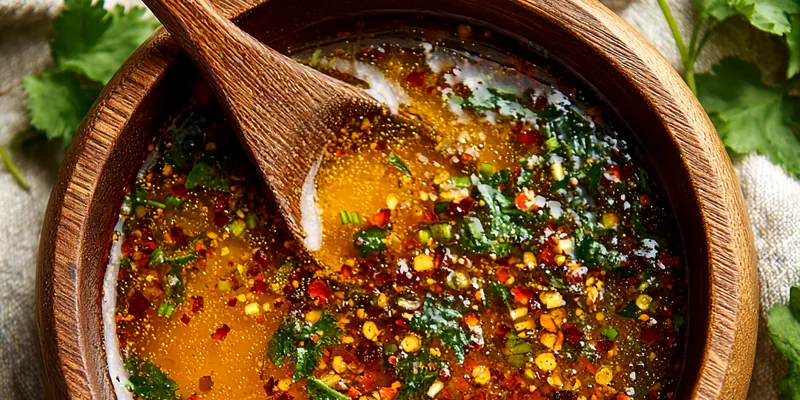
Why This Spicy Garlic Butter Sauce Works
The magic of this sauce lies in understanding how to properly cook garlic in butter. Unlike many recipes that call for high heat, this technique uses gentle, medium-low heat to coax out garlic's natural sweetness while preventing the bitter, acrid flavors that develop when garlic burns. The butter acts as both a cooking medium and a flavor carrier, distributing the garlic and spices evenly throughout while creating that luxurious, silky texture we associate with fine dining.
The layering of flavors is intentional and strategic. Red chili flakes bloom in the warm butter, releasing their heat gradually rather than aggressively. Black pepper adds depth and complexity, while the fresh herbs introduced at the end provide brightness that cuts through the richness. A touch of lemon juice adds acidity to balance the butter's fat content, creating a sauce that enhances rather than overwhelms your dish. This careful balance is what separates a good butter sauce from a truly exceptional one.
💡 Professional Tip
Always remove the pan from heat before adding fresh herbs and lemon juice. Residual heat is enough to warm these ingredients while preserving their bright, fresh flavors. This technique prevents the herbs from turning dark and the lemon from becoming bitter.
Frequently Asked Questions
Yes, you can make this sauce up to 3 days ahead. Store it in an airtight container in the refrigerator, where it will solidify. To reheat, place the container in a warm water bath or microwave in 15-second intervals, stirring between each until melted and smooth. You may want to add a squeeze of fresh lemon juice and a sprinkle of fresh herbs before serving to brighten the flavors. Avoid reheating on direct high heat as this can cause the butter to separate.
While you can use olive oil or another cooking oil, the result will be fundamentally different. Butter provides a unique richness, mouthfeel, and flavor that oils cannot replicate. Margarine is not recommended as it contains water and emulsifiers that can cause the sauce to separate or become grainy. If you need a dairy-free option, use a high-quality plant-based butter designed for cooking, or consider using clarified butter (ghee) which has a higher smoke point and works beautifully for those avoiding dairy proteins.
The key is temperature control and constant attention. Use medium-low heat and stir constantly once the garlic is added. Garlic goes from perfectly fragrant to burnt in seconds, so never walk away from the pan during this step. If you notice the garlic beginning to brown too quickly, immediately remove the pan from heat and continue stirring - the residual heat will finish cooking it. Mincing the garlic finely also helps it cook more evenly and reduces the risk of some pieces burning while others remain raw.
Absolutely! Start with just 1/2 teaspoon of red chili flakes for a mild heat, or increase to 1.5-2 teaspoons for a spicier kick. You can also experiment with different types of chili - Korean gochugaru adds a smoky sweetness, while cayenne pepper provides sharp, direct heat. For a more complex flavor, try adding a small pinch of smoked paprika alongside the chili flakes. Remember, you can always add more heat to individual portions, but you can't take it away once it's mixed in.
The sauce is ready when the garlic becomes fragrant and just begins to turn a very light golden color - this usually takes 2-3 minutes of cooking. You'll notice the aroma change from raw and sharp to sweet and mellow. The butter should be bubbling very gently around the garlic, not sizzling or popping vigorously. If you see the butter starting to brown or smell any burnt notes, you've gone too far. Visual cues include the garlic becoming translucent and the sauce taking on a unified golden color throughout.
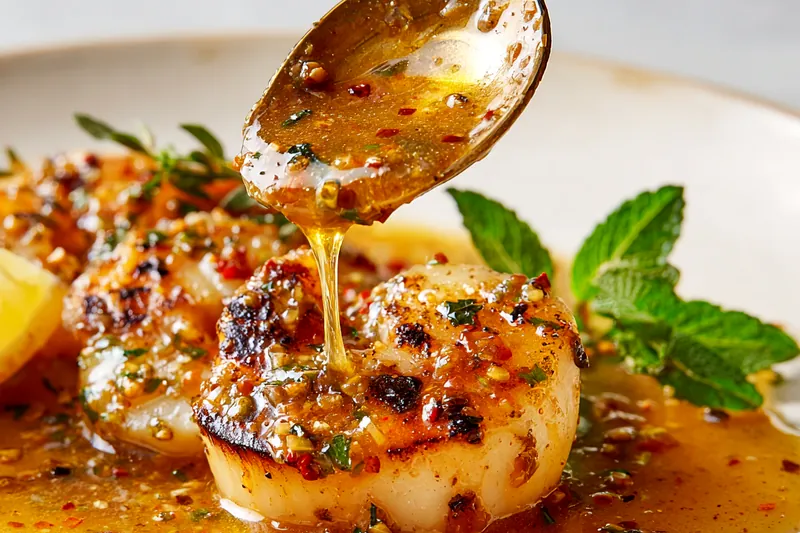
This sauce is incredibly versatile! It's spectacular on seafood - particularly shrimp, scallops, lobster, and white fish like cod or halibut. Brush it on grilled chicken, steak, or pork chops during the last few minutes of cooking. Toss it with pasta, steamed vegetables (especially broccoli, green beans, or asparagus), or drizzle over baked potatoes. It also makes an excellent bread dipping sauce or can be used to make garlic bread. For a complete meal, serve grilled shrimp with this sauce alongside rice pilaf and roasted vegetables.
Yes, this sauce freezes well for up to 3 months. Pour it into ice cube trays for convenient single-serving portions, or freeze in a freezer-safe container. When frozen in cubes, you can pop out individual portions as needed. Thaw overnight in the refrigerator or reheat directly from frozen over very low heat, stirring frequently. The texture may separate slightly upon thawing, but whisking vigorously while reheating will bring it back together. Add fresh herbs after reheating for the best flavor.
Store leftover sauce in an airtight container in the refrigerator for up to 5 days. The butter will solidify when cold, which is completely normal. To use, simply reheat gently until melted. For best results, portion the sauce into smaller containers so you only reheat what you need. Keep in mind that the fresh herb flavors will fade over time, so you may want to stir in a small amount of fresh herbs when reheating to refresh the flavor.
Recipe Troubleshooting Guide
Sauce Separated or Looks Greasy
Problem: The butter has separated from the other ingredients, creating an oily layer on top or a greasy appearance instead of a smooth, emulsified sauce.
Solution: This happens when the sauce gets too hot or is reheated too quickly. To fix, remove from heat and whisk vigorously while adding a teaspoon of cold water. The water helps re-emulsify the fats. You can also blend the sauce with an immersion blender for 10-15 seconds. To prevent this, always use low heat and add a small splash of water or stock when reheating.
Garlic Tastes Bitter or Burnt
Problem: The sauce has an unpleasant, acrid, or bitter taste that overpowers the other flavors, indicating the garlic has been overcooked.
Solution: Unfortunately, burnt garlic cannot be fixed - you'll need to start over. To prevent this in the future, use medium-low heat and never leave the pan unattended once garlic is added. Stir constantly and remove from heat as soon as the garlic becomes fragrant and begins to turn golden. Consider using slightly larger garlic pieces if you're having trouble with burning, as they cook more slowly than minced garlic.
Sauce Is Too Thin or Runny
Problem: The sauce doesn't have the rich, coating consistency you expected and runs off food instead of clinging to it.
Prevention: This can happen if too much liquid was added or if the sauce wasn't reduced enough. To thicken, return the sauce to low heat and simmer gently for 2-3 minutes to reduce excess liquid. You can also add an extra tablespoon of butter, which will naturally thicken the consistency. If you prefer a more stable emulsion, whisk in 1/4 teaspoon of Dijon mustard, which acts as an emulsifier without significantly changing the flavor.
Sauce Is Too Thick or Solidifying
Problem: The sauce has become too thick, paste-like, or is starting to solidify while you're trying to serve it, making it difficult to drizzle or toss with food.
Recovery: Butter solidifies quickly when it cools below 90°F. Keep the sauce warm on the lowest heat setting on your stove, or transfer to a small bowl set over a larger bowl of hot water. If it's already too thick, whisk in a tablespoon of warm water, stock, or white wine to loosen the consistency. For serving at the table, consider using a small warming candle or heating pad underneath the serving dish.
Herbs Lost Their Color and Turned Brown
Problem: The fresh herbs have turned dark, brownish, or murky-looking instead of maintaining their vibrant green color, making the sauce look unappealing.
Prevention: This occurs when herbs are added while the sauce is too hot or are cooked for too long. Always remove the pan from heat before adding fresh herbs, and stir them in at the very end. The residual heat is sufficient to warm them without causing discoloration. If this has already happened, strain out the discolored herbs and stir in fresh ones just before serving. For longer storage, consider adding herbs only when reheating for service.
Flavor Balance Issues
Too Sweet: If you accidentally added too much honey, balance it with an extra squeeze of lemon juice and a small pinch of salt. You can also add a tiny dash of apple cider vinegar to cut the sweetness.
Too Salty: If the sauce is too salty, add more unsalted butter to dilute the salt concentration, along with a squeeze of lemon juice. You can also add a small pinch of sugar or honey to help balance the saltiness.
Bland: If the sauce lacks flavor, it likely needs more salt and acid. Add salt in small pinches, tasting between additions. Then brighten with lemon juice. Don't forget that fresh herbs add tremendous flavor - make sure you're using enough and that they're fresh, not dried.
Choosing the Right Ingredients for Perfect Flavor
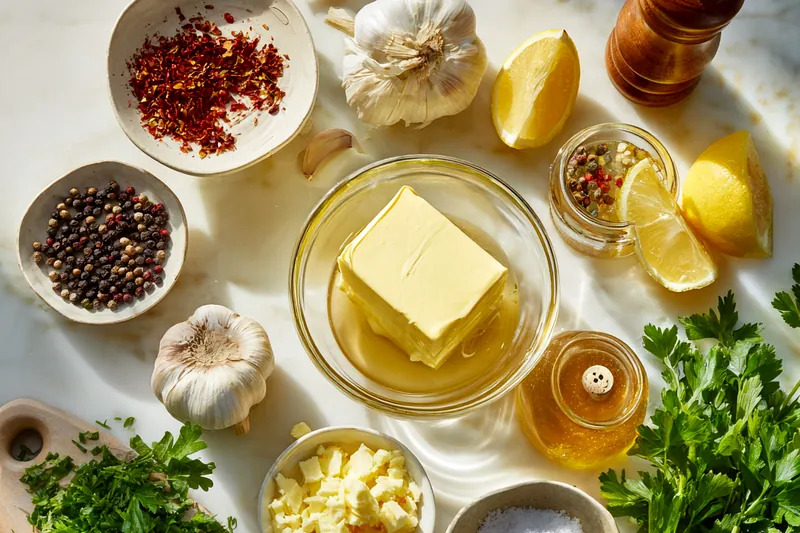
The quality of your ingredients directly impacts the final result, especially in a simple sauce like this where each component plays a starring role. Use unsalted butter to control the salt level precisely - salted butter varies significantly between brands and can make your sauce too salty. European-style butter with higher fat content (82% vs. 80%) creates an even richer, more luxurious sauce, though standard American butter works beautifully as well. Fresh garlic is non-negotiable; pre-minced garlic in jars lacks the aromatic compounds that develop during fresh cutting and won't provide the same depth of flavor.
Fresh herbs make a remarkable difference compared to dried versions. Fresh parsley adds a clean, bright flavor, while cilantro contributes a distinctive citrus-like note that pairs beautifully with the garlic and chili. If you're not a cilantro fan, substitute with fresh basil or additional parsley. For the chili flakes, standard crushed red pepper works perfectly, but you can explore other varieties like Aleppo pepper for a fruitier heat or gochugaru for a subtle smokiness. Fresh lemon juice is far superior to bottled, providing the clean acidity needed to balance the butter's richness without any preservative aftertaste.
Essential Ingredient Notes
- Butter: Choose high-quality unsalted butter for best results. Look for butter with a rich yellow color, indicating higher fat content and better flavor. European-style butter (Kerrygold, Plugra) contains 82% fat compared to standard 80%, creating an even silkier sauce. Always use unsalted to control seasoning precisely.
- Fresh Garlic: Select firm, heavy garlic bulbs with tight, papery skin and no green shoots. Mince finely for even cooking and maximum flavor release. For a milder garlic flavor, cut cloves in half and remove the green germ in the center. Never substitute with garlic powder or pre-minced garlic, as they lack the fresh, complex flavor essential to this sauce.
- Red Chili Flakes: Standard crushed red pepper flakes work perfectly and provide adjustable heat. For variation, try Korean gochugaru for a smoky-sweet heat, Aleppo pepper for fruity spiciness, or Calabrian chili flakes for authentic Italian flavor. Store chili flakes in a cool, dark place to maintain potency, and replace annually as they lose heat over time.
Mastering the Technique for Restaurant-Quality Results
The key to exceptional garlic butter sauce lies in temperature control and timing. Starting with medium-low heat allows the butter to melt gently without browning, which is crucial because browned butter (beurre noisette) has a distinctly different, nutty flavor that can overpower the garlic. As the garlic cooks in the melted butter, you're actually creating an infused butter where the fat molecules trap and carry the aromatic compounds from the garlic and spices. This process requires gentle heat and constant stirring to ensure even cooking without any burning or scorching.
Timing your ingredient additions makes all the difference between a mediocre sauce and an extraordinary one. Adding garlic and chili flakes together allows them to bloom simultaneously, but removing the pan from heat before adding herbs and lemon juice preserves their delicate flavors and colors. This technique, known as off-heat finishing, is a professional kitchen secret that home cooks can easily master. The residual heat continues to warm and meld the flavors without cooking them, resulting in a sauce that tastes bright, fresh, and complex all at once.
The Perfect Garlic Bloom
Blooming garlic in butter means cooking it just until it releases its aromatic oils without caramelizing or burning. Watch for the garlic to become translucent and fragrant (about 2-3 minutes), with just the faintest hint of golden color. The butter should bubble gently around the garlic pieces - if it's sizzling vigorously, your heat is too high. This gentle cooking process transforms raw garlic's sharp bite into a mellow, sweet flavor that forms the foundation of your sauce. Stir constantly and never walk away during this critical step.
Spicy Garlic Butter Sauce
📋 Ingredients
Base Ingredients
- 1/2 cup unsalted butter (1 stick)Use high-quality unsalted butter; European-style preferred for richer flavor
- 6 cloves garlic, mincedMust be fresh garlic, minced finely for even cooking
- 1 tablespoon lemon juiceFresh squeezed only, about half a lemon
- 1/2 teaspoon honey (optional)Balances heat and acidity; can omit for savory-only flavor
Seasonings & Herbs
- 1 teaspoon red chili flakesAdjust to taste; start with 1/2 tsp for mild heat
- 1/2 teaspoon black pepper, freshly groundFreshly ground provides best flavor and aroma
- 1/4 teaspoon saltFine sea salt or kosher salt; adjust to taste
- 2 tablespoons fresh parsley, choppedFlat-leaf Italian parsley preferred for better flavor
- 1 tablespoon fresh cilantro, choppedSubstitute with basil if you dislike cilantro
Instructions
Prepare Ingredients
Mince the garlic cloves finely and chop fresh herbs. Measure out all spices and have them ready near the stove. This ensures you can work quickly once cooking begins and prevents the garlic from burning while you search for ingredients.
Melt Butter
In a medium saucepan over medium-low heat, melt the butter slowly until completely liquid but not bubbling vigorously or browning. This should take about 2 minutes. The butter should be gently melted, not sizzling.
Cook Garlic and Spices
Add minced garlic and red chili flakes to the melted butter. Cook for 2-3 minutes, stirring constantly, until garlic is fragrant and just beginning to turn golden. The butter should bubble gently around the garlic. Do not let the garlic brown or burn, as this creates bitterness.
Season and Finish
Remove the pan from heat immediately and stir in black pepper, salt, lemon juice, and honey if using. The residual heat will warm these ingredients. Add fresh parsley and cilantro, stirring well to combine all elements into a cohesive sauce.
Serve
Serve immediately while warm for best flavor and texture, or keep warm on the lowest heat setting if needed. Drizzle generously over seafood, chicken, vegetables, pasta, or use as a dipping sauce for bread. Stir before each use as ingredients may settle.
Recipe Notes & Tips
Storage
Store in an airtight container in the refrigerator for up to 5 days. The sauce will solidify when cold. Reheat gently in a saucepan over low heat or in the microwave in 15-second intervals, stirring between each. Add fresh herbs when reheating for the brightest flavor. Can be frozen for up to 3 months in ice cube trays for portion control.
Serving Suggestions
This sauce is incredibly versatile! Drizzle over grilled or baked seafood (shrimp, scallops, lobster, salmon), brush on chicken or steak during the last minutes of cooking, toss with hot pasta and vegetables, or use as a dipping sauce for crusty bread. Also excellent over baked or roasted potatoes, steamed vegetables, or as a finishing sauce for rice dishes.
Variations
For Asian-inspired flavor, add a teaspoon of soy sauce and ginger. For Italian style, use fresh basil instead of cilantro and add a pinch of oregano. Make it herbaceous by doubling the fresh herbs and adding chives. For extra richness, stir in a tablespoon of grated Parmesan cheese. Adjust heat level by increasing or decreasing chili flakes, or substitute with cayenne pepper for sharper heat.