Pistachio Pound Cake with Vanilla Glaze
This pistachio pound cake is everything you want in a classic dessert - buttery, dense, and incredibly moist with a delicate crumb. The pistachios add a wonderful nutty flavor and beautiful texture throughout, while the vanilla glaze provides just the right amount of sweetness. It's elegant enough for special occasions yet simple enough for everyday baking.

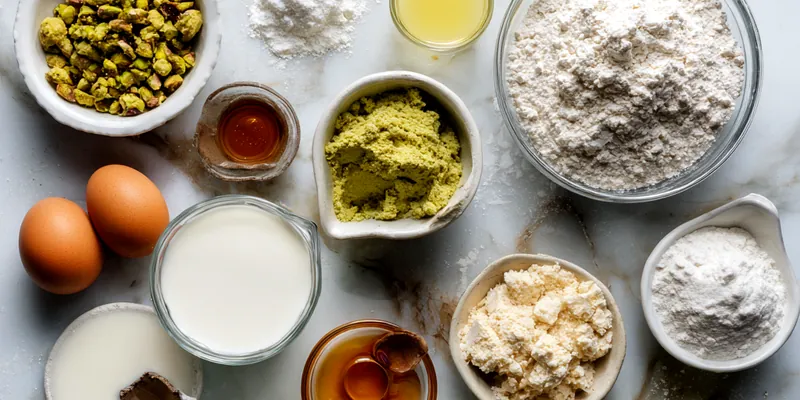
Why This Pistachio Pound Cake Recipe Works
The secret to an exceptional pound cake lies in understanding the role each ingredient plays. Traditional pound cakes get their name from the original recipe using a pound each of butter, sugar, eggs, and flour. This pistachio version maintains that rich, dense structure while incorporating the perfect amount of pistachios for flavor without compromising texture. The combination of butter and sour cream creates an incredibly moist crumb that stays fresh for days, while the almond extract enhances the natural nuttiness of the pistachios without overwhelming the delicate flavor profile.
The key technique that sets this recipe apart is the creaming method and careful mixing. Beating the butter and sugar for a full five minutes incorporates air that creates the cake's fine, tender crumb. Adding eggs one at a time ensures proper emulsification, which is crucial for the smooth, velvety texture. The alternating addition of dry and wet ingredients prevents overmixing, which would develop too much gluten and result in a tough, dense cake instead of the tender pound cake texture we want. Taking the time to bring all ingredients to room temperature also ensures even mixing and optimal texture.
💡 Professional Tip
Always use room temperature ingredients for pound cakes. Cold eggs and dairy can cause the batter to curdle or separate, resulting in a less tender crumb. Set everything out 30-60 minutes before baking for best results.
Frequently Asked Questions
Absolutely! This pistachio pound cake actually improves after a day as the flavors meld together. Bake the cake completely and let it cool, but wait to add the glaze until a few hours before serving. Wrap the unglazed cake tightly in plastic wrap and store at room temperature for up to 3 days, or refrigerate for up to a week. You can also freeze the unglazed cake for up to 3 months - just thaw completely before glazing and serving.
Yes, you can substitute with other nuts, though the flavor profile will change. Almonds, pecans, or walnuts all work well. If using almonds, increase the almond extract slightly. For pecans or walnuts, you might want to reduce or omit the almond extract and stick with just vanilla. Toast the nuts lightly before chopping for even more flavor depth. Keep the same quantity of 1 cup chopped nuts.
A sunken center usually indicates the cake was underbaked, the oven temperature was too low, or the oven door was opened too early during baking. Make sure your oven is properly preheated to 325°F and use an oven thermometer to verify accuracy. Don't open the oven door for at least the first 50 minutes of baking, as the structure needs time to set. The cake is done when a toothpick comes out with just a few moist crumbs and the top springs back when gently pressed.
It's best to use unsalted pistachios so you can control the salt level in the recipe. If you only have salted pistachios, reduce the salt in the recipe by 1/4 teaspoon and rinse the pistachios under water, then pat them completely dry before chopping and adding to the batter. The extra salt from salted nuts can throw off the delicate balance of flavors in a pound cake.
The cake is perfectly done when a toothpick or cake tester inserted into the center comes out with just a few moist crumbs attached, not wet batter. The top should be deep golden brown and spring back when lightly touched. The edges will have pulled away slightly from the pan sides. Internal temperature should read 200-205°F on an instant-read thermometer. Start checking around the 60-minute mark, but don't be surprised if it needs up to 70 minutes.
This pistachio pound cake pairs beautifully with a cup of strong coffee or Earl Grey tea. For a more indulgent dessert, serve it with vanilla ice cream or lightly sweetened whipped cream. Fresh berries like raspberries or strawberries provide a lovely tart contrast to the rich, sweet cake. You can also serve it with a dollop of mascarpone cheese mixed with a touch of honey. For brunch, it's delicious alongside fresh fruit salad.
Yes, this batter adapts well to different pans. For muffins, fill standard muffin cups about 3/4 full and bake at 325°F for 22-28 minutes. For a bundt pan, use a well-buttered and floured 10-cup bundt pan and bake for 55-65 minutes, checking for doneness with a skewer. The glaze works beautifully drizzled over a bundt cake. Just remember that different pan sizes will affect baking time, so watch carefully and use the toothpick test.
Store the glazed cake in an airtight container or cover tightly with plastic wrap at room temperature for up to 3 days. The cake will stay moist and delicious. For longer storage, refrigerate for up to a week or freeze individual slices wrapped in plastic wrap and then foil for up to 3 months. Thaw frozen slices at room temperature for about 30 minutes before serving. The glaze may lose some of its shine in the refrigerator but will still taste great.
Recipe Troubleshooting Guide
Dense, Heavy Texture
Problem: The cake turned out too dense and heavy rather than tender with a fine crumb.
Solution: This usually happens from insufficient creaming of the butter and sugar or using cold ingredients. Make sure to beat the butter and sugar for the full 5 minutes until very light and fluffy. Use room temperature eggs and dairy, and don't overmix once you add the flour. Mix just until ingredients are combined to avoid developing too much gluten.
Dry Cake
Problem: The pound cake came out dry instead of moist and tender.
Solution: Overbaking is the most common cause of dry pound cake. Start checking at 60 minutes and remove from oven when a toothpick has just a few moist crumbs. Also ensure you're measuring flour correctly by spooning it into the measuring cup and leveling off, not scooping directly from the bag which packs in too much flour. Adding the sour cream is crucial for moisture, so don't skip it.
Cracked Top
Problem: The top of the cake cracked significantly during baking.
Prevention: Some cracking on pound cakes is normal and traditional, but excessive cracking means the oven temperature was too high. Verify your oven temperature with an oven thermometer and reduce by 25°F if necessary. You can also place a sheet of parchment paper loosely over the top for the last 15-20 minutes of baking to prevent over-browning while the center finishes cooking.
Glaze Too Thin or Thick
Problem: The glaze either ran off completely or was too thick to drizzle nicely.
Recovery: The consistency of the glaze depends on the ratio of powdered sugar to milk. Start with 2 tablespoons of milk and add more a teaspoon at a time until you reach the right consistency. The glaze should flow slowly off a spoon and create ribbons. If too thin, whisk in more powdered sugar a tablespoon at a time. If too thick, add milk by the teaspoon. Let the cake cool completely before glazing to prevent the glaze from melting and running off.
Cake Stuck in Pan
Problem: The cake wouldn't release cleanly from the loaf pan.
Prevention: Proper pan preparation is essential. Generously butter every surface of the pan, getting into all corners, then add a couple tablespoons of flour and tilt the pan to coat all surfaces completely. Tap out excess flour before adding batter. After baking, let the cake cool in the pan for exactly 15 minutes - not longer or it will stick, not shorter or it may break. Run a thin knife around edges before inverting onto a wire rack.
Flavor Balance Issues
Too Sweet: If the cake tastes too sweet, reduce the granulated sugar to 1 3/4 cups next time. You can also add a pinch more salt or increase the almond extract slightly to balance the sweetness.
Too Salty: If too salty, you likely used salted butter or salted pistachios. Always use unsalted butter for baking control. Reduce the added salt to 1/4 teaspoon if using salted nuts.
Bland: If the flavor seems bland, make sure you're using fresh extracts and good quality pistachios. Toast the pistachios lightly at 350°F for 5-7 minutes before chopping to intensify their flavor. Add a touch more almond extract for depth.

Selecting the Best Ingredients for Your Pistachio Pound Cake
Quality ingredients make all the difference in pound cake. Start with unsalted butter from a reputable brand - European-style butter with higher fat content produces an even richer, more flavorful cake. The butter should be softened to room temperature, meaning it should give easily when pressed but still hold its shape. For eggs, always use large eggs and let them come to room temperature for at least 30 minutes. Room temperature eggs incorporate more easily into the batter and create better emulsification with the butter, resulting in a more uniform, tender crumb structure.
When it comes to pistachios, opt for raw, shelled, unsalted pistachios from a specialty nut store or high-quality grocery section. The pistachios should be bright green, not brown or discolored, which indicates freshness. Avoid pre-chopped pistachios as they can be dried out - whole nuts retain their oils and flavor better. For the sour cream, use full-fat sour cream rather than low-fat versions. The extra fat content contributes significantly to the cake's moisture and tender texture. Finally, use pure vanilla and almond extracts rather than imitation versions - the difference in flavor is noticeable in such a simple, butter-forward cake where every ingredient shines through.
Essential Ingredient Notes
- Unsalted Butter: Choose high-quality unsalted butter and bring it to true room temperature (65-70°F). It should be soft enough to leave an indent when pressed but not greasy or melted. This temperature allows for proper creaming and air incorporation, which creates the cake's fine crumb structure.
- Pistachios: Select bright green, raw, unsalted pistachios. Check for freshness by tasting one - it should be sweet and nutty, not rancid or stale. Roughly chop them to about 1/4-inch pieces so you get pistachios in every bite without overwhelming the batter. Store unused pistachios in the freezer to maintain freshness.
- Sour Cream: Full-fat sour cream is essential for moisture and tenderness. Bring it to room temperature before using - cold sour cream can cause the batter to seize or separate. The tangy flavor also balances the sweetness and adds complexity to the overall flavor profile of the cake.
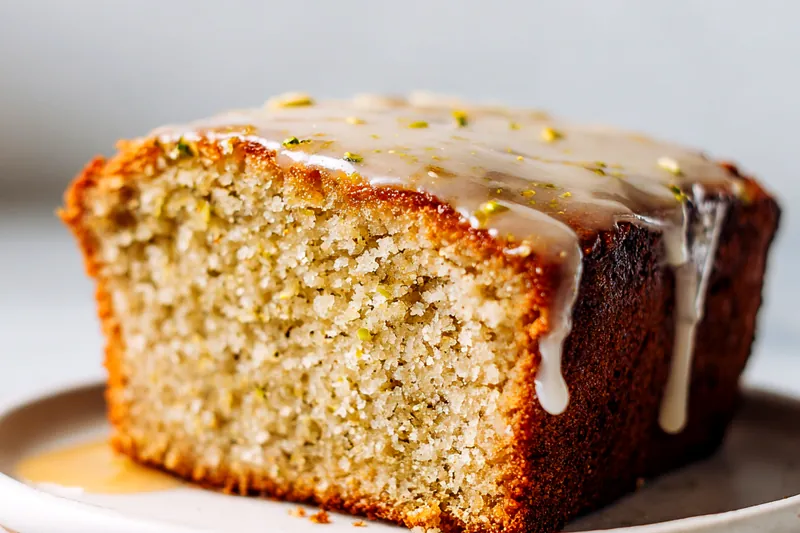
Mastering Pound Cake Technique
The creaming method is fundamental to pound cake success. When you beat butter and sugar together, you're creating tiny air pockets that will expand during baking, giving the cake its structure and tender crumb. This is why it's crucial to cream for the full 4-5 minutes until the mixture is noticeably lighter in color and fluffy in texture. Scrape down the bowl periodically to ensure even mixing. Adding eggs one at a time allows each egg to fully emulsify into the butter before adding the next, creating a stable batter that won't separate. If your mixture looks slightly curdled after adding eggs, don't worry - it will come together when you add the flour.
The alternating method of adding dry and wet ingredients is a classic technique that prevents overmixing. Start and end with the dry ingredients, mixing on low speed just until each addition disappears into the batter. Overmixing develops gluten, which makes the cake tough rather than tender. When folding in the pistachios at the end, use a gentle hand and a rubber spatula to maintain all that air you've incorporated. Baking at a lower temperature of 325°F allows the cake to bake evenly throughout without the exterior over-browning before the center is done. The long, slow bake creates that characteristic fine, even crumb that makes pound cake so irresistible.
The Perfect Glaze Consistency
Getting the glaze consistency right transforms your cake from homemade to bakery-worthy. Mix powdered sugar, milk, and vanilla together, adding milk gradually until the glaze falls off a spoon in thick ribbons. It should be thin enough to flow and create those beautiful drips but thick enough to set up and not slide completely off the cake. Apply the glaze when the cake is completely cool, working quickly to drizzle in artistic patterns before sprinkling with pistachios. The glaze will set within 15-20 minutes, creating a beautiful finish that adds sweetness and visual appeal.
Pistachio Pound Cake with Vanilla Glaze
📋 Ingredients
Cake Batter
- 1 cup powdered sugarSift if lumpy for smooth glaze
- 2-3 tablespoons whole milkAdd gradually for perfect consistency
- 1/2 teaspoon vanilla extractPure extract for best flavor
- 1/4 cup chopped pistachiosFor garnish on top of glaze
Vanilla Glaze
- 1 cup unsalted butter, softenedRoom temperature is crucial for proper creaming
- 2 cups granulated sugarBeat well with butter for light texture
- 4 large eggs, room temperatureAdd one at a time for best emulsification
- 1 teaspoon vanilla extractPure vanilla for best flavor
- 1/2 teaspoon almond extractEnhances the pistachio flavor beautifully
- 2 1/2 cups all-purpose flourSpoon and level for accurate measurement
- 1/2 teaspoon baking powderProvides gentle lift without compromising density
- 1/2 teaspoon saltBalances sweetness and enhances flavors
- 1/2 cup whole milk, room temperatureCold milk can cause batter to separate
- 1/2 cup sour cream, room temperatureCreates incredible moisture and tender crumb
- 1 cup shelled pistachios, roughly choppedUse raw, unsalted nuts for best results
Instructions
Prepare Pan and Preheat
Preheat your oven to 325°F. Generously butter and flour a 9x5-inch loaf pan, making sure to get into all corners. Tap out excess flour and set aside.
Cream Butter and Sugar
In a large mixing bowl, beat the softened butter and granulated sugar together on medium-high speed for 4-5 minutes until light, fluffy, and pale in color. Add eggs one at a time, beating well after each addition. Mix in vanilla and almond extracts until combined.
Combine Dry and Wet Ingredients
In a separate bowl, whisk together flour, baking powder, and salt. In another small bowl, combine milk and sour cream. Add the dry ingredients to the butter mixture in three additions, alternating with the milk mixture, beginning and ending with dry ingredients. Mix on low speed just until combined after each addition. Fold in chopped pistachios gently with a spatula.
Bake the Cake
Pour batter into the prepared loaf pan and smooth the top with a spatula. Bake for 60-70 minutes, or until a toothpick inserted into the center comes out with just a few moist crumbs. The top should be golden brown and spring back when lightly touched. Cool in pan for 15 minutes, then turn out onto a wire rack to cool completely.
Make Glaze and Decorate
Once cake is completely cool, whisk together powdered sugar, 2 tablespoons milk, and vanilla extract until smooth. Add more milk if needed to reach a pourable but thick consistency. Drizzle glaze over the top of the cake in zigzag patterns, allowing it to drip down the sides. Immediately sprinkle with chopped pistachios before the glaze sets. Let glaze set for 15-20 minutes before slicing.
Recipe Notes & Tips
Storage
Store the glazed cake in an airtight container at room temperature for up to 3 days, or refrigerate for up to one week. The cake can be frozen unglazed for up to 3 months - wrap tightly in plastic wrap then foil. Thaw completely before glazing and serving.
Serving Suggestions
Serve slices at room temperature with coffee or tea. For dessert, pair with vanilla ice cream, fresh berries, or whipped cream. This cake is perfect for brunch, afternoon tea, or as an elegant dessert. It also makes wonderful gifts when wrapped in cellophane with a ribbon.
Variations
Try substituting half the pistachios with white chocolate chips for a sweeter version. You can also add lemon zest to the batter and make a lemon glaze instead of vanilla. For a chocolate version, replace 1/2 cup flour with cocoa powder and use a chocolate glaze. Toast the pistachios before chopping for even deeper nutty flavor.