Matcha Crinkle Cookies
These stunning Matcha Crinkle Cookies combine the earthy, sophisticated flavor of Japanese green tea with the classic American crinkle cookie texture. The vibrant green color peeks through a snowy coating of powdered sugar, creating an eye-catching treat that's as beautiful as it is delicious. Perfect for spring celebrations, tea parties, or any time you want to impress with minimal effort.

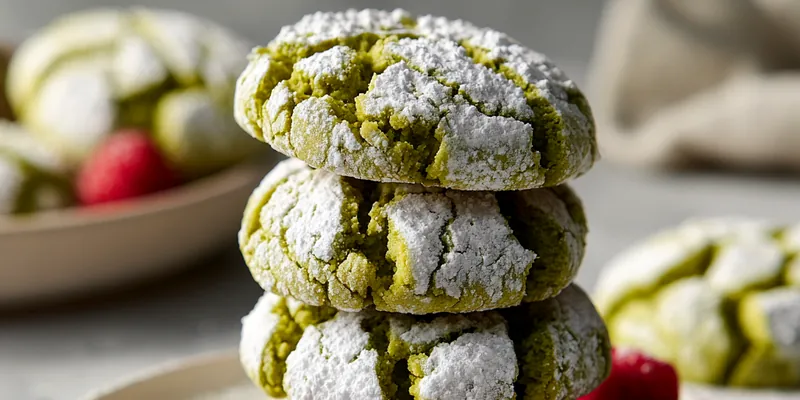
Why These Matcha Cookies Are Special
Matcha crinkle cookies stand out in the world of green tea desserts because they showcase matcha's flavor without overwhelming sweetness. The earthy, slightly bitter notes of quality matcha powder are perfectly balanced by just enough sugar to create a sophisticated treat that appeals to both matcha enthusiasts and curious newcomers. Unlike flat matcha cookies, the crinkle texture creates visual drama that makes these cookies Instagram-worthy while the cracks allow the powdered sugar to settle into beautiful patterns.
The soft, cake-like texture of these cookies comes from the careful balance of butter, eggs, and leavening. They're not crispy like traditional sugar cookies, but instead offer a tender, almost brownie-like bite that melts on your tongue. This texture is ideal for matcha because it allows the flavor to develop gradually as you eat, rather than hitting you all at once. The cookies stay soft for days when stored properly, making them excellent for gifting or preparing ahead for events.
💡 Professional Tip
Sift your matcha powder before adding it to the flour mixture to prevent clumps and ensure the vibrant green color is evenly distributed throughout your cookies. This extra 30 seconds makes a dramatic difference in appearance.
Frequently Asked Questions
Absolutely! The cookie dough can be prepared and refrigerated for up to 3 days before baking. You can also roll the dough into balls, coat them in powdered sugar, and freeze them on a baking sheet. Once frozen solid, transfer to a freezer bag for up to 3 months. Bake directly from frozen, adding 1-2 extra minutes to the baking time.
Use culinary-grade matcha powder rather than ceremonial grade for baking. Culinary matcha is more affordable and designed to withstand heat, while ceremonial grade is meant for traditional tea preparation. Look for bright green color and avoid dull, brownish matcha which indicates lower quality or age. Japanese brands like Mizuba, Encha, or Jade Leaf are reliable choices.
Chilling the dough for at least 30 minutes serves multiple purposes: it prevents the cookies from spreading too thin during baking, allows the matcha flavor to develop more fully, and makes the dough easier to handle when rolling into balls. Chilled dough also creates better crack patterns because the outer powdered sugar coating sets quickly in the hot oven.
For gluten-free cookies, use a 1:1 gluten-free baking flour blend with xanthan gum. The texture will be slightly more delicate but still delicious. Avoid substituting with almond flour or coconut flour alone as they won't provide the structure needed for the signature crinkle pattern. Cake flour can be used for an even more tender cookie, but reduce the amount by 2 tablespoons.
The cookies are done when the edges appear set and the centers still look slightly soft and puffy. They should have developed deep cracks showing the bright green interior, but the centers might look almost underbaked. This is perfect! The cookies will continue cooking on the hot pan and firm up as they cool. Overbaking will result in dry, crumbly cookies instead of soft, chewy ones.
These cookies pair beautifully with hot matcha lattes, green tea, or even espresso. For a dessert presentation, serve alongside fresh berries (raspberries and strawberries work especially well), vanilla ice cream, or white chocolate mousse. They're also wonderful with a simple glass of cold milk. For a Japanese-inspired tea service, arrange them on a plate with mochi and fresh fruit.
Yes! White chocolate chips are the most popular addition - fold in 3/4 cup after mixing the dough. Chopped dried cranberries or cherries add tartness that complements matcha's earthy flavor. For texture contrast, try adding 1/2 cup chopped macadamia nuts or pistachios. Avoid dark chocolate as it can overpower the delicate matcha taste.
Store cooled cookies in an airtight container at room temperature for up to 5 days, placing parchment paper between layers to prevent sticking. They stay remarkably soft when properly sealed. For longer storage, freeze baked cookies in a freezer-safe container for up to 3 months. Thaw at room temperature for 30 minutes before serving. The powdered sugar coating may need refreshing after storage.
Recipe Troubleshooting Guide
Cookies Spread Too Much
Problem: Cookies flatten during baking and lose their thick, crinkled appearance, becoming thin and crispy.
Solution: This happens when the dough is too warm or hasn't been chilled long enough. Make sure to refrigerate the dough for at least 30 minutes (or up to 1 hour for best results) before shaping. Also ensure your butter was softened but not melted when mixing - it should hold its shape but be easily pressed with a finger.
Not Enough Cracks
Problem: The powdered sugar coating stays smooth without developing the signature crinkle pattern.
Solution: Roll the dough balls more generously in powdered sugar - don't be shy! The coating should be thick and completely white. Also, make sure your oven is fully preheated to 350°F before baking. The rapid temperature change between cold dough and hot oven creates the dramatic cracks. Using fresh baking powder is also crucial for proper rising.
Green Color Is Dull
Problem: The matcha color appears brownish or muddy rather than vibrant green.
Prevention: This indicates either old or low-quality matcha powder, or overbaking. Always use fresh, bright green culinary matcha stored in the refrigerator or freezer to preserve color. Sift the matcha before adding to remove clumps. Remove cookies from the oven when centers still look slightly underbaked - they should be vibrant green inside, not khaki colored.
Cookies Are Too Dry
Problem: The finished cookies are crumbly, dry, or hard rather than soft and tender.
Recovery: You've likely overbaked them or measured too much flour. When measuring flour, spoon it into your measuring cup and level off rather than scooping directly from the bag (which compacts it). Reduce baking time by 1-2 minutes and remove when centers still look soft. Also ensure you're not over-mixing the dough after adding flour, which develops gluten and creates toughness.
Bitter or Chalky Taste
Problem: The cookies have an unpleasant bitter or chalky aftertaste rather than pleasant matcha flavor.
Prevention: This usually means too much matcha powder was added, or low-quality matcha was used. Stick to exactly 2 tablespoons - more doesn't mean better! If you prefer stronger matcha flavor, increase to 2.5 tablespoons maximum. Invest in quality culinary-grade matcha from reputable Japanese brands. Very cheap matcha often has added fillers that create chalky texture.
Flavor Balance Issues
Too Sweet: If cookies taste too sweet and mask the matcha flavor, reduce granulated sugar to 3/4 cup and increase matcha powder by 1/2 tablespoon for more earthy balance.
Too Salty: If cookies taste too salty, reduce salt to 1/8 teaspoon. The matcha's natural umami can amplify saltiness, so less is more.
Bland: If flavor seems flat, ensure you're using fresh matcha and add an extra 1/2 teaspoon vanilla extract. A tiny pinch of espresso powder (optional) can also enhance the matcha flavor without adding coffee taste.
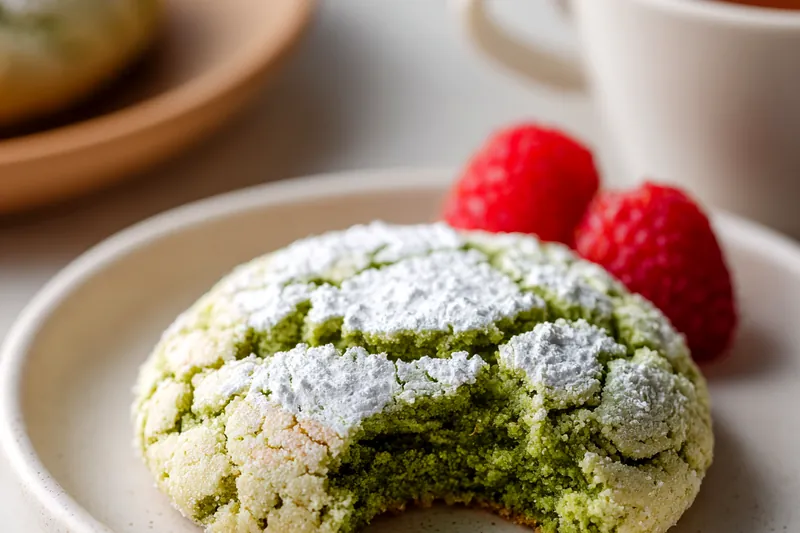
Choosing Quality Ingredients
The star ingredient in these cookies is matcha powder, and quality makes an enormous difference. Culinary-grade matcha should be a vibrant, almost neon green color - if it looks yellowish, brownish, or dull, it's either old or poor quality. Store matcha in an airtight container in the refrigerator or freezer to preserve its color and flavor, as it degrades quickly when exposed to light and heat. Japanese-grown matcha from regions like Uji or Nishio tends to be higher quality than Chinese versions, though good culinary matcha from any origin will work beautifully.
For the butter, using unsalted allows you to control the salt level precisely, and it should be softened to room temperature for proper creaming. Don't microwave cold butter to soften it quickly - this partially melts it and affects the cookie texture. Plan ahead and leave it on the counter for 30-60 minutes. Fresh baking powder is essential for the rise that creates those dramatic cracks, so check your expiration date. For the milk, whole milk provides the richest flavor, but 2% works fine if that's what you have on hand.
Essential Ingredient Notes
- Matcha Powder: Select culinary-grade matcha with bright green color and smooth texture. Store in the refrigerator or freezer in an airtight container away from light. Sift before using to remove any clumps that formed during storage.
- Unsalted Butter: Use European-style butter with higher fat content (82-86%) for richer flavor and more tender cookies. Soften at room temperature until it leaves a slight indent when pressed but still holds its shape - not melted or greasy.
- Powdered Sugar: Use pure powdered sugar (confectioners' sugar) without any anti-caking agents for the coating. The finer the powder, the more beautiful and delicate the crackled appearance. Sift if clumpy for the smoothest coating.
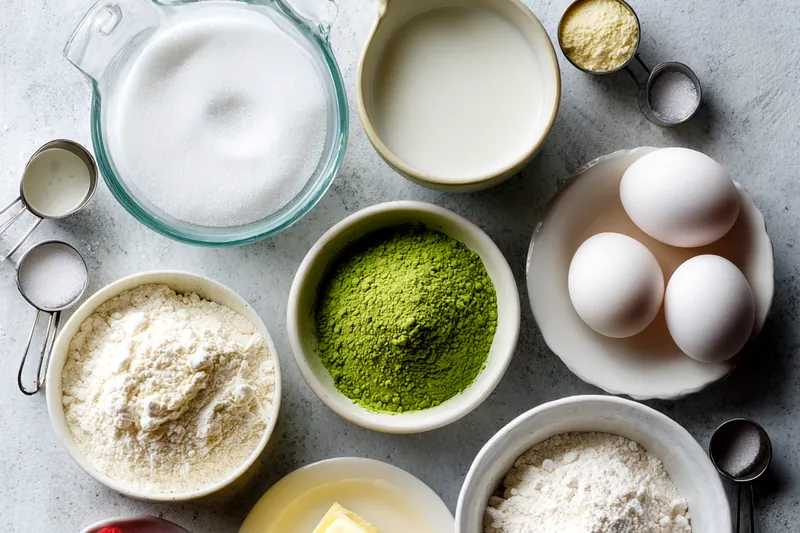
Mastering the Crinkle Technique
The signature crinkle appearance comes from the interaction between the powdered sugar coating and the expanding cookie dough during baking. When cold, sugar-coated dough balls hit the hot oven, the exterior sets quickly while the interior continues to expand and rise, creating those dramatic cracks. This is why chilling the dough is non-negotiable - warm dough spreads too quickly and won't develop the pattern. The generosity of your powdered sugar coating also matters significantly; a thin dusting won't crack as dramatically as a thick, almost excessive coating.
Baking temperature and timing are crucial for both texture and appearance. An oven that's too hot will set the exterior so quickly that the interior can't push through, resulting in fewer cracks. Too cool, and the cookies spread before the coating sets. A properly calibrated 350°F oven is ideal. Don't crowd the baking sheet - give each cookie plenty of space to spread and crack. The cookies are done when they look almost underbaked in the center; they'll firm up during cooling and maintain that soft, tender texture we're after.
The Perfect Powdered Sugar Roll
Place powdered sugar in a shallow bowl. Roll each dough ball between your palms until perfectly round, then drop it into the sugar. Use your fingers to roll and press the sugar into all sides of the ball, ensuring complete coverage with a thick layer. The sugar should be visibly thick on the surface - you shouldn't see much green showing through. This generous coating is what creates those stunning white cracks against the vibrant green interior.
Matcha Crinkle Cookies
📋 Ingredients
Cookie Dough
Coating
- 2 cups all-purpose flourSpoon and level for accurate measurement
- 2 tablespoons culinary-grade matcha powderMust be bright green, not brownish
- 2 teaspoons baking powderCheck expiration date for best rise
- 1/4 teaspoon saltBalances sweetness and enhances flavor
- 1/2 cup unsalted butter, softenedShould be room temperature, not melted
- 1 cup granulated sugarCreates tender texture when creamed with butter
- 2 large eggsRoom temperature eggs mix more easily
- 1 teaspoon vanilla extractPure vanilla enhances matcha flavor
- 2 tablespoons whole milkAdds moisture and tender crumb
- 1 cup powdered sugar for coatingCreates the signature crinkle appearance
Instructions
Prepare Dry Ingredients
In a medium bowl, whisk together flour, matcha powder, baking powder, and salt until the matcha is evenly distributed with no clumps. Set aside.
Cream Butter and Sugar
In a large bowl, beat softened butter and granulated sugar until light and fluffy, about 3-4 minutes. Add eggs one at a time, beating well after each addition. Mix in vanilla extract and milk.
Combine and Chill
Gradually add the dry ingredients to the wet ingredients, mixing just until combined. The dough will be soft and slightly sticky. Cover and refrigerate for 30 minutes to 1 hour.
Shape and Coat
Preheat oven to 350°F (175°C). Line baking sheets with parchment paper. Roll dough into 1-inch balls, then roll generously in powdered sugar until completely coated.
Bake to Perfection
Place cookies 2 inches apart on prepared baking sheets. Bake for 11-13 minutes until edges are set but centers still look slightly soft. They will have beautiful cracks showing the green interior.
Cool and Serve
Let cookies cool on baking sheet for 5 minutes before transferring to a wire rack. The cookies will firm up as they cool. Dust with additional powdered sugar if desired.
Recipe Notes & Tips
Storage
Store in an airtight container at room temperature for up to 5 days. Layer with parchment paper to prevent sticking. Freeze baked cookies for up to 3 months, or freeze shaped, sugar-coated dough balls to bake fresh anytime.
Serving Suggestions
Serve with hot matcha lattes, green tea, or coffee. Beautiful for spring celebrations, afternoon tea parties, or Asian-inspired dessert spreads. Pair with fresh berries, vanilla ice cream, or white chocolate for an elegant presentation.
Variations
Add 3/4 cup white chocolate chips for extra sweetness, or fold in chopped pistachios for crunch and color contrast. For stronger matcha flavor, increase to 2.5 tablespoons powder. Try adding 1/4 teaspoon almond extract alongside vanilla for depth.