Maple Bacon Sweet Potato Hash with Caramelized Onions
This maple bacon sweet potato hash combines crispy caramelized sweet potatoes with smoky bacon and a touch of maple sweetness for the ultimate comfort breakfast. The secret is getting a beautiful golden crust on the sweet potatoes while keeping them tender inside. Perfect for weekend brunch, meal prep, or any morning when you want something truly special.

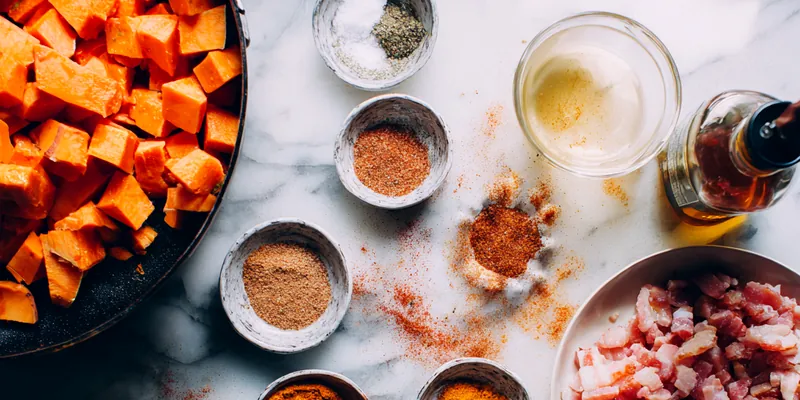
The Secret to Perfect Sweet Potato Hash
The key to exceptional sweet potato hash lies in achieving the perfect balance between a caramelized exterior and tender interior. This requires proper heat management and resisting the urge to stir too frequently. When sweet potatoes hit hot bacon fat and sit undisturbed, the natural sugars caramelize and create a golden crust that adds incredible texture and depth of flavor. The starch on the surface transforms into a crispy shell while the inside steams to creamy perfection.
Cutting your sweet potatoes into uniform half-inch cubes ensures even cooking throughout the hash. Pieces that are too large won't cook through before burning, while pieces that are too small will turn mushy before developing that coveted crust. The bacon fat serves as both cooking medium and flavor enhancer, infusing the sweet potatoes with smoky richness that complements their natural sweetness. This technique creates layers of flavor that simply cannot be achieved with oil alone.
💡 Professional Tip
Always pat your diced sweet potatoes completely dry with paper towels before adding them to the hot pan. Excess moisture creates steam instead of caramelization, preventing that golden crust from forming.
Frequently Asked Questions
Yes, you can prep the components ahead. Cook the bacon and dice the sweet potatoes and onions up to 24 hours in advance, storing them separately in the refrigerator. When ready to serve, bring the sweet potatoes to room temperature for 15 minutes, then proceed with cooking. The hash is best served fresh for optimal crispiness, but you can also fully prepare it and reheat in a hot skillet for 5-7 minutes to restore the texture.
While you can use regular potatoes, they will create a different dish with less natural sweetness. If substituting, use Yukon Gold potatoes and increase the maple syrup to 4 tablespoons to maintain the sweet-savory balance. Regular potatoes also take slightly longer to cook through, so add 3-5 minutes to the cooking time and ensure they're fork-tender before finishing.
A heavy-bottomed stainless steel or non-stick skillet works well, though cast iron provides superior heat retention for the best caramelization. If using stainless steel, reduce the heat slightly to prevent sticking and be prepared to deglaze with a splash of water if the fond becomes too dark. Non-stick pans work but won't develop quite as much caramelized crust.
Absolutely! Replace the bacon with coconut bacon or smoked tempeh for a smoky element, and use 3 tablespoons of olive oil or vegan butter instead of bacon fat. Add an extra 1/2 teaspoon of smoked paprika and a few drops of liquid smoke to replicate that bacon flavor. You can also add toasted pecans or walnuts for additional texture and richness.
The hash is ready when the sweet potatoes are fork-tender throughout and have developed deep golden-brown caramelized spots on multiple sides. The edges should look crispy and slightly charred, while a fork should slide through easily without resistance. The onions should be softened and translucent with golden edges, and the entire hash should have a glossy sheen from the maple glaze.
This hash pairs beautifully with fried or poached eggs on top, allowing the runny yolk to create a rich sauce. Serve alongside buttered toast, fresh fruit salad, or avocado slices for a complete breakfast. For brunch, pair it with mimosas or fresh-squeezed orange juice. The hash also works as a dinner side dish with roasted chicken or pork chops.
Yes! Bell peppers, mushrooms, and Brussels sprouts work wonderfully in this hash. Add diced bell peppers with the onions, sliced mushrooms in the last 5 minutes of cooking, or halved Brussels sprouts at the beginning with the sweet potatoes. You can also add fresh spinach or kale in the final minute, stirring until just wilted. Keep the total vegetable volume similar to avoid overcrowding the pan.
Store leftover hash in an airtight container in the refrigerator for up to 4 days. Reheat in a skillet over medium-high heat with a small pat of butter, spreading the hash in a single layer and letting it sit for 2-3 minutes to re-crisp the bottom before stirring. You can also reheat in a 400°F oven on a baking sheet for 10-12 minutes. Avoid microwaving as it makes the hash soggy.
Recipe Troubleshooting Guide
Sweet Potatoes Are Mushy
Problem: The sweet potatoes have broken down into a mash instead of maintaining distinct cubes with crispy edges.
Solution: This happens from overcrowding the pan or stirring too frequently. Use a larger skillet to ensure sweet potatoes are in a single layer with space between cubes. Only stir every 4-5 minutes to allow proper caramelization. Also ensure your heat is at true medium, not medium-low, which steams rather than sears.
Hash Is Sticking to the Pan
Problem: The sweet potatoes are stuck to the bottom of the pan and tearing when you try to flip them.
Solution: Let the sweet potatoes sit undisturbed longer before attempting to stir. They'll naturally release from the pan once a proper crust forms. If using stainless steel, deglaze with 2 tablespoons of water or broth to loosen the fond. Make sure you reserved enough bacon fat and consider adding an extra tablespoon of butter.
Bacon Is Burning
Problem: The bacon becomes too dark or burnt during the long cooking process with the sweet potatoes.
Prevention: Always remove the bacon from the pan after cooking it separately and only add it back in the final 2 minutes. If your bacon is very thin, cook it to just crispy (not extra-crispy) so it can withstand the final heating without burning. You can also crumble it on top as a garnish instead of mixing it in.
Sweet Potatoes Aren't Browning
Problem: The sweet potatoes are cooking through but remaining pale without developing caramelization.
Recovery: Increase your heat to medium-high and ensure the sweet potatoes are completely dry before adding to the pan. Moisture is the enemy of browning. Don't overcrowd the pan, and resist stirring for at least 5 minutes to allow the Maillard reaction to occur. If needed, cook in two batches for better results.
Hash Is Too Dry
Problem: The finished hash looks dry and lacks the glossy, cohesive appearance shown in photos.
Prevention: Add an extra tablespoon of butter in the final minutes of cooking, and make sure you're using the full amount of maple syrup for the glaze. The maple syrup should coat everything and create a slight sheen. If the hash still looks dry, add a tablespoon of bacon fat or butter and toss until everything glistens.
Flavor Balance Issues
Too Sweet: If the hash tastes too sweet, reduce maple syrup to 2 tablespoons and add a squeeze of fresh lemon juice to brighten the flavors. Increase black pepper slightly.
Too Salty: If too salty from the bacon, skip adding additional salt and serve with a dollop of plain Greek yogurt or sour cream to balance. Use low-sodium bacon next time.
Bland: If bland, the issue is likely underseasoning during cooking. Season the sweet potatoes immediately when they hit the pan, and finish with flaky sea salt. Add a pinch of red pepper flakes for heat.
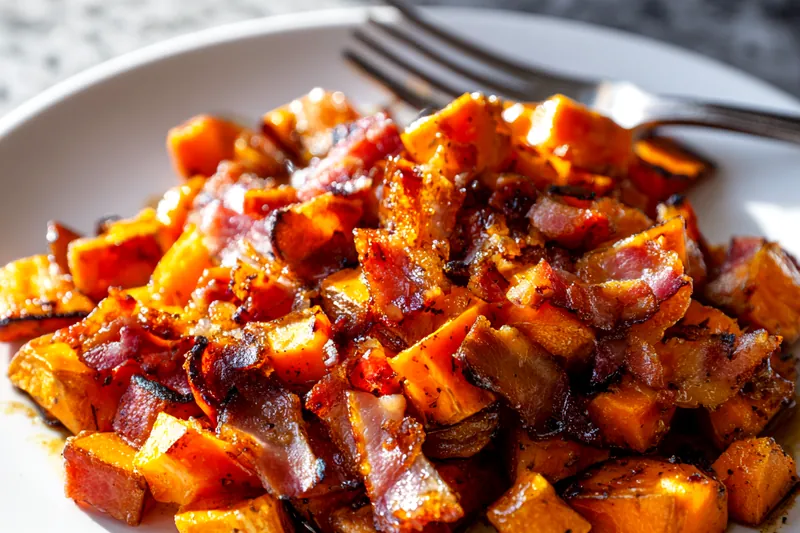
Choosing the Right Ingredients for Maximum Flavor
Sweet potato selection significantly impacts the final dish. Choose medium-sized sweet potatoes with smooth, unblemished skin and no soft spots. The orange-fleshed varieties work best for this recipe as they maintain their shape better than the white or purple varieties while still becoming tender. Look for sweet potatoes that feel heavy for their size, indicating they're fresh and haven't lost moisture. Avoid any with sprouting eyes or a musty smell, which signals they're past their prime.
For bacon, thick-cut is essential to this recipe's success. Thin bacon will overcook and become brittle, while thick-cut maintains some chew even when crispy. Look for bacon with good fat marbling for maximum flavor and enough rendered fat to cook the sweet potatoes. Applewood or hickory-smoked varieties complement the maple syrup beautifully. When it comes to maple syrup, always use pure maple syrup rather than pancake syrup, which contains corn syrup and artificial flavors that can't replicate the complex, earthy sweetness of the real thing.
Essential Ingredient Notes
- Sweet Potatoes: Use firm, medium-sized sweet potatoes for the best texture. The orange-fleshed varieties hold their shape during cooking while developing natural caramelization. Store at room temperature away from onions, and use within a week of purchase for optimal freshness and sweetness.
- Thick-Cut Bacon: Choose applewood or hickory-smoked thick-cut bacon with visible fat marbling. The thick cut prevents the bacon from becoming too crispy and allows it to hold up when reincorporated at the end. Look for bacon without added sugar for better control over the final sweetness level.
- Pure Maple Syrup: Grade A Dark Amber maple syrup provides the perfect balance of sweetness and complexity. Avoid pancake syrups which contain corn syrup and won't caramelize properly. The real maple syrup creates a glossy glaze and adds depth that complements the bacon's smokiness.
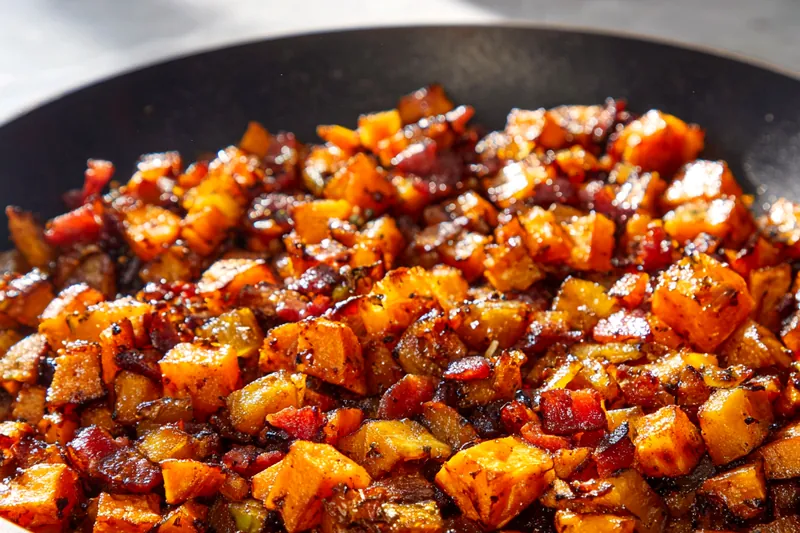
Mastering the Caramelization Technique
The caramelization process is what elevates this hash from good to extraordinary. When sweet potatoes meet hot bacon fat at the right temperature, their natural sugars undergo the Maillard reaction, creating complex flavors and that sought-after golden-brown crust. The key is patience and proper heat control. Medium heat allows the interior to cook through while the exterior caramelizes without burning. If the heat is too high, the outside chars before the inside softens. Too low, and you'll end up with steamed, pale sweet potatoes that lack character.
Layering is equally important for achieving perfect caramelization. When you add the sweet potatoes to the pan, spread them in a single layer with slight space between cubes. This allows hot air to circulate and moisture to evaporate rather than trapping steam. The first five-minute rest without stirring is crucial for developing that initial crust. Each subsequent stir should be minimal, allowing new surfaces to contact the hot pan and develop their own caramelization. The final maple glaze should be added only in the last two minutes, creating a glossy coating that enhances rather than hinders the crispy texture you've worked to achieve.
The Perfect Sear Technique
To achieve restaurant-quality caramelization, ensure your skillet is properly preheated before adding ingredients. Heat the bacon fat until it shimmers but doesn't smoke. Add sweet potatoes in a single layer and resist all urges to stir for the first 5 minutes. You'll hear them sizzle and may see smoke, which is normal. When you do stir, use a thin metal spatula to scrape under the sweet potatoes, releasing that flavorful fond. This technique creates multiple caramelized surfaces while keeping the interior tender.
Maple Bacon Sweet Potato Hash with Caramelized Onions
📋 Ingredients
Main Ingredients
- 3 tablespoons pure maple syrupGrade A Dark Amber for best flavor - creates the signature glaze
- 2 tablespoons butterUnsalted preferred - adds richness and helps with caramelization
- 2 cloves garlic, mincedFresh only - add in the last 2 minutes to prevent burning
Seasonings & Finishing
- 3 medium sweet potatoes (about 1.5 lbs), peeled and diced into 1/2-inch cubesOrange-fleshed variety - uniform dice ensures even cooking
- 8 strips thick-cut bacon, choppedApplewood or hickory smoked - provides cooking fat and flavor
- 1 large yellow onion, dicedYellow or sweet onion - caramelizes beautifully with the sweet potatoes
- 1 teaspoon smoked paprikaEnhances the smoky bacon flavor - regular paprika works too
- 1/2 teaspoon black pepperFreshly ground for best flavor
- 1/4 teaspoon cayenne pepper (optional)Adds subtle heat that balances the sweetness
- 2 tablespoons fresh thyme leavesFresh herbs brighten the rich flavors - rosemary also works
- Sea salt to tasteFlaky sea salt for finishing adds texture and flavor
- Fresh chives for garnishChopped - adds fresh onion flavor and visual appeal
Instructions
Cook the Bacon
In a large cast iron skillet over medium heat, cook the chopped bacon until crispy, about 8-10 minutes, stirring occasionally to ensure even cooking. Remove bacon with a slotted spoon and set aside on paper towels to drain, leaving exactly 3 tablespoons of bacon fat in the pan. If you have more than 3 tablespoons, pour off the excess and save for another use. If you have less, supplement with butter or olive oil.
Start the Sweet Potatoes
Increase heat to medium-high and add the diced sweet potatoes to the hot bacon fat, spreading them in a single layer. Sprinkle with smoked paprika, black pepper, and cayenne pepper if using. Let cook undisturbed for 5 full minutes to develop a golden crust on the bottom. You should hear steady sizzling - if it's too quiet, increase the heat slightly.
Add Aromatics and Continue Cooking
Add the butter and diced onions to the pan, stirring everything together to combine. Continue cooking for 10-12 minutes, stirring every 3-4 minutes to develop caramelization on multiple sides of the sweet potatoes. The sweet potatoes should be fork-tender and the onions softened and golden. In the last 2 minutes, add the minced garlic and fresh thyme leaves, stirring to distribute evenly.
Finish with Maple Glaze
Return the crispy bacon to the pan and drizzle the maple syrup evenly over the entire hash. Toss gently but thoroughly to coat everything in the maple glaze. Cook for 2 minutes, allowing the maple syrup to reduce slightly and create a glossy coating. Taste and adjust seasoning with sea salt if needed. Transfer to a serving platter, garnish with fresh chopped chives, and serve immediately while hot and crispy.
Recipe Notes & Tips
Storage
Store leftover hash in an airtight container in the refrigerator for up to 4 days. Reheat in a hot skillet with a pat of butter to restore crispiness, or in a 400°F oven for 10-12 minutes. The hash can be frozen for up to 2 months - thaw overnight in the refrigerator before reheating. Note that the texture won't be quite as crispy after freezing.
Serving Suggestions
This hash is incredibly versatile. Top with fried or poached eggs for a complete breakfast, or serve alongside scrambled eggs and toast. For brunch, pair with fresh fruit and mimosas. It also works beautifully as a dinner side dish with roasted chicken, pork chops, or grilled salmon. Add crumbled goat cheese or feta on top for extra richness.
Variations
Make it vegetarian by substituting coconut bacon or smoked tempeh for the bacon and using olive oil instead of bacon fat. Add diced bell peppers for extra color and nutrition. Try sweet Italian sausage instead of bacon for a different flavor profile. For a spicier version, add diced jalapeños with the onions. You can also use butternut squash instead of sweet potatoes for a slightly different texture.