Juicy Hawaiian Chicken with Grilled Pineapple
This Juicy Hawaiian Chicken brings the flavors of the tropics straight to your dinner table with tender chicken thighs glazed in a sweet and tangy pineapple teriyaki sauce. The combination of caramelized pineapple, savory chicken, and colorful bell peppers creates a meal that's both beautiful and delicious. Perfect for busy weeknights or weekend gatherings, this dish delivers restaurant-quality flavor with minimal effort.


Why This Hawaiian Chicken Recipe Works
The magic of this Hawaiian Chicken lies in the perfectly balanced sauce that combines sweet, savory, and tangy elements. Using both pineapple juice and actual pineapple rings gives you layers of tropical flavor - the juice infuses the sauce while the rings caramelize to create those beautiful char marks and concentrated sweetness. The soy sauce provides umami depth, while brown sugar adds molasses notes that complement the fruit beautifully.
Chicken thighs are the ideal cut for this recipe because they stay incredibly juicy even when cooked at higher heat, and their slightly higher fat content helps them absorb the sauce better than chicken breasts would. The cornstarch slurry added at the end transforms the sauce into a glossy glaze that clings to every piece of chicken and pineapple, creating that signature restaurant-style finish. The addition of fresh ginger and garlic elevates this beyond a simple sweet chicken dish, adding aromatic complexity that makes each bite interesting.
💡 Professional Tip
Always reserve half of your sauce before it touches raw chicken - this ensures you have a safe, flavorful glaze for finishing. The sauce that marinates the chicken must be discarded, but your reserved portion becomes the star of the show.
Frequently Asked Questions
Yes! You can marinate the chicken in the sauce up to 24 hours in advance, which actually deepens the flavor. You can also prepare the sauce components ahead and store them separately in the refrigerator for up to 3 days. However, for the best texture, cook the chicken fresh rather than reheating it, as the skin loses its crispiness when stored. If you must reheat, do so in a hot oven at 400°F for 10-12 minutes rather than microwaving.
Absolutely! Chicken breasts work well in this recipe, though they require slightly less cooking time - about 4-5 minutes per side instead of 5-6 minutes. Because breasts are leaner, watch them carefully to avoid overcooking, and consider pounding them to even thickness for uniform cooking. The internal temperature should reach 165°F. Breasts won't be quite as juicy as thighs, so don't skip the sauce glazing step at the end.
Yes, this recipe is fantastic on the grill! Marinate the chicken as directed, then grill over medium-high heat for 6-7 minutes per side, basting with the reserved sauce during the last few minutes. Grill the pineapple rings separately for 2-3 minutes per side. Make the sauce glaze in a small pot on the stove or side burner, then drizzle over the finished chicken. The grill adds wonderful smoky notes that complement the sweet pineapple beautifully.
Canned pineapple rings work perfectly and are actually more convenient - just be sure to reserve the juice for the sauce. Fresh pineapple can be used but requires more prep work (peeling, coring, and slicing). Avoid pineapple packed in heavy syrup as it's too sweet; choose juice-packed or in its own juice. Frozen pineapple chunks can work in a pinch but won't give you the nice rings for presentation - thaw and drain them well before using.
The chicken is done when it reaches an internal temperature of 165°F in the thickest part when checked with a meat thermometer. Visually, the chicken should be golden brown with no pink remaining when you cut into the thickest piece, and the juices should run clear. The sauce should be thick enough to coat the back of a spoon and have a glossy appearance. If the pineapple rings have dark caramelized grill marks and are tender when pierced with a fork, they're perfect.
This Hawaiian Chicken pairs beautifully with steamed white or brown jasmine rice, which soaks up the delicious sauce. Coconut rice is an especially tropical pairing. For vegetables, try steamed broccoli, snap peas, or bok choy. A simple cucumber salad with rice vinegar dressing adds refreshing crunch. For a complete island-style meal, serve with macaroni salad (Hawaiian-style) and a side of fresh fruit. The dish is substantial enough that you really just need a starch and one green vegetable.
Definitely! Increase the red pepper flakes to 1/2 teaspoon or add 1-2 teaspoons of sriracha or sambal oelek to the sauce. Fresh sliced jalapeños or Thai chilies can be added with the bell peppers for more heat and visual appeal. For a spicy-sweet glaze, add a tablespoon of chili garlic sauce. Start conservatively and taste as you go - you can always add more heat but can't take it away. A squeeze of fresh lime at the end brightens the heat and balances the sweetness.
Store leftover Hawaiian Chicken in an airtight container in the refrigerator for up to 3 days. Keep the sauce separate if possible to prevent the chicken from getting soggy. To reheat, place in a covered dish with a tablespoon of water and microwave for 2-3 minutes, or reheat in a 350°F oven for 12-15 minutes. The pineapple rings can become softer when reheated but are still delicious. This dish can be frozen for up to 2 months - thaw overnight in the refrigerator before reheating.
Recipe Troubleshooting Guide
Sauce Is Too Thin
Problem: The sauce remains watery and won't thicken even after adding the cornstarch slurry.
Solution: Make sure your cornstarch slurry is well-mixed with no lumps before adding it to the sauce. The sauce must be at a simmer (not just warm) for the cornstarch to activate and thicken properly. If it's still thin, mix another tablespoon of cornstarch with a tablespoon of cold water and add it gradually while stirring. Allow it to cook for 2-3 minutes after each addition. If you added the slurry to cold sauce, it won't work - reheat the sauce to simmering and try again.
Chicken Is Dry
Problem: The chicken turned out dry and tough instead of juicy.
Solution: This usually means overcooking. Chicken thighs should reach 165°F internal temperature but not go much higher. Use a meat thermometer to check doneness rather than relying solely on time. If using chicken breasts, they're even more prone to drying out - reduce cooking time by 2 minutes per side. Next time, don't skip the marinating step, and make sure to glaze the chicken with sauce during the final cooking phase to add moisture back. Consider using bone-in, skin-on thighs for maximum juiciness.
Pineapple Burns Before Caramelizing
Problem: The pineapple rings are getting black and burnt rather than nicely caramelized.
Prevention: Your heat is too high. Pineapple has natural sugars that burn quickly over high heat. Reduce to medium heat and pat the pineapple rings dry with paper towels before adding them to the pan - excess moisture prevents proper caramelization. Cook for just 2-3 minutes per side and watch closely. If your pan is too crowded, the pineapple will steam instead of caramelize - work in batches if needed. A little char is good, but if it's smoking and turning black, remove immediately and lower the heat.
Sauce Is Too Sweet
Problem: The finished dish tastes overly sweet and cloying.
Recovery: Balance the sweetness by adding more acid. Stir in an extra tablespoon of rice vinegar or squeeze fresh lime juice over the finished dish. You can also add a splash more soy sauce to increase the salty-savory notes. For future batches, reduce the brown sugar to 1/4 cup instead of 1/3 cup. Adding a pinch more red pepper flakes or fresh grated ginger also helps cut through the sweetness. Remember that different brands of pineapple and ketchup vary in sugar content.
Chicken Won't Brown Properly
Problem: The chicken remains pale and won't develop a golden crust.
Prevention: Pat the chicken completely dry with paper towels before cooking - moisture prevents browning. Make sure your pan is properly preheated before adding the chicken; it should sizzle immediately when it hits the pan. Don't overcrowd the pan, which traps steam and prevents browning - cook in batches if necessary. Use medium-high heat, not medium. Resist the urge to move the chicken around; let it sit undisturbed for the full 5-6 minutes to develop a proper crust. If your marinade has too much sugar, it can burn before browning - that's why we discard the marinade and use fresh sauce.
Flavor Balance Issues
Too Sweet: Add 1-2 tablespoons rice vinegar, a squeeze of fresh lime juice, or an extra tablespoon of soy sauce to balance sweetness. A pinch of red pepper flakes can also help.
Too Salty: Add 1-2 tablespoons of pineapple juice, a teaspoon of honey, or more brown sugar to balance excess saltiness. Serve over plain rice which will absorb some salt.
Bland: Increase garlic to 5 cloves, double the fresh ginger, and add a tablespoon of sesame oil. Finish with flaky sea salt and a squeeze of lime. Make sure you're not skipping the marinating step.
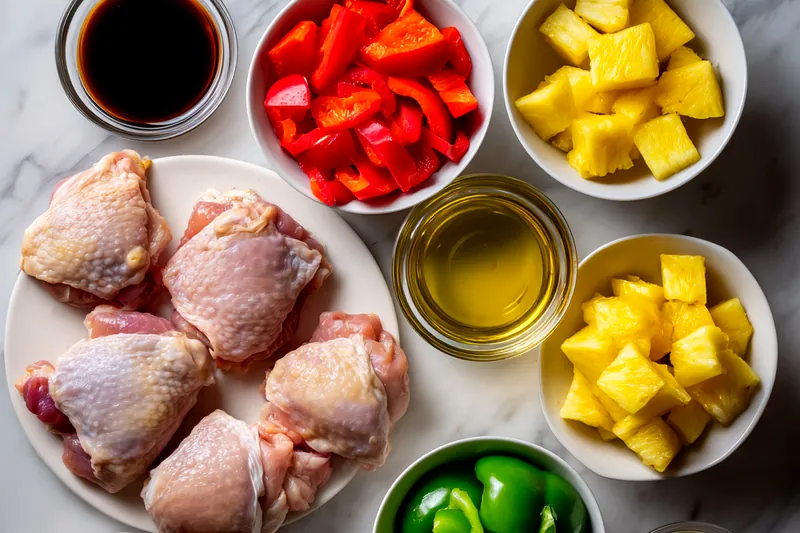
Choosing the Best Ingredients for Hawaiian Chicken
The quality of your ingredients directly impacts the final dish, starting with the chicken itself. Boneless, skinless chicken thighs are preferred because they remain moist and tender even with the relatively high heat needed to caramelize the sauce. If you can find organic or free-range chicken, you'll notice a difference in flavor and texture. For the pineapple, canned rings packed in 100% juice (not syrup) work wonderfully and are consistent year-round, though fresh pineapple offers a slightly more vibrant, tangy flavor if you have the time to prepare it.
When it comes to the sauce components, use a good-quality soy sauce - low-sodium is preferable so you can control the salt level. Fresh garlic and ginger are non-negotiable; the jarred versions lack the aromatic punch that makes this dish special. Use dark brown sugar rather than light for deeper molasses notes that complement the tropical flavors. Rice vinegar is milder than white or apple cider vinegar, providing tang without overwhelming sharpness. Pure sesame oil (not toasted) adds subtle nuttiness - a little goes a long way, so measure carefully.
Essential Ingredient Notes
- Chicken Thighs: Choose thighs that are similar in size for even cooking. If they're very thick, butterfly them by cutting horizontally (but not all the way through) and opening like a book. This creates a more uniform thickness. Remove any excess fat around the edges, but don't remove all the fat - it keeps the chicken moist and flavorful. Room temperature chicken cooks more evenly than cold chicken straight from the fridge, so let it sit out for 15 minutes before cooking.
- Fresh Pineapple: When selecting fresh pineapple, smell the bottom - it should have a sweet, fruity aroma. The leaves should be green and fresh-looking, and the pineapple should feel heavy for its size. To prepare, cut off the top and bottom, stand it upright, and slice off the skin in strips. Cut into 1/2-inch thick rings and use a small round cutter or knife to remove the tough core from each ring. Canned pineapple is more convenient and works perfectly well - just save that juice!
- Fresh Ginger: Look for ginger root that's firm with smooth, tight skin - wrinkled skin indicates it's old and dried out. Young ginger has thinner skin and is less fibrous. To prep, peel with the edge of a spoon (easier than a knife and wastes less), then grate on a microplane or fine grater. Fresh ginger adds a bright, spicy warmth that ground ginger can't replicate. Store ginger root in the freezer for up to 3 months - it actually grates more easily when frozen.
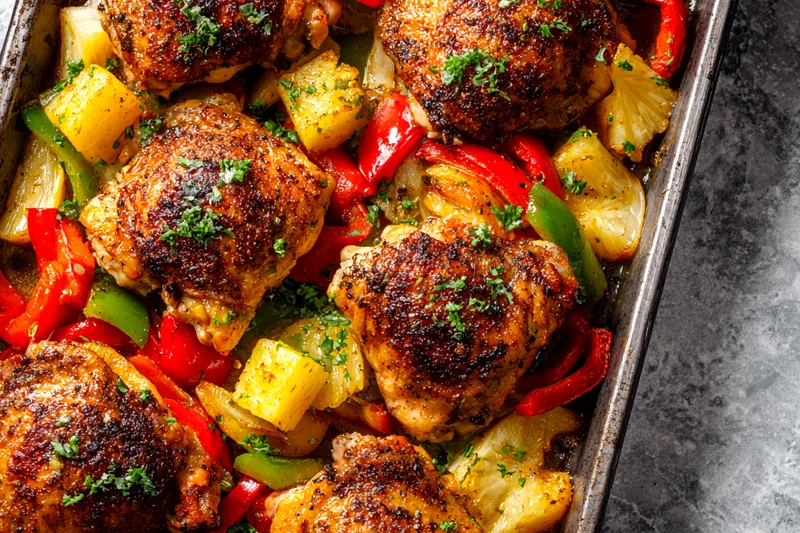
Mastering the Cooking Technique
The key to perfect Hawaiian Chicken is building layers of flavor through proper searing and sauce management. When you sear the chicken, you're creating a golden crust through the Maillard reaction, which adds complex savory notes that balance the sweet sauce. Don't rush this step - let the chicken develop a proper crust before flipping. The reserved sauce technique is crucial: by keeping half the sauce separate from the raw chicken marinade, you ensure food safety while having a clean, flavorful glaze for finishing.
The cornstarch slurry is what transforms your sauce from a thin liquid into a glossy glaze worthy of a restaurant. The timing matters - add it only after the sauce is simmering, and stir constantly to prevent lumps. As it thickens, it should coat the back of a spoon and have a sheen. The final glazing step, where you spoon the thickened sauce over the chicken and let it cook for 2 more minutes, allows the flavors to marry and creates that signature sticky-sweet coating. Don't skip garnishes - fresh cilantro and green onions add brightness that cuts through the richness.
The Perfect Glaze Technique
Creating a restaurant-quality glaze requires patience and attention. After your chicken is cooked through, transfer it to a plate temporarily. Bring your reserved sauce to a simmer in the same skillet, scraping up any flavorful browned bits from the bottom. Mix your cornstarch with cold water until completely smooth - lumps are the enemy here. While stirring constantly, slowly drizzle the slurry into the simmering sauce. You'll see it thicken within 30-60 seconds. It should coat a spoon but still flow. Return the chicken to the skillet and spoon the glaze over each piece, turning to coat all sides. Let it cook for 2 more minutes so the glaze adheres. The result should be glossy, thick enough to cling, but not gloppy or pasty.
Juicy Hawaiian Chicken with Grilled Pineapple
📋 Ingredients
For the Sauce
- 1/2 cup soy sauceUse low-sodium to control salt level better
- 1/3 cup brown sugarDark brown sugar adds deeper molasses flavor
- 1/4 cup ketchupAdds body and subtle tanginess to the sauce
- 3 tablespoons rice vinegarMilder than white vinegar, perfect for balance
- 1/2 cup reserved pineapple juiceSave this from the canned pineapple rings
- 4 cloves garlic, mincedFresh only - jarred garlic lacks aromatic punch
- 1 tablespoon fresh ginger, gratedGrate on microplane for best texture
- 1 tablespoon sesame oilAdds subtle nutty depth - don't skip
- 2 tablespoons cornstarch + 1/4 cup waterFor the glossy glaze - mix into slurry
- 1/4 teaspoon red pepper flakes (optional)Adds gentle heat without overwhelming sweetness
Main Components
- 2 pounds boneless, skinless chicken thighsAbout 6-8 thighs - choose similar sizes for even cooking
- 1 can (20 oz) pineapple ringsPacked in juice, not syrup - reserve the juice
- 1 red bell pepper, slicedCut into 1/4-inch strips for quick cooking
- 1 green bell pepper, slicedAdds color contrast and mild sweetness
- Fresh cilantro for garnishAdds fresh, bright finish to the dish
- Sliced green onions for garnishBoth white and green parts add color and bite
- Cooking oil for searingUse neutral oil with high smoke point like vegetable or canola
Instructions
Prepare the Hawaiian Sauce
In a medium bowl, whisk together soy sauce, brown sugar, ketchup, rice vinegar, 1/2 cup reserved pineapple juice, minced garlic, grated ginger, sesame oil, and red pepper flakes if using. Mix until the brown sugar is fully dissolved. Divide the sauce in half - set aside one half for glazing later (this stays clean and safe). Use the other half for marinating the chicken.
Marinate and Sear the Chicken
Place chicken thighs in a large dish and pour half the sauce over them, turning to coat all sides. Let marinate for 10 minutes at room temperature (or up to 24 hours refrigerated). Heat a large skillet over medium-high heat and add 1 tablespoon cooking oil. Remove chicken from marinade, letting excess drip off, and place in the hot skillet. Discard the used marinade. Sear chicken for 5-6 minutes per side until golden brown with a nice crust and cooked through to 165°F internal temperature.
Add Peppers and Pineapple
Reduce heat to medium. Add sliced red and green bell peppers to the skillet around the chicken pieces and cook for 3 minutes, stirring occasionally, until they start to soften but still have some crunch. Drain pineapple rings and pat them dry with paper towels. Add pineapple rings to the skillet and cook for 2-3 minutes per side until they develop beautiful caramelized grill marks and turn golden brown. Arrange everything nicely in the pan.
Create the Glaze
In a small bowl, mix the cornstarch with 1/4 cup cold water, stirring until completely smooth with no lumps. Pour the reserved (clean) sauce into the skillet around the chicken. Bring to a gentle simmer, then slowly drizzle in the cornstarch slurry while stirring constantly. Continue cooking for 2-3 minutes, stirring gently, until the sauce thickens to a glossy glaze that coats the back of a spoon. The sauce should cling to the chicken beautifully.
Glaze and Serve
Using a spoon, carefully coat each piece of chicken and pineapple with the thickened sauce, turning to ensure even coverage. Let everything cook together for an additional 2 minutes to allow the flavors to meld and the glaze to set. Remove from heat. Transfer to a serving platter, arranging the pineapple rings attractively around the chicken. Garnish generously with fresh cilantro leaves and sliced green onions. Serve immediately over steamed jasmine rice, spooning extra sauce over the top.
Recipe Notes & Tips
Storage
Store leftovers in an airtight container in the refrigerator for up to 3 days. Keep sauce separate if possible to prevent sogginess. Reheat in a covered dish in the microwave for 2-3 minutes or in a 350°F oven for 12-15 minutes. Can be frozen for up to 2 months - thaw overnight in refrigerator before reheating. The pineapple texture may soften when reheated but flavor remains excellent.
Serving Suggestions
Serve over steamed white or brown jasmine rice to soak up the delicious sauce. Coconut rice makes an especially tropical pairing. Add steamed broccoli, snap peas, or bok choy as a green vegetable side. A simple cucumber salad with rice vinegar dressing provides refreshing contrast. For a complete Hawaiian-style plate, serve with macaroni salad. Garnish with extra lime wedges for squeezing over individual portions.
Variations
Make it spicier by adding 1-2 teaspoons sriracha or sambal oelek to the sauce, or use fresh sliced jalapeños. Substitute chicken breasts for thighs (reduce cooking time by 2 minutes per side). For a grilled version, cook on medium-high heat grill for 6-7 minutes per side, basting with sauce. Try adding cashews or macadamia nuts for crunch. For a lower-sugar version, reduce brown sugar to 1/4 cup and use sugar-free ketchup. Add snap peas or broccoli florets along with the bell peppers for more vegetables.