Honey Glazed Roasted Carrots and Asparagus
This honey glazed roasted carrots and asparagus recipe transforms simple vegetables into a show-stopping side dish that's both elegant and effortless. The natural sweetness of honey caramelizes beautifully in the oven, creating a glossy glaze that enhances the earthy flavors of the vegetables without overwhelming them. Perfect for weeknight dinners or holiday gatherings, this sheet pan recipe delivers restaurant-quality results with minimal cleanup.

Why This Recipe Works
The secret to perfectly roasted vegetables lies in understanding how heat transforms their natural sugars and starches. When carrots and asparagus roast at high temperature (425°F), their exterior moisture evaporates quickly, allowing the natural sugars to caramelize and create those coveted golden-brown edges. The honey glaze accelerates this caramelization process while adding a complementary sweetness that doesn't overpower the vegetables' inherent flavors. The addition of balsamic vinegar provides acidity that balances the sweetness and adds depth, while fresh thyme contributes an earthy, aromatic quality that ties everything together.
Pairing carrots with asparagus might seem unconventional, but these vegetables share similar roasting times when cut properly, making them ideal sheet pan partners. Carrots bring natural sweetness and a satisfying bite, while asparagus offers a tender-crisp texture and slightly grassy notes that contrast beautifully. The honey glaze unifies the two vegetables, creating a cohesive dish that's greater than the sum of its parts. This combination also provides visual appeal with vibrant orange and green colors that make any plate more attractive.
💡 Professional Tip
For the best caramelization, make sure your vegetables are completely dry before tossing with the glaze. Any excess moisture will create steam instead of allowing proper browning. Also, don't overcrowd the pan—vegetables should be in a single layer with some space between pieces to ensure even roasting and maximum caramelization.
Frequently Asked Questions
While this dish is best served fresh from the oven, you can prep the vegetables and glaze up to 24 hours in advance. Store the prepared (but uncooked) vegetables and glaze separately in the refrigerator. When ready to cook, let them come to room temperature for about 15 minutes, then toss together and roast as directed. Leftover roasted vegetables can be refrigerated for 3-4 days and reheated in a 375°F oven for 8-10 minutes to restore some of their texture.
Yes, both maple syrup and agave nectar work well as honey substitutes in this recipe. Maple syrup will add a deeper, more complex sweetness with subtle woody notes, while agave provides a milder, more neutral sweetness. Use the same amount (3 tablespoons) of either substitute. Keep in mind that maple syrup may caramelize slightly faster due to its composition, so watch the vegetables closely during the last 5 minutes of roasting to prevent burning.
For uniform cooking, cut carrots lengthwise rather than into rounds. If using medium carrots (about ¾ inch in diameter), halve them lengthwise. Thicker carrots should be quartered lengthwise. The goal is to create pieces that are roughly ½ to ¾ inch thick at their widest point. This sizing matches the asparagus spears and ensures everything roasts evenly. If your carrots vary significantly in size, you can always pull smaller pieces from the oven earlier.
Fresh thyme is strongly recommended for this recipe as it provides a more vibrant, aromatic flavor that complements the honey glaze beautifully. However, if you only have dried thyme available, use 1 teaspoon instead of 1 tablespoon (the general conversion is 1 teaspoon dried equals 1 tablespoon fresh). Add the dried thyme to the glaze mixture rather than using it as a garnish. You could also substitute with fresh rosemary (1 teaspoon minced) for a different but equally delicious flavor profile.
Perfectly roasted vegetables should be fork-tender with visible caramelization and golden-brown edges. Carrots should pierce easily with a fork but still have a slight firmness—not mushy. Asparagus should be tender but maintain a slight snap when bitten. Visually, look for a glossy, caramelized glaze coating the vegetables with darker brown spots where the honey has caramelized. If vegetables are browning too quickly but aren't yet tender, reduce oven temperature to 400°F and continue roasting.
This versatile side dish pairs beautifully with virtually any protein. It's excellent alongside roasted chicken, grilled salmon, pan-seared pork chops, or herb-crusted lamb. For vegetarian meals, serve it with quinoa pilaf, wild rice, or alongside a hearty grain bowl. The honey glaze complements both rich and light main dishes. For holidays, this makes an elegant addition to turkey or ham dinners. The colorful presentation also makes it perfect for dinner parties when you want a side dish that looks as good as it tastes.
Absolutely! This recipe is quite flexible. Brussels sprouts (halved), parsnips (cut similar to carrots), and baby potatoes (halved) all work well. Just keep in mind that denser vegetables like potatoes may need an extra 5-10 minutes of roasting time. You could also add bell peppers or red onion wedges for additional color and flavor. If adding multiple vegetables, try to cut them to similar sizes and consider their individual cooking times—you may need to add quicker-cooking vegetables halfway through the roasting process.
Store leftover roasted vegetables in an airtight container in the refrigerator for up to 4 days. To reheat, spread them on a baking sheet and warm in a 375°F oven for 8-10 minutes until heated through. This method helps restore some of the caramelized texture. You can also reheat in a skillet over medium heat with a tiny drizzle of olive oil. Avoid microwaving if possible, as it will make the vegetables soggy. Leftover roasted vegetables are delicious chopped and added to grain bowls, salads, or frittatas.
Recipe Troubleshooting Guide
Vegetables Are Burning on the Edges
Problem: The honey glaze is caramelizing too quickly and creating burnt spots before the vegetables are fully cooked.
Solution: Reduce your oven temperature to 400°F and continue roasting. The honey can burn at high temperatures, especially if your oven runs hot. You can also tent the vegetables loosely with aluminum foil for the last 5-10 minutes of cooking to slow down surface browning while allowing the interior to finish cooking. For future batches, try reducing the honey to 2 tablespoons or adding an extra tablespoon of olive oil to dilute the glaze slightly.
Vegetables Are Soggy Instead of Caramelized
Problem: The vegetables are steaming rather than roasting, resulting in a limp, waterlogged texture without proper browning.
Solution: This usually happens when vegetables are overcrowded on the pan or too wet before roasting. Make sure vegetables are completely dry after washing—pat them thoroughly with paper towels. Use a large enough baking sheet so vegetables can spread in a single layer with space between pieces. If needed, use two baking sheets instead of crowding everything onto one. Also ensure your oven is fully preheated to 425°F before adding the vegetables.
Asparagus Overcooking Before Carrots Are Done
Problem: The asparagus becomes mushy while the carrots are still too firm.
Prevention: Asparagus cooks faster than carrots, so give the carrots a head start. Place carrots on the baking sheet and roast for 10 minutes, then add the asparagus and continue roasting for the remaining 15 minutes. Alternatively, cut your carrots slightly thinner (into quarters if they're thick) to match the asparagus cooking time. Using thinner asparagus spears will also cook faster, so opt for medium to thick spears when possible.
Glaze Won't Stick to Vegetables
Problem: The honey glaze seems to pool on the pan rather than coating the vegetables evenly.
Recovery: Make sure you're whisking the glaze ingredients vigorously until they emulsify—the oil and honey need to combine properly. If the glaze seems too thin, add an extra tablespoon of honey. When tossing vegetables with the glaze, use your hands (wear disposable gloves if preferred) to massage the coating onto each piece thoroughly. Also ensure vegetables are completely dry before glazing, as moisture will prevent the glaze from adhering.
Uneven Cooking Across the Pan
Problem: Some vegetables are perfectly done while others are undercooked or burnt.
Prevention: This indicates uneven heat distribution in your oven or on the pan. Rotate the baking sheet 180 degrees halfway through cooking. Cut all vegetables to uniform sizes for consistent cooking times. Place thicker carrot pieces toward the outer edges of the pan where heat is typically more intense, and thinner pieces toward the center. If your oven has hot spots, consider using the convection setting (if available) and reducing the temperature by 25°F for more even air circulation.
Flavor Balance Issues
Too Sweet: If the dish tastes too sweet, add an extra teaspoon of balsamic vinegar and a pinch of salt after roasting, or squeeze fresh lemon juice over the finished vegetables to balance the sweetness with acidity.
Too Salty: If accidentally over-salted, add an extra tablespoon of honey and a squeeze of lemon juice to balance the flavors. You can also toss in some fresh vegetables that haven't been seasoned to dilute the saltiness.
Bland: Boost flavor by adding more fresh herbs after roasting—try parsley, chives, or additional thyme. A sprinkle of flaky sea salt and freshly cracked black pepper can also enhance the overall taste. Consider adding a teaspoon of Dijon mustard to the glaze next time for more complexity.
Ingredient Selection and Quality
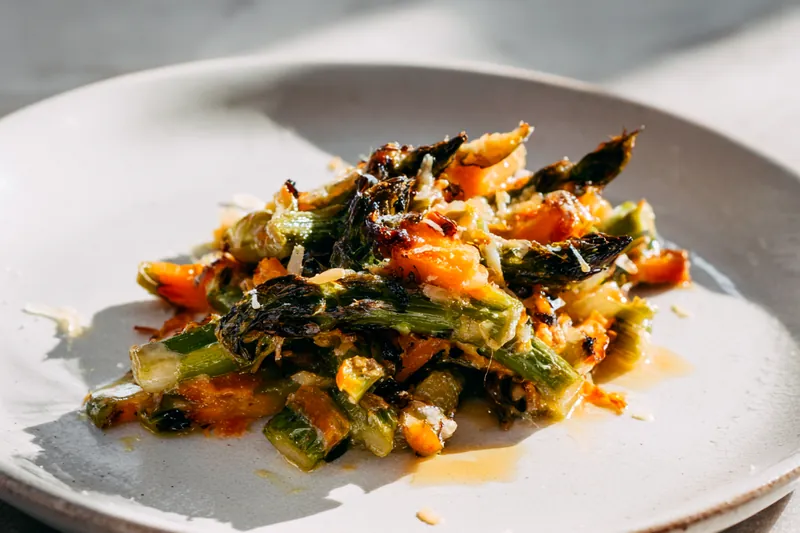
Choosing the right vegetables makes a significant difference in the final dish. For carrots, look for medium-sized ones that are firm, smooth, and vibrant in color—whether orange, purple, yellow, or rainbow varieties. Avoid carrots that are limp, have cracks, or show signs of sprouting. If possible, select carrots with their green tops still attached, as this indicates freshness. Baby carrots can work in a pinch, but whole carrots that you peel and cut yourself have better flavor and texture. The natural sugars in fresh carrots caramelize beautifully when roasted.
For asparagus, choose spears that are firm with tightly closed tips and vibrant green color (or purple, depending on variety). The cut ends should look moist, not dried out or woody. Medium to thick asparagus spears work best for roasting as they maintain better texture and won't overcook as easily as thin spears. When it comes to honey, use high-quality raw or pure honey rather than processed varieties—the flavor difference is noticeable. Extra virgin olive oil provides the best flavor, while fresh garlic and thyme add aromatic complexity that dried versions simply can't match.
Essential Ingredient Notes
- Carrots: Select medium carrots about ¾ to 1 inch in diameter for the best roasting results. They should be firm and free of soft spots. Rainbow or heirloom varieties add beautiful color variation. Store in the refrigerator in a plastic bag with paper towels to absorb excess moisture, keeping them crisp for up to 2 weeks.
- Asparagus: Choose medium to thick spears with tight, compact tips. Avoid spears that are slimy or have mushy tips. To trim, simply bend each spear near the bottom—it will naturally snap at the point where the tender part meets the woody end. Store asparagus upright in a jar with an inch of water, covered loosely with plastic, for up to 4 days.
- Honey: Use pure, high-quality honey for the best flavor and caramelization. Local honey often has more complex flavor profiles than mass-produced varieties. Raw honey contains more enzymes and nutrients, though it will caramelize the same way. Different honey varieties (wildflower, clover, orange blossom) will subtly affect the final flavor—experiment to find your favorite.
Roasting Technique for Perfect Results
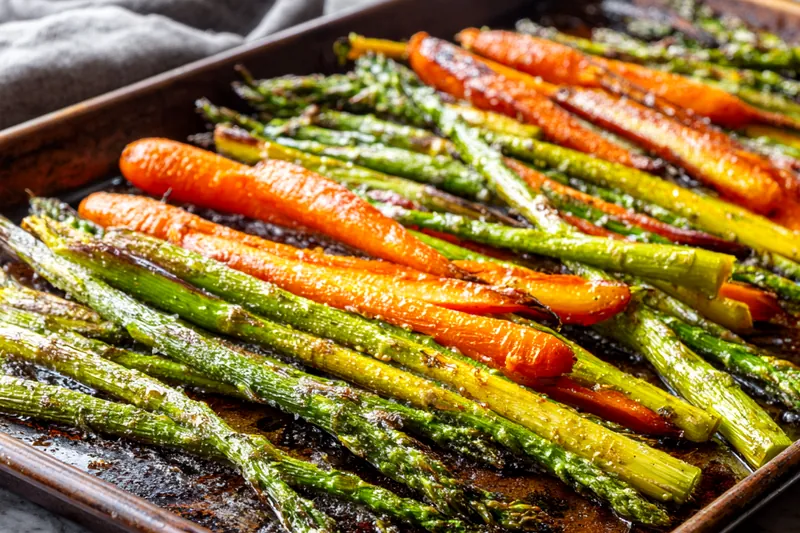
Mastering the roasting technique is essential for achieving vegetables with tender interiors and beautifully caramelized exteriors. The key is high, dry heat that evaporates surface moisture quickly, allowing the Maillard reaction (browning) and caramelization to occur. Preheating your oven to a full 425°F before adding the vegetables ensures they start cooking immediately at the right temperature. Using parchment paper prevents sticking and makes cleanup easier, while also promoting even browning. The single-layer arrangement is critical—overcrowding causes vegetables to steam in their own moisture rather than roast, resulting in soggy rather than crispy-edged vegetables.
The flip halfway through cooking ensures even caramelization on multiple sides and prevents burning. When you flip, use a thin metal spatula to release any stuck pieces gently. The honey glaze will caramelize and may stick slightly to the pan, but this is normal and desirable—those browned bits add incredible flavor. Watch the vegetables closely during the final 5 minutes of cooking, as the sugars in the honey can go from perfectly caramelized to burnt quickly. The finished vegetables should have a glossy, golden appearance with darker caramelized spots and should be fork-tender but not mushy.
The Perfect Flip Technique
Flipping roasted vegetables properly ensures even caramelization without breaking delicate pieces. At the 12-15 minute mark, remove the pan from the oven and use a thin metal spatula to gently lift and turn each vegetable piece. Don't scrape aggressively—the caramelized glaze may stick slightly, and that's fine. If pieces resist, let them cook another 2 minutes before attempting to flip. For easier flipping, you can toss the vegetables by gently shaking the pan, but individual flipping with a spatula gives more control and better results. Return the pan to the oven promptly to maintain temperature.
Honey Glazed Roasted Carrots and Asparagus
📋 Ingredients
Vegetables
- 3 tablespoons extra virgin olive oilHigh-quality oil enhances flavor and promotes browning
- 3 tablespoons honeyPure or raw honey works best for caramelization
- 2 cloves garlic, mincedFresh garlic adds aromatic depth
- 1 tablespoon fresh thyme leavesStrip leaves from stems before measuring
- 1 teaspoon sea saltAdjust to taste preference
- ½ teaspoon black pepperFreshly ground provides best flavor
- 1 tablespoon balsamic vinegarBalances sweetness with acidity
- 2 teaspoons fresh lemon juiceBrightens overall flavor profile
Glaze
- 1 pound medium carrots, peeled and halved lengthwiseChoose firm, vibrant carrots about ¾ inch diameter
- 1 pound fresh asparagus, woody ends trimmedMedium to thick spears work best for roasting
Instructions
Prepare and Preheat
Preheat your oven to 425°F (220°C). Line a large rimmed baking sheet with parchment paper. Trim asparagus ends by bending each spear until it naturally snaps, discarding the woody portions. Peel carrots and halve them lengthwise. If using particularly thick carrots (over 1 inch diameter), quarter them lengthwise instead to ensure even cooking.
Make the Honey Glaze
In a large mixing bowl, combine the olive oil, honey, minced garlic, fresh thyme leaves, sea salt, black pepper, balsamic vinegar, and lemon juice. Whisk vigorously for 30-45 seconds until the mixture is well combined and slightly emulsified. The honey should be fully incorporated with no streaks of oil visible.
Coat the Vegetables
Add the prepared carrots and asparagus to the bowl with the honey glaze. Using your hands or tongs, toss the vegetables thoroughly for 1-2 minutes, ensuring every piece is evenly coated with the glaze mixture. Make sure to get the glaze into all the crevices and along the entire length of each vegetable.
Arrange and Roast
Spread the glazed vegetables in a single layer on the prepared baking sheet, leaving some space between pieces to allow for proper air circulation and browning. If needed, separate carrots and asparagus slightly as they may finish cooking at slightly different times. Roast in the preheated oven for 12-15 minutes, then carefully remove the pan and flip each vegetable piece using a thin spatula. Return to the oven and continue roasting for an additional 10-12 minutes, until vegetables are tender and beautifully caramelized with golden-brown edges.
Finish and Serve
Remove the baking sheet from the oven when vegetables are fork-tender with visible caramelization. The carrots should pierce easily with a fork but still have a slight bite, and the asparagus should be tender-crisp. Transfer vegetables to a serving platter using a spatula, scraping up any caramelized bits from the pan and drizzling them over the vegetables. Garnish with additional fresh thyme leaves if desired. Serve immediately while hot for the best texture and flavor.
Recipe Notes & Tips
Storage
Store leftover roasted vegetables in an airtight container in the refrigerator for up to 4 days. Reheat in a 375°F oven for 8-10 minutes to restore texture, or warm in a skillet over medium heat with a small drizzle of olive oil. Avoid microwaving as it makes vegetables soggy. These vegetables can also be chopped and added cold to grain bowls or salads.
Serving Suggestions
This versatile side dish pairs beautifully with roasted chicken, grilled salmon, pork chops, or herb-crusted lamb. For vegetarian meals, serve alongside quinoa, wild rice, or as part of a grain bowl. It's also an elegant addition to holiday dinners with turkey or ham. Garnish with toasted pine nuts or crumbled goat cheese for extra sophistication.
Variations
Try rainbow carrots for stunning color variation. Substitute maple syrup for honey for a deeper flavor profile. Add halved Brussels sprouts or parsnips for variety (they may need extra roasting time). For a spicy kick, add ¼ teaspoon red pepper flakes to the glaze. Fresh rosemary can replace thyme for a different aromatic profile.