Savory Garlic Parmesan Focaccia Bread: Easy and Delicious
This garlic parmesan focaccia bread is a delightful addition to any meal, perfect for dipping or enjoying on its own. The savory flavors of garlic and rich parmesan elevate this bread to a new level. Easy to make, it’s sure to impress family and friends alike!

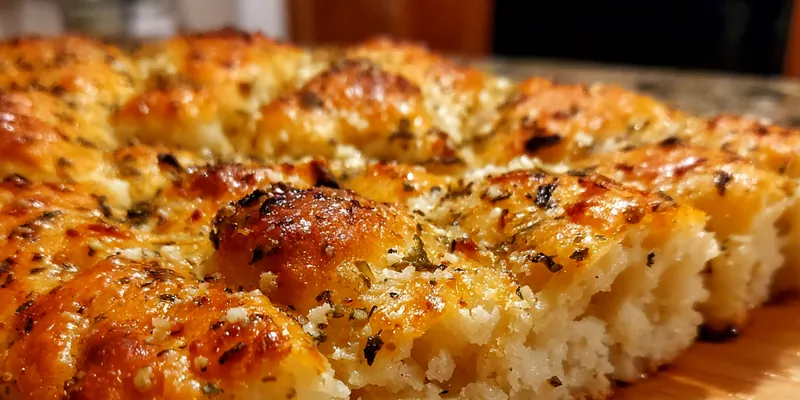
Why This Garlic Parmesan Focaccia Bread Recipe Works
This focaccia bread recipe utilizes a simple dough-making technique that allows for maximum flavor and texture. The combination of yeast and a longer rising period creates a light and airy bread. Additionally, the incorporation of garlic and parmesan infuses each bite with savory goodness.
The unique method of dimpling the dough before baking enhances its texture, giving it those perfect crispy edges and a soft interior. The olive oil not only adds flavor but also contributes to the bread's richness. Overall, this focaccia is a crowd-pleaser that pairs beautifully with a variety of dishes.
💡 Professional Tip
For a truly aromatic experience, consider using fresh garlic instead of pre-minced. You can also experiment with different herbs like thyme or oregano to change up the flavor profile.
Frequently Asked Questions
Yes, you can prepare the dough a day in advance. After the first rise, cover it tightly and refrigerate, then let it come to room temperature before shaping and baking.
If you don't have fresh garlic, garlic powder can be used as a substitute. For every clove, use 1/8 teaspoon of garlic powder for a similar flavor.
The focaccia is done when it is golden brown on top and sounds hollow when tapped on the bottom. A toothpick inserted in the center should come out clean.
Absolutely! After baking, let the focaccia cool completely, then wrap it tightly in plastic wrap and aluminum foil. It can be frozen for up to 3 months.
You'll need a mixing bowl, baking sheet, measuring cups and spoons, and an oven. A stand mixer is helpful but not necessary.
This focaccia pairs well with soups, salads, or as a side to pasta dishes. It's also great for sandwiches or simply enjoyed with olive oil and balsamic vinegar.
To add some heat, consider sprinkling red pepper flakes on top before baking. Alternatively, mix some spicy herbs into the dough for a subtle kick.
Store leftover focaccia in an airtight container at room temperature for up to 2 days. For longer storage, refrigerate it or freeze it as mentioned earlier.
Recipe Troubleshooting Guide
Too Dry
Problem: If your focaccia is dry, it might be overbaked or too little water was added.
Solution: Ensure you follow the baking time and check for doneness. Adding a bit more water to the dough can help maintain moisture.
Uneven Cooking
Problem: Uneven cooking can occur if your oven temperature is inconsistent or if the dough is not spread evenly.
Solution: Use an oven thermometer to ensure accurate temperature and check that the dough is evenly distributed on the baking sheet.
Lacking Flavor
Problem: If the focaccia lacks flavor, it might need more seasoning or herbs.
Prevention: Add more salt or experiment with different herbs to enhance the flavor profile.
Wrong Texture
Problem: If the texture is off, it could be due to too much flour or under-kneading.
Recovery: Make sure to measure flour accurately and knead until the dough is smooth and elastic.
Overcooked
Problem: Overcooking can lead to a hard crust and dense interior.
Prevention: Keep an eye on the bread during the last few minutes of baking and reduce the temperature slightly if necessary.
Flavor Balance
Too Sweet: If it tastes too sweet, reduce the sugar next time or omit it altogether.
Too Salty: For overly salty bread, try using unsalted butter or reducing the salt in your dough.
Bland: Add more seasonings or toppings to boost the flavor next time you bake.
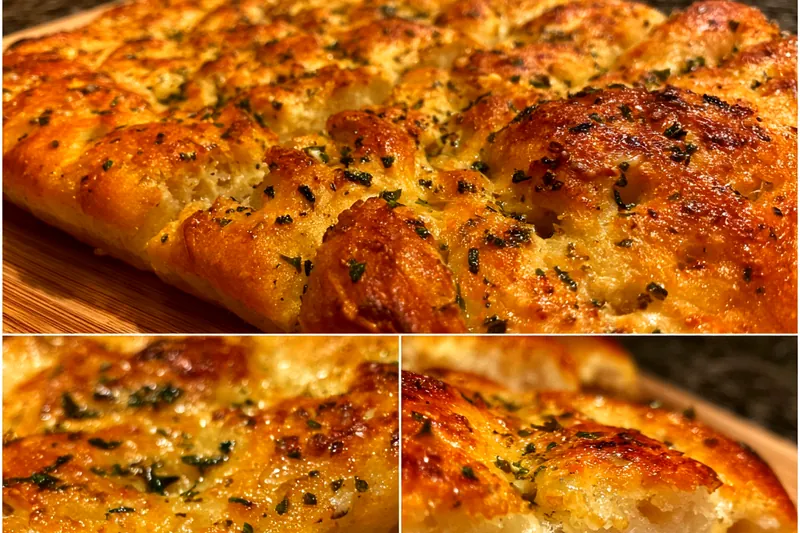
Choosing the Best Ingredients
Using high-quality ingredients is key to making exceptional focaccia. Opt for fresh garlic, authentic Parmesan cheese, and high-quality olive oil for the best flavor. Fresh herbs can also elevate your bread further.
When selecting flour, choose a bread flour for a chewier texture, or all-purpose flour for a softer focaccia. Additionally, using fresh yeast instead of dry can enhance the rise and flavor.
Essential Ingredient Notes
- All-Purpose Flour: For the best texture, use high-protein flour. This will help create a chewier bread with a good rise.
- Olive Oil: Choose a good quality extra virgin olive oil for the best flavor. It enhances the bread and keeps it moist.
- Parmesan Cheese: Freshly grated Parmesan will provide a richer taste than pre-packaged varieties. Always opt for quality cheese for the best results.
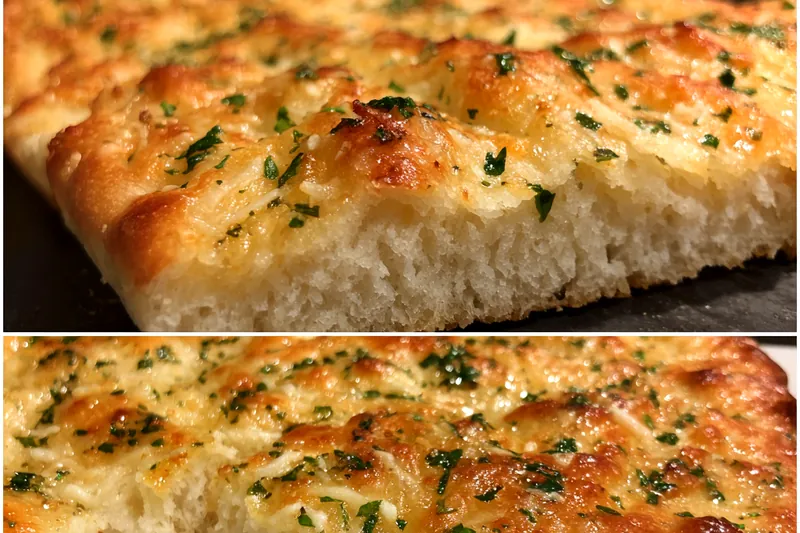
Cooking Technique Tips
The key to perfect focaccia is in the dough's handling. Avoid overworking the dough after the first rise to keep it light and airy. The dimples you create before baking will hold the olive oil and toppings, contributing to the final flavor.
For the best texture, bake the focaccia on a preheated baking sheet if possible. This will help achieve that crispy bottom while keeping the inside fluffy.
Chef's Secret Technique
Allow the dough to rise slowly in the refrigerator overnight for a deeper flavor. This slow fermentation enhances the bread's taste and texture significantly.
Savory Garlic Parmesan Focaccia Bread: Easy and Delicious
📋 Ingredients
For the Dough:
For the Toppings:
Instructions
Recipe Notes & Tips
Storage
Store focaccia in an airtight container at room temperature for up to 2 days. For longer freshness, freeze it as instructed above.
Serving Suggestions
Serve with a side of balsamic vinegar and olive oil for dipping. It’s also great alongside soups and salads.
Variations
Try adding olives, sun-dried tomatoes, or different herbs for unique flavors. A sprinkle of sea salt on top before baking can also enhance taste.