Garlic Butter Shrimp Stuffed Peppers
These garlic butter shrimp stuffed peppers bring restaurant elegance to your dinner table in just 35 minutes. Tender bell peppers cradle a luxurious filling of succulent shrimp bathed in garlic butter, fluffy rice, and melted cheese. It's a complete meal that looks impressive but couldn't be easier to prepare.

Why This Shrimp Stuffed Pepper Recipe Works
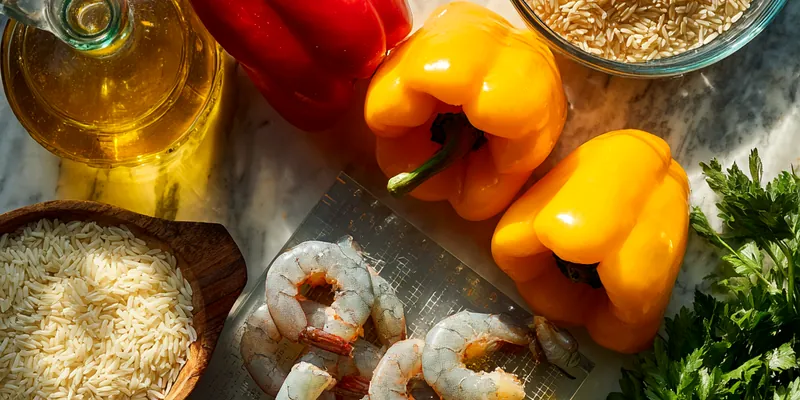
The magic of this dish lies in its perfectly balanced components. Bell peppers provide a sweet, slightly smoky vessel that complements rather than overwhelms the delicate shrimp. Pre-baking the peppers for 10 minutes ensures they're tender but still hold their shape, preventing that mushy texture that ruins many stuffed pepper recipes. The garlic butter coating on the shrimp creates an incredibly flavorful sauce that soaks into the rice, eliminating the need for complicated gravies or additional sauces.
Using large shrimp is crucial for this recipe because they stay tender and juicy even with the secondary baking time. Smaller shrimp would overcook and become rubbery. The combination of mozzarella and Parmesan creates the ideal cheese situation—mozzarella for that gorgeous melted stretch and Parmesan for sharp, nutty depth. This isn't just stuffed peppers with shrimp thrown in; it's a carefully constructed harmony of textures and flavors that feels indulgent while being surprisingly healthy.
💡 Professional Tip
Reserve the shrimp cooking liquid in the pan and spoon it over the stuffed peppers before the final bake. This extra garlic butter ensures every bite is incredibly moist and flavorful.
Frequently Asked Questions
Yes! Prepare the peppers through the stuffing stage, cover tightly with foil, and refrigerate for up to 24 hours. When ready to serve, bring to room temperature for 15 minutes, then bake at 375°F for 20-25 minutes instead of 15. The extra time compensates for the chilled filling. You can also prep the filling mixture and store it separately from the raw peppers for up to 2 days.
Absolutely! Frozen shrimp work perfectly for this recipe. Thaw them in the refrigerator overnight or use the quick-thaw method by placing them in a colander under cold running water for 10 minutes. Pat them completely dry with paper towels before cooking to ensure proper browning. Frozen shrimp are often flash-frozen right on the boat, making them fresher than some 'fresh' options at the grocery store.
Use day-old refrigerated rice if possible—it has a firmer texture that won't get mushy when mixed with the buttery shrimp. Cook rice in chicken or vegetable broth instead of water for extra flavor. If cooking rice fresh, spread it on a baking sheet to cool and dry out for 15 minutes before using. Jasmine or long-grain white rice works best, but you can substitute with cauliflower rice for a low-carb version.
Yes! Gruyere adds a sophisticated, nutty flavor that pairs beautifully with shrimp. Fontina melts gorgeously and has a mild, creamy taste. Pepper jack adds a spicy kick that complements the garlic butter. Avoid pre-shredded cheese if possible—block cheese that you shred yourself melts more smoothly because it doesn't contain anti-caking agents. A combination of sharp white cheddar and Parmesan also works wonderfully.
The peppers are done when the cheese is golden and bubbly, the peppers are fork-tender but still hold their shape, and the internal temperature reaches 165°F. The top shrimp should be opaque throughout with no translucent centers. If the cheese browns too quickly before the peppers soften, tent the dish with foil and continue baking. The filling should be steaming hot all the way through.
These stuffed peppers are nearly a complete meal, but they pair beautifully with a crisp Caesar salad, garlic bread for soaking up the buttery juices, or roasted asparagus. A light arugula salad with lemon vinaigrette cuts through the richness perfectly. For a heartier meal, serve alongside creamy polenta or garlic mashed potatoes. A crisp white wine like Sauvignon Blanc or Pinot Grigio complements the garlic and shrimp beautifully.
Absolutely! Replace the shrimp with 2 cups of sautéed mushrooms (cremini, shiitake, or portobello work great) cooked in the same garlic butter. Add ½ cup of white beans or chickpeas for protein, and increase the cheese slightly. The cooking time remains the same. You can also add sautéed spinach, diced zucchini, or sun-dried tomatoes for extra vegetables and flavor complexity.
Store leftover stuffed peppers in an airtight container in the refrigerator for up to 3 days. Reheat individual peppers in the microwave for 2-3 minutes on 50% power, or reheat all of them covered with foil in a 350°F oven for 15-20 minutes. The peppers can also be frozen for up to 2 months—wrap each one individually in plastic wrap, then place in a freezer bag. Thaw in the refrigerator overnight before reheating.
Recipe Troubleshooting Guide
Peppers Too Firm After Baking
Problem: The peppers came out crunchy instead of tender, and the filling is fully cooked.
Solution: This happens when peppers are very thick-walled or underbaked. Next time, choose peppers with thinner walls or increase the initial pre-baking time to 12-15 minutes. You can also add 2 tablespoons of water to the bottom of the baking dish and cover with foil for the first 10 minutes of the final bake to create steam that will soften the peppers.
Shrimp Overcooked and Rubbery
Problem: The shrimp inside the peppers turned out tough and chewy instead of tender.
Solution: You're cooking the shrimp too long in the initial sauté. Shrimp cook incredibly fast—remove them from heat when they're just barely pink with a slight translucent center, as they'll finish cooking in the oven. Use a timer and cook for no more than 2 minutes per side. Also ensure you're not using small shrimp, which overcook even faster.
Watery Filling
Problem: The filling has too much liquid pooling at the bottom of the peppers.
Prevention: This usually means the rice was too wet or the peppers released moisture. Use slightly drier rice and pat the inside of peppers completely dry after the initial baking. Don't add extra butter or liquid to the filling mixture. If it happens during baking, carefully pour out excess liquid with a spoon before serving, or serve with a slotted spoon.
Bland Flavor
Problem: The dish tastes flat and underseasoned despite following the recipe.
Recovery: Season at every stage—salt the peppers before pre-baking, season the shrimp generously, and taste the rice mixture before stuffing, adding more salt if needed. Fresh garlic makes a huge difference; old or pre-minced garlic lacks punch. Finish with a squeeze of fresh lemon juice and flaky sea salt right before serving. Quality Parmesan cheese (not the green can) dramatically improves flavor.
Cheese Not Browning
Problem: The cheese melted but didn't get golden and bubbly on top.
Prevention: After the baking time, turn on the broiler and place the dish 6 inches from the heat for 2-3 minutes, watching carefully to prevent burning. Make sure you're using block cheese you shred yourself rather than pre-shredded, which doesn't brown as well. You can also brush the tops lightly with melted butter before the final bake to encourage browning.
Flavor Balance Issues
Too Sweet: If the peppers taste too sweet, choose red or orange peppers which are sweeter, or opt for green peppers which have a more vegetal, less sweet flavor. Balance sweetness by adding an extra tablespoon of lemon juice or a splash of white wine vinegar to the filling.
Too Salty: If too salty, it's likely from the cheese or salted butter. Use unsalted butter and low-sodium chicken broth in the rice. Rinse the cooked shrimp briefly under cold water if they were brined. Serve with extra plain rice on the side to dilute the saltiness.
Bland: If bland, you under-seasoned at multiple stages. The fix: squeeze fresh lemon over finished peppers, sprinkle with flaky salt, add fresh herbs, and serve with extra Parmesan. For next time, season the shrimp more aggressively and add a pinch of salt to the rice mixture.
Selecting the Perfect Ingredients
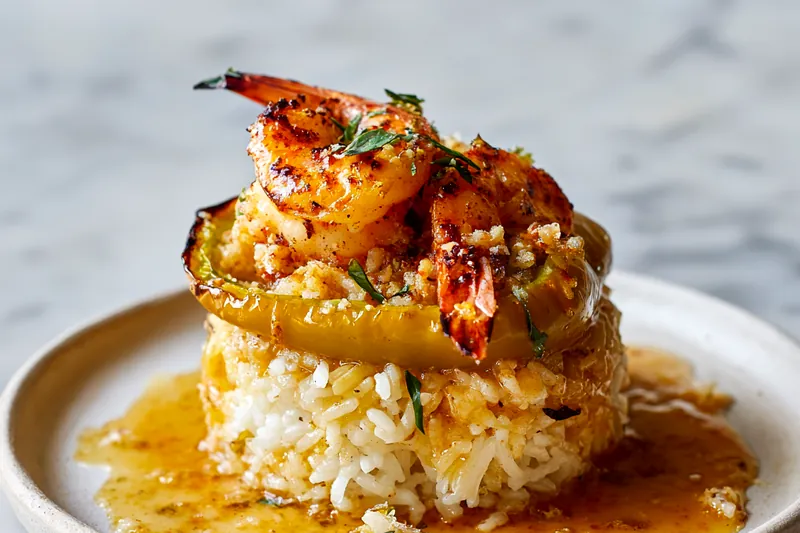
Bell pepper selection makes or breaks this dish. Choose peppers that sit flat on their bottoms without tipping—this ensures stable stuffing and even cooking. Red, yellow, and orange peppers are sweeter and more tender than green peppers, making them ideal for this recipe. Look for peppers with thick, firm walls without soft spots or wrinkles. Peppers should feel heavy for their size, indicating thick flesh that will hold up to baking.
For shrimp, size matters tremendously. Look for 16-20 count per pound (labeled as large or extra-large), which stay juicy during the double cooking process. Wild-caught Gulf shrimp have the best flavor, but sustainably farmed shrimp work excellently too. Avoid shrimp treated with sodium tripolyphosphate (STPP) if possible—check the label for added ingredients. Fresh shrimp should smell like clean ocean water, not fishy or ammonia-like. The rice acts as a flavor sponge, so using one cooked in broth rather than plain water elevates the entire dish significantly.
Essential Ingredient Notes
- Bell Peppers: Choose peppers of similar size for even cooking. Red and yellow peppers are sweeter than green. Store unwashed in the crisper drawer for up to a week. Before using, cut a thin slice from the bottom if needed to help peppers stand upright in the baking dish.
- Large Shrimp: 16-20 count per pound is ideal. Deveined shrimp save prep time, but leaving tails on adds presentation value. If buying frozen, thaw slowly in the refrigerator for best texture. Pat completely dry before cooking to achieve proper browning in the garlic butter.
- Fresh Garlic: Use fresh cloves, never pre-minced jarred garlic for this recipe—the flavor difference is dramatic. Mince garlic finely so it distributes evenly. For milder garlic flavor, slice instead of mincing. Store whole heads in a cool, dark place with good air circulation.

Mastering the Cooking Technique
The secret to perfect garlic butter shrimp is all about timing and temperature. Heat your pan until the butter just begins to shimmer and foam—too hot and the garlic burns, too cool and the shrimp steam instead of sear. Add garlic for exactly 30 seconds to release its flavor without burning, then immediately add the shrimp. The goal is a light golden crust on the shrimp while keeping the interior tender and juicy. This quick sear also creates fond on the pan bottom, which adds incredible depth to the butter sauce.
The two-stage baking process is intentional and important. Pre-baking the empty peppers jump-starts their cooking and evaporates excess moisture that would otherwise make the filling soggy. The final bake with the filling allows everything to meld together while the cheese creates that irresistible golden top. Don't skip the 3-minute rest after baking—this allows the internal temperature to equalize and makes the peppers much easier to serve without falling apart. The residual heat continues to melt the cheese and blend the flavors.
The Perfect Garlic Butter Sear
Medium-high heat is crucial—too hot burns the garlic and butter, too low steams the shrimp. Listen for the sizzle when shrimp hit the pan. Cook undisturbed for 2 minutes to develop a golden crust, flip once, and cook for 1-2 minutes more. Remove from heat immediately when shrimp turn from translucent to opaque pink—they'll finish cooking in the oven.
Garlic Butter Shrimp Stuffed Peppers
📋 Ingredients
For the Filling
- 4 tablespoons unsalted butterUse unsalted to control sodium levels
- 6 cloves garlic, mincedFresh garlic only, finely minced for best distribution
- 2 tablespoons fresh lemon juiceBrightens the butter and balances richness
- 1 teaspoon paprikaAdds color and subtle sweetness
- ½ teaspoon red pepper flakesAdjust to taste for spice level
- ½ teaspoon saltSeason at every stage for best flavor
- ¼ teaspoon black pepperFreshly ground for maximum flavor
For the Peppers
- 4 large bell peppers (red, yellow, or orange)Choose peppers that sit flat for easy stuffing
- 1 pound large shrimp, peeled and deveined16-20 count per pound, patted completely dry
- 1½ cups cooked white riceDay-old rice works best, firmer texture
- 1 cup shredded mozzarella cheeseShred from block for better melting
- ½ cup grated Parmesan cheeseUse real Parmigiano-Reggiano for best flavor
- 3 tablespoons fresh parsley, choppedReserve some for garnish before serving
- 2 tablespoons olive oilFor brushing peppers before baking
Instructions
Prepare the Peppers
Preheat oven to 375°F. Cut the tops off bell peppers and remove seeds and membranes. Brush peppers with olive oil inside and out, then arrange in a baking dish. Bake for 10 minutes to soften slightly.
Make Garlic Butter Shrimp
In a large skillet over medium-high heat, melt butter. Add minced garlic and cook for 30 seconds until fragrant. Add shrimp, paprika, red pepper flakes, salt, and pepper. Cook for 2-3 minutes per side until shrimp turn pink. Remove from heat and stir in lemon juice.
Combine Filling
In a large bowl, combine cooked rice, garlic butter shrimp (reserve 4 shrimp for topping), half the mozzarella, half the Parmesan, and 2 tablespoons chopped parsley. Mix gently to combine all ingredients evenly.
Stuff and Bake
Fill each pepper generously with the shrimp-rice mixture. Top each with remaining mozzarella and Parmesan cheese. Place one reserved shrimp on top of each pepper. Bake for 15 minutes until cheese is melted and bubbly.
Garnish and Serve
Remove from oven and let rest for 3 minutes. Garnish with remaining fresh parsley and serve immediately with extra lemon wedges on the side.
Recipe Notes & Tips
Storage
Store leftover stuffed peppers in an airtight container in the refrigerator for up to 3 days. Reheat individual peppers in the microwave for 2-3 minutes on 50% power, or reheat all of them covered with foil in a 350°F oven for 15-20 minutes. Can be frozen for up to 2 months when wrapped individually.
Serving Suggestions
Serve with a crisp Caesar salad, garlic bread, or roasted asparagus. A light arugula salad with lemon vinaigrette cuts through the richness perfectly. Pair with Sauvignon Blanc or Pinot Grigio. These peppers make excellent meal prep—the flavors actually improve overnight.
Variations
Substitute shrimp with 2 cups sautéed mushrooms and white beans for a vegetarian version. Use cauliflower rice for low-carb option. Add diced tomatoes or spinach to the filling. Try different cheese combinations like Gruyere or pepper jack. Can also use quinoa instead of rice for added protein and nutrients.