Garlic Butter Chicken Penne with Creamy Three-Cheese Sauce
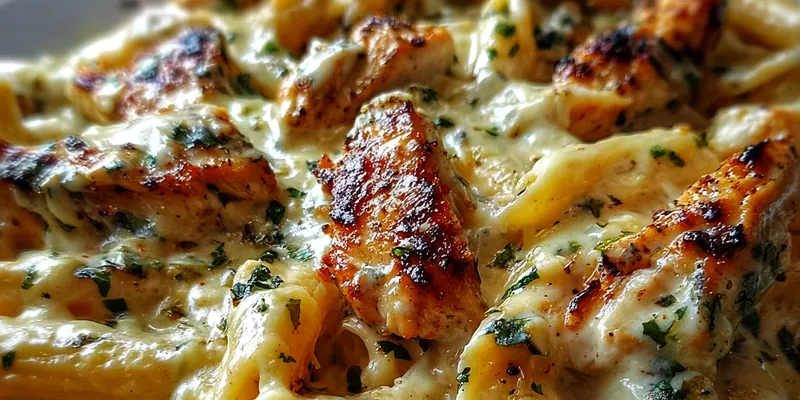
This Garlic Butter Chicken Penne with Creamy Three-Cheese Sauce is the ultimate comfort food that brings restaurant-quality flavors to your home kitchen. The combination of tender chicken, perfectly cooked pasta, and a luxuriously creamy sauce made with Parmesan, mozzarella, and Gruyere creates an irresistible dish that's surprisingly easy to make.

The Secret to Perfect Creamy Pasta
The key to achieving restaurant-quality creamy pasta at home lies in understanding the science behind emulsification and temperature control. When you combine hot pasta with cheese and cream, the residual heat helps create a silky, cohesive sauce that clings to every noodle. The starch from the pasta water acts as a natural emulsifier, helping to bind the fats from the cheese and cream with the liquid components.
This three-cheese blend isn't just for flavor complexity – each cheese serves a specific purpose. Parmesan provides sharp, nutty notes and helps thicken the sauce, mozzarella adds creamy stretch and mild flavor, while Gruyere contributes a sophisticated nuttiness that elevates the entire dish. The garlic butter base creates an aromatic foundation that infuses every bite with rich, savory flavor.
💡 Professional Tip
Always remove the pan from heat before adding cheese to prevent the proteins from seizing and creating a grainy texture. The residual heat is sufficient to melt the cheese smoothly.
Frequently Asked Questions
While this dish is best served fresh, you can prepare components ahead. Cook and season the chicken up to 2 days in advance, and store the cooked pasta separately. When ready to serve, reheat the chicken gently and prepare the sauce fresh, then combine everything together.
Yes, you can customize the cheese blend. Try using Romano instead of Parmesan for a sharper flavor, or substitute Fontina or Swiss for the Gruyere. Just ensure you maintain the same total amount and include at least one good melting cheese like mozzarella.
If your sauce breaks, remove it from heat immediately and whisk in a tablespoon of cold cream or reserved pasta water. If it's grainy, strain the sauce and return it to the pan off the heat, whisking in additional cream until smooth.
While convenient, freshly grated cheese melts much more smoothly due to the anti-caking agents in pre-shredded varieties. If you must use pre-shredded, add it gradually and whisk constantly to minimize clumping.
The chicken should reach an internal temperature of 165°F and have no pink areas. The sauce is ready when it coats the back of a spoon and the cheese is completely melted. The pasta should be al dente with a slight bite when tested.
This rich dish pairs beautifully with a crisp Caesar salad, garlic bread, or roasted vegetables like broccoli or asparagus. A light white wine like Pinot Grigio or Chardonnay complements the creamy sauce perfectly.
Absolutely! Sautéed mushrooms, sun-dried tomatoes, spinach, or roasted bell peppers work wonderfully. Add heartier vegetables with the chicken, and delicate greens like spinach at the very end to prevent overcooking.
Store leftovers in the refrigerator for up to 3 days in an airtight container. Reheat gently in a skillet over low heat, adding a splash of cream or milk to restore the creamy consistency. Avoid microwaving as it can cause the sauce to separate.
Recipe Troubleshooting Guide
Sauce Too Thick
Problem: The cheese sauce becomes too thick and doesn't coat the pasta properly.
Solution: Gradually add reserved pasta water or warm cream, one tablespoon at a time, while tossing the pasta until you achieve the desired consistency.
Chicken Overcooking
Problem: Chicken pieces become dry and tough during cooking.
Solution: Cut chicken into uniform pieces for even cooking, don't overcrowd the pan, and remove immediately when internal temperature reaches 165°F. Let residual heat finish the cooking.
Garlic Burning
Problem: Garlic turns brown and bitter while cooking.
Prevention: Add garlic after reducing heat to medium-low and cook only until fragrant, about 1 minute. If it starts to brown, immediately add the cream to stop the cooking process.
Pasta Sticking
Problem: Pasta clumps together while waiting to be combined with sauce.
Recovery: Toss drained pasta with a small amount of olive oil to prevent sticking, or combine with the sauce immediately after draining while still hot.
Sauce Separating
Problem: The cream sauce breaks and appears curdled or oily.
Prevention: Remove from heat immediately, add a tablespoon of cold cream, and whisk vigorously. If needed, blend with an immersion blender to re-emulsify.
Flavor Balance
Too Sweet: If the sauce tastes too sweet, add a pinch of salt or a squeeze of fresh lemon juice to balance the flavors.
Too Salty: If too salty, add more cream or a splash of unsalted chicken broth to dilute the saltiness.
Bland: If the dish lacks flavor, increase the garlic, add more Parmesan cheese, or season with additional Italian herbs and black pepper.
Choosing Quality Ingredients
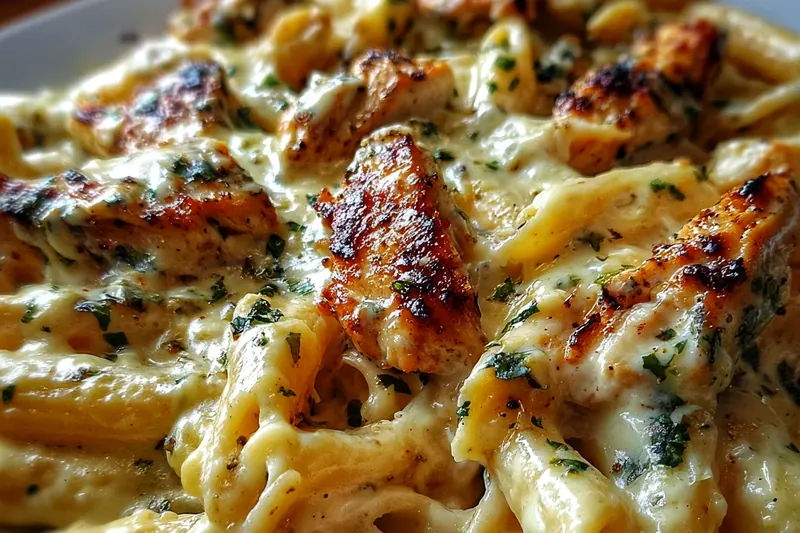
The quality of your ingredients directly impacts the final dish, so it's worth investing in the best you can afford. For the chicken, choose organic, free-range breasts when possible – they have better flavor and texture. When selecting pasta, look for brands made from durum wheat semolina, which holds its shape better and provides the ideal texture for creamy sauces.
For the cheese blend, freshly grated varieties will always give you the smoothest, most flavorful sauce. Parmigiano-Reggiano offers the best flavor for Parmesan, while whole milk mozzarella provides optimal creaminess. The heavy cream should be at least 35% fat content to ensure proper thickening and richness without breaking.
Essential Ingredient Notes
- Chicken Breasts: Choose breasts of similar thickness for even cooking, or pound them to uniform thickness before cutting into pieces.
- Fresh Garlic: Use fresh cloves rather than pre-minced for the best flavor. The oils in fresh garlic are more potent and aromatic.
- Three Cheeses: Grate cheeses just before using and bring to room temperature for smoother melting and better incorporation.
Mastering the Cooking Technique
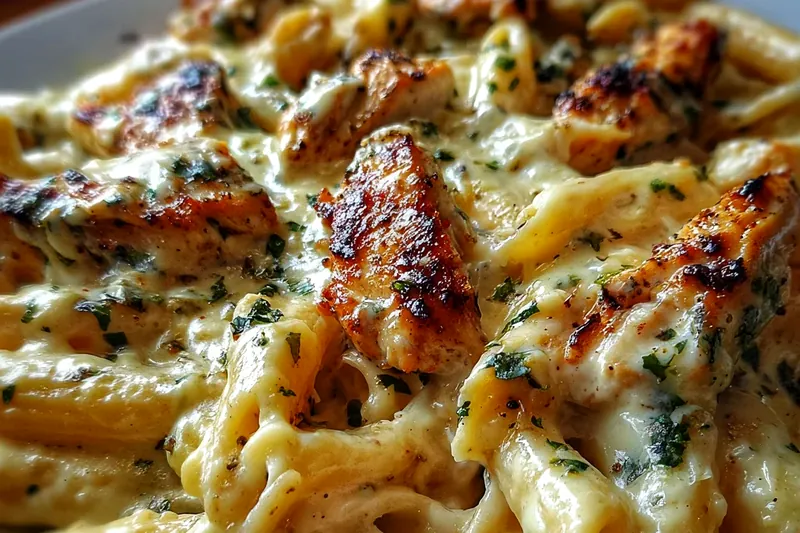
The success of this dish relies heavily on proper timing and temperature control. Start by cooking your pasta until just shy of al dente, as it will continue cooking when combined with the hot sauce. This prevents overcooking and ensures the perfect texture in the final dish. The chicken should be cooked over medium-high heat to achieve a golden exterior while maintaining juicy interiors.
The sauce-making process requires patience and attention to detail. Building the garlic butter base at the right temperature prevents burning while maximizing flavor extraction. When adding the cream and cheese, working off the heat ensures smooth incorporation without breaking or curdling. The final step of combining everything while hot allows the pasta to absorb flavors while the starches help bind the sauce.
The Pasta Finishing Technique
Professional chefs always finish pasta in the sauce rather than simply topping cooked pasta. This technique, called 'mantecatura,' allows the pasta to absorb flavors while the starch helps create a cohesive, glossy sauce that clings to every piece. The key is having everything hot and working quickly to prevent the sauce from cooling and breaking.
Garlic Butter Chicken Penne with Creamy Three-Cheese Sauce
📋 Ingredients
Proteins & Pasta
- 1 cup heavy creamUse 35% fat content for best results
- 1/2 cup chicken brothLow-sodium preferred for better control
- 1 cup freshly grated Parmesan cheeseParmigiano-Reggiano for best flavor
- 1/2 cup shredded mozzarella cheeseWhole milk variety for creaminess
- 1/2 cup shredded Gruyere cheeseAdds nutty depth to the sauce
Dairy & Seasonings
- 1 lb penne pastaChoose high-quality durum wheat pasta
- 2 lbs boneless skinless chicken breasts, cut into bite-sized piecesCut into uniform pieces for even cooking
- 6 cloves garlic, mincedFresh garlic provides the best flavor
- 6 tablespoons butterUnsalted butter for better control
- 2 tablespoons olive oilExtra virgin for best flavor
Instructions
Step 1: Cook the pasta
Bring a large pot of salted water to boil. Cook penne according to package directions until al dente. Reserve 1 cup pasta water before draining.
Step 2: Season and cook chicken
Season chicken pieces with salt, pepper, and Italian seasoning. Heat olive oil in a large skillet over medium-high heat. Cook chicken for 6-8 minutes until golden and cooked through. Remove and set aside.
Step 3: Make garlic butter base
In the same skillet, reduce heat to medium. Add butter and minced garlic. Cook for 1-2 minutes until fragrant, being careful not to burn the garlic.
Step 4: Create the cream sauce
Pour in heavy cream and chicken broth. Bring to a gentle simmer and cook for 3-4 minutes until slightly thickened.
Step 5: Add the three cheeses
Remove from heat and gradually whisk in Parmesan, mozzarella, and Gruyere cheeses until smooth and melted. Season with salt, pepper, and red pepper flakes if using.
Step 6: Combine everything
Return chicken to the skillet, then add the cooked pasta. Toss everything together, adding reserved pasta water as needed to achieve desired consistency.
Step 7: Serve
Transfer to serving bowls and garnish with fresh parsley and additional Parmesan cheese. Serve immediately while hot.
Recipe Notes & Tips
Storage
Store leftovers in the refrigerator for up to 3 days. Reheat gently over low heat with a splash of cream to restore consistency. Do not freeze as the sauce may separate.
Serving Suggestions
Serve with a crisp green salad, garlic bread, and a glass of Chardonnay or Pinot Grigio. Roasted vegetables like broccoli or asparagus make excellent sides.
Variations
Try adding sun-dried tomatoes, sautéed mushrooms, or fresh spinach. You can also substitute the chicken with shrimp or use different pasta shapes like rigatoni or fusilli.