Easy Dragon Sushi Rolls
Dragon Sushi Rolls are the showstopper of any sushi platter, featuring creamy avocado arranged like dragon scales over a delicious filling of crab, cream cheese, and crisp cucumber. This restaurant favorite is surprisingly easy to make at home and always impresses guests with its beautiful presentation and amazing flavor combination. Once you master this technique, you'll be making sushi night a regular tradition!


Mastering the Dragon Roll Technique
The Dragon Roll is an inside-out sushi roll, meaning the rice is on the outside with the nori hidden inside. This technique, called uramaki in Japanese, requires a gentle touch and proper rice preparation. The key to success is using short-grain sushi rice that's been properly seasoned with rice vinegar, sugar, and salt, then cooled to room temperature. Rice that's too warm will make the nori soggy and cause the roll to fall apart, while rice that's too cold won't stick together properly.
The signature feature of the Dragon Roll is the avocado 'scales' that cover the outside, creating the appearance of a dragon. Choosing the right avocado is crucial - you want fruit that's ripe enough to be creamy but firm enough to hold its shape when sliced thin. The avocado should yield slightly to gentle pressure but shouldn't be mushy. Many home cooks struggle with the rolling technique at first, but with practice, you'll develop the muscle memory needed to create tight, beautiful rolls that hold together when sliced.
💡 Professional Tip
Always wet your knife with water before each cut and use a gentle sawing motion rather than pressing straight down. This prevents the rice from sticking to the blade and ensures clean cuts that showcase the beautiful layers inside your dragon roll.
Frequently Asked Questions
Dragon rolls are best enjoyed fresh, but you can prepare them up to 2-3 hours in advance. Make the complete rolls without slicing them, wrap tightly in plastic wrap, and refrigerate. The avocado may darken slightly, so brush it with a little lemon juice mixed with water to prevent browning. Slice just before serving for the cleanest presentation. Avoid making them more than 3-4 hours ahead as the rice will begin to harden in the refrigerator.
Real crab meat is the premium option and provides superior flavor and texture. Cooked shrimp (tempura shrimp is especially popular), smoked salmon, or even grilled chicken can work well. For vegetarian versions, try marinated and baked tofu, sweet potato tempura, or shiitake mushrooms. Just ensure whatever protein you use is cut into strips that are easy to bite through when eating the roll.
While a bamboo rolling mat (makisu) makes the process easier and costs only a few dollars, you can improvise with a kitchen towel covered in plastic wrap. You'll also want a very sharp knife - dull knives tear the rolls instead of slicing cleanly. A rice cooker helps achieve perfect sushi rice consistency, but a regular pot works fine if you follow the package directions carefully. The plastic wrap over your rolling mat is essential to prevent rice from sticking.
Overly sticky rice usually results from one of three issues: using too much water when cooking, not rinsing the rice enough before cooking to remove excess starch, or not letting the rice cool to room temperature before using it. Always rinse sushi rice until the water runs clear, use the exact water ratio recommended (typically 1:1 for sushi rice), and spread cooked rice on a baking sheet to cool while gently folding in the vinegar seasoning.
A perfect avocado for dragon rolls should yield to gentle pressure when squeezed but still feel relatively firm. The skin might be turning from green to dark purple-black. When you cut it open, you should be able to slice it cleanly without it turning to mush, but it should still feel creamy. If the avocado is too hard, it won't conform to the roll's shape; too soft and it will turn into guacamole when you try to slice it. Buying avocados 2-3 days before you plan to make sushi allows you to ripen them perfectly.
Dragon rolls pair beautifully with traditional sushi accompaniments: pickled ginger (gari) to cleanse the palate between pieces, wasabi for heat, and high-quality soy sauce for dipping. Consider serving alongside miso soup, edamame, seaweed salad, or Japanese cucumber salad. For a complete sushi night, offer 2-3 different roll varieties, some nigiri, and perhaps a Japanese-inspired dessert like mochi ice cream or green tea panna cotta.
Absolutely! Traditional Japanese sushi doesn't typically include cream cheese - it's an American innovation. You can omit it entirely for a lighter roll, or substitute with thinly sliced Japanese tamago (sweet egg omelet) for richness, or add a thin spread of Japanese mayo for creaminess. Some sushi lovers prefer their dragon rolls without cream cheese to let the avocado and crab flavors shine more prominently.
Leftover dragon rolls should be consumed within 24 hours for best quality and food safety. Store them in an airtight container in the refrigerator. The rice will firm up when cold, so let rolls sit at room temperature for 10-15 minutes before eating. Keep in mind that avocado will brown and the texture of all components degrades over time. If you know you'll have leftovers, consider storing the components separately and assembling fresh rolls the next day instead.
Recipe Troubleshooting Guide
Rice Falls Apart When Rolling
Problem: The rice layer breaks apart or doesn't stick together properly during rolling, leaving gaps and uneven coverage.
Solution: This typically happens when the rice is too dry or hasn't been seasoned with enough rice vinegar mixture. Make sure your hands are slightly damp with the vinegar-water mixture when spreading rice, which helps it stick together. Press the rice gently but firmly onto the nori, ensuring there are no gaps. The rice layer should be thin and even - about 1/4 inch thick. If your rice seems dry, you can lightly mist it with water from a spray bottle before rolling.
Avocado Slices Break or Tear
Problem: When arranging the avocado slices on top of the roll, they tear or fall apart instead of lying flat in neat scales.
Solution: Use avocados that are ripe but still slightly firm - the flesh should be creamy but not mushy. Slice the avocado as thinly as possible using a very sharp knife, and handle each slice gently with your fingers or a butter knife. If slices do tear, you can slightly overlap broken pieces to hide imperfections. Another technique is to fan out the avocado slices on a cutting board first, then transfer the whole fan to the top of the roll using a large spatula or your hand.
Roll is Too Thick or Uneven
Problem: The finished roll is bulky, uneven in thickness, or the filling is concentrated in one area rather than distributed evenly.
Prevention: Less is more when it comes to fillings. Use only 2-3 crab sticks per roll, a thin strip of cream cheese, and just 3-4 cucumber matchsticks. Arrange the filling ingredients in a tight, compact line rather than spreading them across the width of the nori. When you begin rolling, apply firm but gentle pressure to compress the filling as you roll. After forming the cylinder but before adding avocado, use the bamboo mat to shape and compress the roll into a uniform shape.
Nori Gets Soggy and Tears
Problem: The seaweed becomes soft and tears easily during rolling, or the finished roll has a chewy, soggy texture.
Recovery: Always use freshly opened nori sheets and keep unused sheets in an airtight container with a silica packet to prevent moisture absorption. Make sure your sushi rice has cooled completely to room temperature before using - warm rice creates steam that softens the nori. Work quickly once you've assembled the ingredients on the nori sheet. If your kitchen is very humid, you might want to toast the nori lightly by waving it over a gas flame or warming it briefly in a dry pan to crisp it up before use.
Cuts Are Messy and Ingredients Fall Out
Problem: When slicing the roll, the rice smears, ingredients squeeze out, or pieces fall apart instead of creating clean cuts.
Prevention: The sharpness of your knife is critical - a dull knife will squish rather than cut. Use a long, sharp knife with a smooth blade (not serrated). Dip the knife in water before every single cut, and wipe it clean with a damp towel between cuts to remove rice buildup. Use a gentle sawing motion rather than pressing straight down. If the roll is too soft to cut cleanly, wrap it in plastic wrap and refrigerate for 10-15 minutes to firm up slightly, then remove the plastic and cut immediately.
Flavor Balance Issues
Too Sweet: If the eel sauce makes the roll too sweet, reduce the amount of drizzle by half, or balance it with a squeeze of fresh lemon juice over the finished roll. You can also mix the eel sauce with a little soy sauce to cut the sweetness.
Too Salty: If the roll tastes too salty, it's likely from over-seasoning the rice or using too much soy sauce. Reduce the amount of salt in your sushi rice seasoning, and serve soy sauce on the side for dipping rather than drizzling it over the rolls. Rinse imitation crab sticks briefly under cold water as they can be quite salty.
Bland: If your dragon roll lacks flavor, ensure you're seasoning the sushi rice properly with the vinegar-sugar-salt mixture while it's still warm. Add more zing to your spicy mayo by increasing the sriracha ratio. Don't skip the sesame seeds and green onions as garnish - they add important flavor notes. A light sprinkle of togarashi (Japanese seven-spice) can also boost the flavor profile.

Selecting Quality Ingredients for Perfect Dragon Rolls
The quality of your ingredients directly impacts the final result of your dragon rolls. Start with authentic short-grain Japanese sushi rice (sometimes labeled 'sushi rice' or 'Calrose rice') rather than long-grain varieties, as only short-grain rice has the proper starch content to achieve that signature sticky texture. When shopping for nori, look for sheets labeled 'sushi grade' or 'grade A' - they should be dark green to black, not brown, and should feel crisp and dry when you touch them. Store nori in an airtight container with a desiccant packet to maintain freshness, as it absorbs moisture from the air quickly.
For the best flavor and texture, invest in quality imitation crab (surimi) or upgrade to real crab meat if your budget allows. Check that imitation crab has a good balance of seafood flavor without being overly processed - the ingredient list should list fish or seafood as the primary component. Your cream cheese should be full-fat for the best creamy texture; low-fat versions tend to be crumbly and don't spread as easily. Choose English cucumbers (also called hothouse cucumbers) rather than regular cucumbers because they have fewer seeds, thinner skin, and stay crunchier in the roll. The key to exceptional dragon rolls is balancing premium ingredients with technique.
Essential Ingredient Notes
- Sushi Rice: Use authentic short-grain Japanese rice and rinse it thoroughly until water runs clear to remove excess starch. Cook according to package directions, then season while warm with a mixture of rice vinegar, sugar, and salt (ratio: 1/4 cup vinegar, 2 tablespoons sugar, 1 teaspoon salt per 2 cups uncooked rice). Spread on a baking sheet and fan while folding gently to cool to room temperature. Properly prepared rice should be sticky enough to hold together but not mushy.
- Ripe Avocados: The avocado makes or breaks the dragon roll appearance. Choose Hass avocados that yield slightly to gentle pressure but aren't overly soft. If purchasing in advance, buy them while still firm and ripen at room temperature for 2-3 days. To test ripeness, remove the small stem cap - if it's green underneath, it's perfect. If it's brown, the avocado is overripe. To prevent browning, brush sliced avocado lightly with water mixed with a few drops of lemon juice.
- Fresh Nori Sheets: Quality nori is essential for structural integrity and flavor. Look for packages marked 'gold grade' or 'grade A' from Japanese brands like Nagai or Yamamotoyama. Sheets should be uniformly dark (almost black) with a slightly shiny surface. Open the package only when ready to use, and store remaining sheets with the included desiccant packet in an airtight container or resealable bag. Nori that has absorbed moisture will be chewy and difficult to work with.
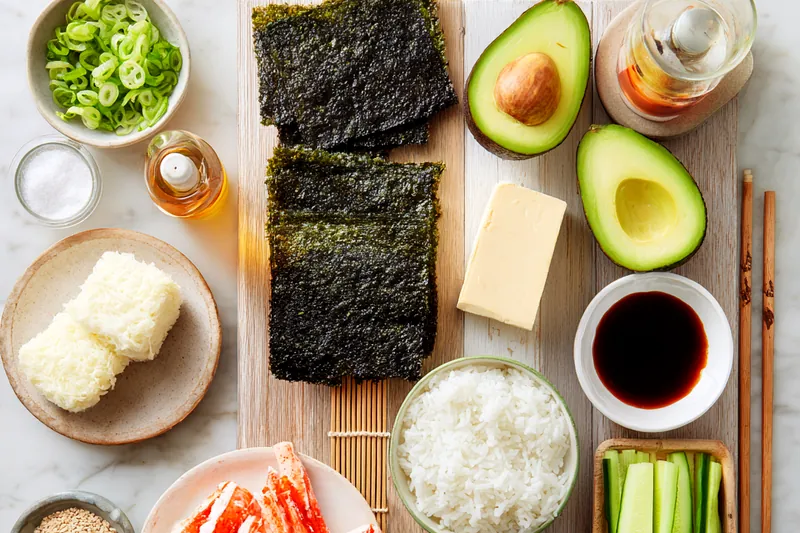
Perfecting Your Sushi Rolling Technique
Creating beautiful inside-out rolls requires practice and patience, but the basic technique is straightforward once you understand the mechanics. The key is maintaining even pressure throughout the rolling process - too loose and the roll falls apart when cut, too tight and ingredients squeeze out the sides. Start by covering your bamboo mat completely with plastic wrap, which prevents rice from sticking between the slats. When spreading rice on the nori, use wet hands and work quickly, pressing gently to create an even layer about 1/4 inch thick that covers the entire sheet edge to edge.
The moment of truth comes when you flip the rice-covered nori upside down, positioning your fillings, and begin the roll. Use your thumbs to lift the edge of the bamboo mat while using your fingers to hold the fillings in place. Roll forward with steady pressure, pulling back slightly on the mat with each forward motion to compress the roll. When you complete the roll, the seam of the nori should be on the bottom. Use the mat to shape and compress the roll into a uniform cylinder before adding the avocado scales. The final pressing with the avocado-covered roll (through plastic wrap) ensures everything adheres properly.
Creating the Dragon Scale Pattern
The distinctive dragon scale appearance requires precise avocado placement. Slice your avocado halves crosswise into very thin slices (about 1/8 inch thick), keeping them in the original half-moon shape. Gently fan them out by pressing lightly so they overlap slightly. Transfer the fanned avocado to the top of your roll by sliding your hand under the slices or using a large spatula. Arrange them so they completely cover the roll from end to end. Cover with plastic wrap and use the bamboo mat to gently but firmly press the avocado into the roll, forming it around the cylinder shape. The plastic wrap prevents the avocado from sticking to the mat while ensuring good adhesion to the rice.
Easy Dragon Sushi Rolls
📋 Ingredients
For the Roll
- 1/4 cup eel sauce (unagi sauce)Sweet, thick Japanese sauce - find in Asian section or buy online
- 1/4 cup spicy mayoMix 1/4 cup mayo with 1-2 tsp sriracha and a squeeze of lime
- 2 tablespoons toasted sesame seedsUse a mix of white and black sesame seeds for visual appeal
- 2 green onions, finely slicedUse only the green parts for bright color and mild flavor
For Serving
- 4 sheets nori (seaweed)Use fresh, crispy grade A nori from an Asian grocery store
- 2 cups prepared sushi rice, cooled to room temperatureShould be sticky but not mushy - season with rice vinegar mixture
- 2 ripe avocados, thinly slicedShould be creamy but firm enough to slice cleanly - not mushy
- 8 oz imitation crab sticksCan substitute real crab meat, cooked shrimp, or grilled chicken
- 4 oz cream cheese, cut into thin stripsUse full-fat cream cheese at room temperature for easy spreading
- 1 English cucumber, julienned into matchsticksSeedless cucumbers stay crunchier - cut into 1/4 inch sticks
- 1/4 cup rice vinegar mixed with waterFor keeping hands wet while handling rice - prevents sticking
Instructions
Prepare Your Workspace
Cover your bamboo rolling mat completely with plastic wrap to prevent rice from sticking between the slats. Prepare a small bowl with water mixed with a tablespoon of rice vinegar for wetting your hands. Arrange all your ingredients within easy reach: cooled sushi rice, nori sheets, crab sticks, cream cheese strips, cucumber matchsticks, and sliced avocado. Having everything organized before you start makes the rolling process much smoother.
Create the Inside-Out Roll Base
Place one nori sheet shiny-side down on your prepared bamboo mat. Wet your hands with the vinegar water, then take about 1/2 cup of sushi rice and spread it evenly across the entire nori sheet, pressing gently to create a thin, uniform layer about 1/4 inch thick with no gaps. Sprinkle the rice with sesame seeds. Carefully flip the entire sheet over so the rice side is now face-down on the mat and the nori is facing up.
Add Your Fillings
On the nori side that's now facing up, arrange your fillings in a horizontal line about 1 inch from the edge closest to you. Place 2-3 crab sticks end-to-end in a line, then add a thin strip of cream cheese next to them, followed by 3-4 cucumber matchsticks. Keep your fillings compact and in a tight line - don't overfill or the roll will be difficult to close and cut. Less filling makes for easier rolling and better texture balance.
Roll and Compress
Using both hands, lift the edge of the bamboo mat closest to you with your thumbs while using your fingers to hold the fillings in place. Roll the mat over the fillings, applying gentle but firm pressure to create a tight cylinder. Continue rolling away from you, using the mat to maintain shape and applying pressure along the entire length. When you complete the roll, give it a final gentle squeeze all around using the mat to compress everything together. The seam should be on the bottom.
Create the Dragon Scales
Arrange thin avocado slices in overlapping rows along the entire top of your roll, creating a scale-like pattern that completely covers the surface. Cover the avocado-topped roll with plastic wrap, then use the bamboo mat to gently press and shape the avocado into the roll, ensuring it adheres well to the rice underneath. Apply even pressure but don't squeeze so hard that filling comes out the ends. Remove the plastic wrap carefully.
Slice, Sauce, and Garnish
Dip a very sharp knife in water and wipe it clean. Using a gentle sawing motion (not pressing straight down), cut the roll in half. Dip and wipe the knife again, then cut each half into 4 equal pieces for a total of 8 pieces. Arrange on a serving plate, then drizzle with eel sauce and spicy mayo in a zigzag pattern. Garnish generously with remaining sesame seeds and sliced green onions. Serve immediately with pickled ginger, wasabi, and soy sauce on the side.
Recipe Notes & Tips
Storage
Dragon rolls are best enjoyed fresh but can be refrigerated for up to 24 hours in an airtight container. The rice will firm up when cold, so let rolls sit at room temperature for 10-15 minutes before serving. Avocado may darken slightly - brush with lemon-water mixture before storing to slow browning. For best results, store uncut rolls and slice just before serving.
Serving Suggestions
Serve dragon rolls as part of a sushi platter alongside California rolls, spicy tuna rolls, or nigiri. Traditional accompaniments include pickled ginger (to cleanse the palate), wasabi (for heat), and high-quality soy sauce for dipping. Pair with miso soup, edamame, seaweed salad, or Japanese cucumber salad for a complete meal. Green tea or sake makes an authentic beverage pairing.
Variations
Make it spicier by adding sriracha to the cream cheese or mixing spicy mayo into the rice. For a crunchier texture, add tempura flakes inside the roll. Substitute the crab with tempura shrimp, smoked salmon, or cooked eel. For vegetarian versions, use sweet potato tempura, marinated tofu, or shiitake mushrooms. You can also create a 'rainbow dragon' by topping with multiple types of thinly sliced fish instead of just avocado.