Crispy Sweet and Spicy Pork Strips - Better Than Takeout
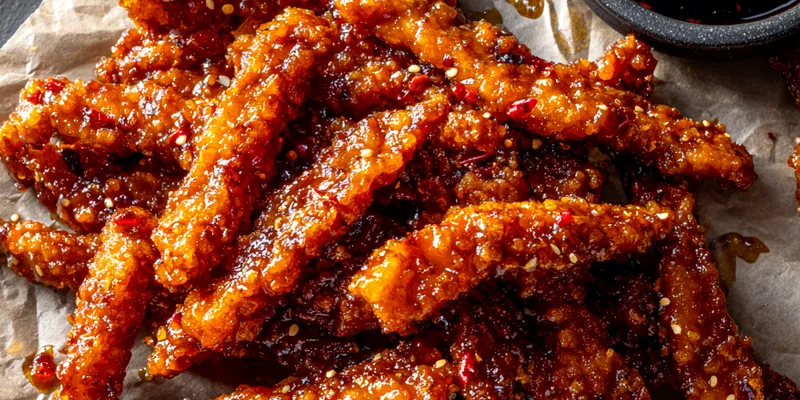
These Crispy Sweet and Spicy Pork Strips will change your weeknight dinner game forever! Tender pork tenderloin gets double-coated in a crunchy breading, fried to golden perfection, then tossed in a sticky-sweet sauce with just the right amount of heat. The result is restaurant-quality takeout that's better, fresher, and ready in under an hour right in your own kitchen.

Why This Recipe Works
The magic of these pork strips lies in the double-coating technique borrowed from professional kitchens. By dredging the pork in seasoned flour, then egg, then flour again, you create multiple layers that fry up incredibly crispy with a substantial, satisfying crunch. The cornstarch added to the flour mixture is crucial - it creates an extra-light, extra-crispy coating that stays crunchy even after being tossed in sauce.
Pork tenderloin is the ideal cut for this recipe because it's naturally lean and tender, cooking quickly without becoming tough or dry. Unlike fattier cuts, tenderloin absorbs minimal oil during frying, resulting in a lighter dish that doesn't feel heavy. The key is cutting uniform strips so they cook evenly, and never skipping the step of patting the meat completely dry before breading.
💡 Professional Tip
Let your breaded pork strips rest on a wire rack for 5 minutes before frying. This allows the coating to set and adhere better, preventing it from falling off in the oil and ensuring maximum crispiness.
Frequently Asked Questions
You can bread the pork strips up to 4 hours ahead and keep them refrigerated on a wire rack until ready to fry. However, for best results, fry and sauce the pork just before serving since the coating loses crispiness over time. If you must prepare completely ahead, fry the pork and refrigerate without sauce, then reheat in a 400°F oven for 5-7 minutes and toss with freshly made warm sauce.
Yes! Boneless pork chops work beautifully and are often more affordable than tenderloin. Cut them into similar-sized strips. You can also use pork loin, though it may be slightly less tender. Avoid fattier cuts like pork shoulder as they don't crisp as well and can become greasy when fried.
Test oil temperature by dropping a small cube of bread into it. If the bread browns in about 60 seconds, your oil is around 350°F and ready for frying. You can also stick a wooden chopstick or wooden spoon handle in the oil - if bubbles form actively around it, the oil is hot enough.
While baking won't achieve the same level of crispiness, you can bake them at 425°F on a wire rack set over a baking sheet for 20-25 minutes, flipping halfway through. Spray the breaded strips generously with cooking spray before baking. The texture will be different but still delicious, and it's a healthier alternative.
Pork is safely cooked at an internal temperature of 145°F. The strips should be golden brown on the outside and no longer pink in the center. Since they're thin, they cook quickly - usually 3-4 minutes per side. When you cut into one, the juices should run clear, not pink, and the meat should feel firm but not tough.
These pork strips pair perfectly with steamed jasmine rice or fried rice to soak up the extra sauce. Add steamed broccoli, snap peas, or bok choy for vegetables. For a complete meal, serve with Asian cucumber salad, egg rolls, or pot stickers. The dish also works great over noodles or as a filling for lettuce wraps.
Control the heat by adjusting the sriracha amount. For mild, use just 1 tablespoon. For extra spicy, increase to 3 tablespoons or add red pepper flakes to the sauce. You can also serve extra sriracha on the side so everyone can customize their heat level. The honey balances the spice beautifully, so adjust both together to find your perfect sweet-heat ratio.
Store cooled pork strips in an airtight container in the refrigerator for up to 3 days. Reheat in a 400°F oven for 8-10 minutes to restore some crispiness - avoid the microwave as it makes the coating soggy. The texture won't be quite as crispy as fresh, but they'll still be delicious. Store any extra sauce separately and add fresh when reheating.
Recipe Troubleshooting Guide
Coating Falls Off During Frying
Problem: The breading is sliding off the pork or falling apart in the oil, leaving bare spots on the meat.
Solution: This happens when the pork isn't dry enough or the coating hasn't set. Always pat pork completely dry with paper towels before breading. Let breaded strips rest on a wire rack for 5 minutes before frying. Make sure oil is at proper temperature (350°F) - if too cool, coating absorbs oil and falls apart. Don't overcrowd the pan, and avoid moving pieces too much once in the oil.
Pork is Tough or Dry
Problem: The pork strips came out chewy, tough, or dry instead of tender and juicy.
Solution: You've overcooked the pork. Pork tenderloin cooks very quickly and should reach only 145°F internal temperature. Use a meat thermometer and remove strips as soon as they're golden brown - they'll continue cooking slightly after removal. Cut strips uniformly so they cook evenly. If pork was in the pan too long or oil was too cool, causing extended cooking time, this creates dryness.
Coating is Not Crispy Enough
Problem: The breading is pale, soft, or not achieving that satisfying crunch.
Prevention: Oil temperature is likely too low. Heat oil to 350°F before adding pork and maintain this temperature throughout frying. Don't overcrowd the pan as this drops oil temperature. Make sure you're using the cornstarch in the flour mixture - it's essential for crispiness. Double-check that you're coating twice (flour, egg, flour). Fry in smaller batches and give each piece space.
Sauce Makes Everything Soggy
Problem: After tossing in sauce, the crispy coating becomes soggy and limp.
Recovery: Toss the pork in sauce just before serving and work quickly. Make sure sauce has thickened properly with the cornstarch slurry - watery sauce soaks into coating. Only toss with enough sauce to coat lightly rather than drowning the pieces. For maximum crispiness, serve sauce on the side for dipping instead of tossing. If serving to a crowd, sauce pieces in small batches as needed.
Oil Spattering Everywhere
Problem: Oil is popping and spattering dangerously while frying, creating a mess and safety hazard.
Prevention: This occurs when moisture hits hot oil. Ensure pork is completely dry before breading - any water causes violent spattering. Let breaded strips drain excess egg back into the bowl before final flour coating. Don't add too many pieces at once. Use a splatter screen over your pan. Lower pork gently into oil rather than dropping from height. If oil is smoking, it's too hot - reduce heat slightly.
Flavor Balance Issues
Too Sweet: If sauce is too sweet, add more rice vinegar (1-2 teaspoons at a time) and a splash of soy sauce to balance. A squeeze of fresh lime juice also cuts sweetness beautifully.
Too Salty: If too salty, add more honey (1 tablespoon at a time) and a splash of water to dilute. You can also add a bit more sriracha to balance the salt with heat and sweetness.
Bland: If sauce lacks punch, it needs more garlic, ginger, or both. Add extra sriracha for heat, or a splash of rice vinegar for brightness. Don't forget to season the pork itself with salt and pepper before breading.
Ingredient Selection Guide
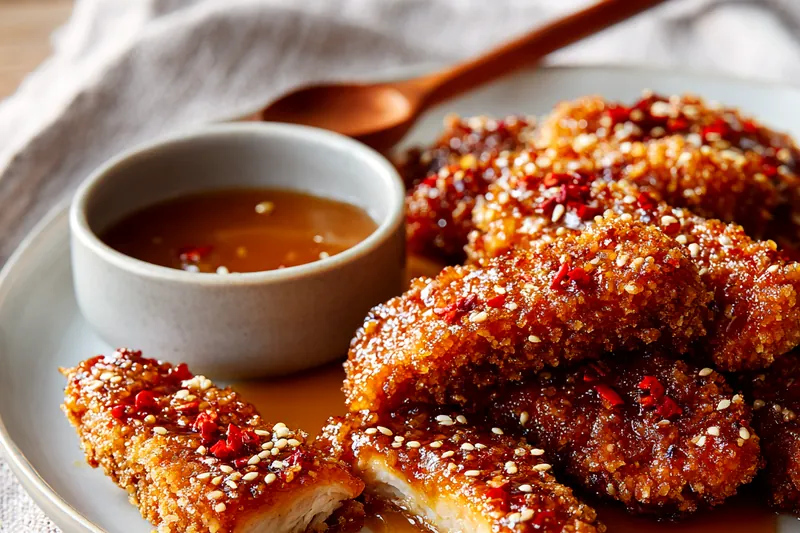
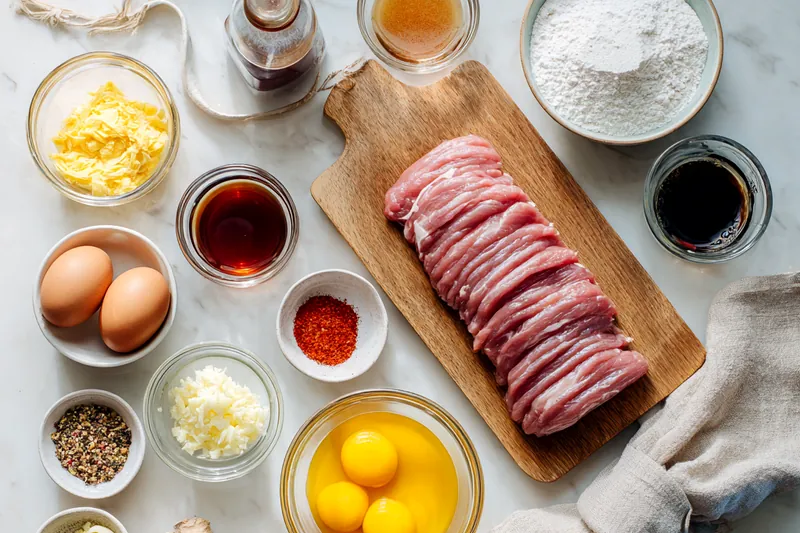
Choosing the right pork makes all the difference in this recipe. Look for pork tenderloin that's pale pink in color with minimal fat. The tenderloin is a long, narrow muscle that runs along the pig's backbone, typically weighing 1 to 1½ pounds. Don't confuse it with pork loin, which is larger and fattier. Fresh is always best, but if using frozen, thaw completely in the refrigerator for 24 hours and pat very dry before using.
For the coating, all-purpose flour combined with cornstarch creates the perfect texture. The cornstarch is non-negotiable - it produces that signature crispy, almost glass-like crunch found in restaurant dishes. For the sauce, use real honey rather than honey-flavored syrup for best flavor. Good quality soy sauce (preferably low-sodium so you can control salt) and fresh garlic and ginger make a huge difference over pre-minced versions from jars.
Essential Ingredient Notes
- Pork Tenderloin: Select tenderloin that's uniform in thickness for even cooking. If one end is significantly thinner, you can butterfly the thicker end or cut pieces slightly larger from the thin end to match. Always slice against the grain for maximum tenderness. The silver skin (thin membrane) should be removed if present.
- Cornstarch: Cornstarch is the secret to ultra-crispy coating that stays crunchy longer. It absorbs less oil than flour alone and creates a lighter, more delicate crust. The cornstarch slurry used to thicken the sauce should be mixed until completely smooth with no lumps before adding to the hot liquid.
- Fresh Ginger and Garlic: Fresh ginger and garlic provide aromatic complexity that jarred versions can't match. Grate ginger on a microplane for the finest texture, which distributes flavor evenly through the sauce. Mince garlic finely so it doesn't burn during cooking. Together they create the authentic Asian flavor profile that makes this dish special.
Mastering the Technique
The key to achieving restaurant-quality results lies in maintaining proper oil temperature throughout the frying process. Use enough oil to come at least 1 inch up the sides of your pan, which allows pieces to float and cook evenly without sticking to the bottom. A heavy-bottomed skillet or wok retains heat better than thin pans, preventing temperature drops when cold pork is added. Fry in small batches - overcrowding lowers oil temperature drastically, resulting in greasy, soggy coating instead of crispy perfection.
The sauce technique is equally important. Cooking the honey-based sauce creates a glossy, thick coating that clings to the pork without making it soggy. The cornstarch slurry must be stirred constantly as it's added to prevent lumps, and the sauce should bubble and thicken quickly - usually within 1-2 minutes. Don't overcook the sauce or it becomes too thick and candy-like. Toss the crispy pork in the sauce using a gentle folding motion rather than stirring vigorously, which can break the coating.
Double-Coating Method
The professional double-coating technique creates maximum crispiness by building layers. First dredge in flour mixture to create a dry base that helps egg stick. The egg creates a wet layer that allows the second flour coating to adhere. This second flour layer is what fries up extra crispy. Pat each piece gently after the final coating to help it adhere, then let rest briefly. This resting period allows the coating to set and the moisture from the egg to slightly hydrate the flour, creating a coating that stays put during frying and achieves superior crunch.
Crispy Sweet and Spicy Pork Strips - Better Than Takeout
📋 Ingredients
For the Pork
- ⅓ cup honeyUse real honey, not imitation syrup, for best flavor and consistency
- ¼ cup soy sauceLow-sodium preferred so you can control salt level
- 2 tablespoons rice vinegarAdds tangy brightness that balances sweetness
- 2 tablespoons sriracha sauceAdjust amount based on your heat preference
- 3 cloves garlic, mincedFresh garlic is essential for authentic flavor
- 1 tablespoon fresh ginger, gratedGrate on microplane for finest texture
- 1 tablespoon cornstarch mixed with 2 tablespoons waterMix until smooth with no lumps before adding to sauce
For the Sweet Spicy Sauce
- 1½ pounds pork tenderloinCut into ½-inch thick strips, about 3-4 inches long
- 1 cup all-purpose flourForms the base of the crispy coating
- ½ cup cornstarchEssential for extra-crispy texture
- 2 large eggs, beatenBeat thoroughly until completely combined
- 1 teaspoon saltFor seasoning the pork before breading
- ½ teaspoon black pepperFreshly ground for best flavor
- Vegetable oil for fryingNeed enough for 1 inch depth in your pan
- Sesame seeds and sliced green onions for garnishOptional but adds authentic finishing touch
Instructions
Prepare the Pork
Cut pork tenderloin into strips about ½-inch thick and 3-4 inches long. Pat completely dry with paper towels - this is crucial for coating adhesion. Season with salt and pepper. Set up your breading station with flour mixed with cornstarch in one shallow dish and beaten eggs in another.
Bread the Pork Strips
Dredge each pork strip in the flour mixture, shaking off excess, then dip in beaten egg allowing excess to drip off, and coat again in flour mixture pressing gently to adhere. Place breaded strips on a wire rack and let rest for 5 minutes to help coating set and adhere better during frying.
Fry Until Golden and Crispy
Heat 1 inch of vegetable oil in a large skillet or wok to 350°F. Fry pork strips in batches of 4-5 pieces without overcrowding, cooking about 3-4 minutes per side until deep golden brown and internal temperature reaches 145°F. Transfer to a paper towel-lined plate. Maintain oil temperature between batches.
Make the Sweet Spicy Sauce
In a separate large pan or wok, combine honey, soy sauce, rice vinegar, sriracha, minced garlic, and grated ginger. Bring to a simmer over medium heat, stirring occasionally. Add cornstarch slurry and cook, stirring constantly, for 1-2 minutes until sauce thickens, becomes glossy, and coats the back of a spoon.
Toss and Serve Immediately
Add fried pork strips to the thickened sauce and toss gently using a folding motion to coat evenly. Work quickly so the coating stays as crispy as possible. Transfer to a serving platter, garnish with sesame seeds and sliced green onions. Serve immediately while hot and crispy with extra sauce on the side if desired.
Recipe Notes & Tips
Storage
Store leftover pork strips in an airtight container in the refrigerator for up to 3 days. Reheat in a 400°F oven for 8-10 minutes to restore crispiness. Store sauce separately if possible and add fresh when reheating. These don't freeze well as the coating becomes soggy when thawed.
Serving Suggestions
Serve over steamed jasmine rice or fried rice with steamed vegetables like broccoli or snap peas. These strips also make excellent lettuce wraps, can be served over noodles, or enjoyed as an appetizer with extra dipping sauce. Perfect for game day gatherings or family dinner.
Variations
Try orange marmalade instead of honey for orange-glazed pork. Use chicken breast strips instead of pork for a similar dish. Make it gluten-free by substituting gluten-free all-purpose flour and using tamari instead of soy sauce. For extra heat, add red pepper flakes to the sauce or use more sriracha.