Cream Cheese and Berry French Toast Roll-Ups
These Cream Cheese and Berry French Toast Roll-Ups transform ordinary breakfast into something extraordinary. Imagine fluffy white bread rolled around a sweet cream cheese and berry filling, then dipped in custard and pan-fried until golden and crispy. The result is a handheld breakfast treat that's crispy on the outside, creamy on the inside, and bursting with berry flavor in every bite.

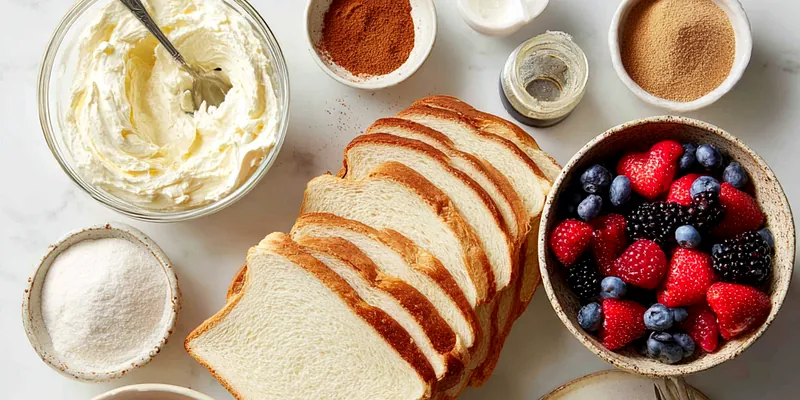
Why These French Toast Roll-Ups Are Irresistible
Traditional French toast is delicious, but these roll-ups take the concept to an entirely new level. By removing the crusts and flattening the bread, you create a pliable canvas that rolls tightly around the cream cheese and berry filling. This technique ensures every bite contains the perfect ratio of crispy exterior, custardy bread, tangy cream cheese, and sweet berry compote. The rolling method also creates more surface area for the cinnamon sugar coating to adhere, resulting in extra flavor and texture in every mouthful.
What makes these roll-ups particularly special is their versatility and presentation. They're elegant enough to serve at a bridal shower brunch yet simple enough for a Tuesday morning breakfast. Kids love them because they're handheld and fun to eat, while adults appreciate the sophisticated flavor combination. The contrast between the warm, cinnamon-spiced exterior and the cool, tangy cream cheese creates a delightful temperature and texture experience. Plus, they can be prepped ahead and cooked fresh, making them ideal for entertaining without the stress.
💡 Professional Tip
The key to perfect roll-ups is ensuring your bread is properly flattened and your cream cheese is at room temperature. Cold cream cheese will tear the bread, while over-softened cheese will be too runny. Aim for a spreadable consistency similar to soft butter.
Frequently Asked Questions
Yes! You can prepare the roll-ups through the rolling stage, cover them tightly with plastic wrap, and refrigerate for up to 24 hours before dipping and cooking. You can also freeze uncooked rolled bread (without egg coating) for up to 1 month. Thaw in the refrigerator overnight, then proceed with dipping in egg mixture and cooking. Cooked roll-ups can be refrigerated for 2 days and reheated in a 350°F oven for 8-10 minutes until warmed through.
White sandwich bread works best because it's soft and pliable when flattened, but you can experiment with potato bread or brioche for extra richness. Whole wheat bread tends to crack when rolled, so it's not ideal. Whatever bread you choose, it should be fresh and soft—stale bread won't roll without breaking. Avoid thick-sliced bread, as it won't flatten thin enough to roll properly.
Use a rolling pin and apply even, firm pressure while rolling from the center outward. Start with fresh, soft bread at room temperature. Roll on a clean countertop or cutting board, and don't press too hard initially—use several gentle passes rather than one aggressive roll. If the bread starts to tear, it may be too dry or stale. A small amount of the egg mixture brushed on stubborn spots can help soften them slightly.
Absolutely! Fresh berries work beautifully. Mash them slightly with a fork and add 1-2 teaspoons of sugar to create a chunky compote. Strawberries, raspberries, blueberries, or a combination all work well. You can also quickly cook fresh berries with a tablespoon of sugar over medium heat for 3-4 minutes until they break down and thicken slightly. This prevents excess liquid that could make the roll-ups soggy.
The roll-ups are done when all sides are golden brown and the bread feels firm to the touch, not mushy. This typically takes 6-8 minutes total, rotating them every 2 minutes to ensure even browning. The egg coating should be fully cooked with no wet spots remaining. If they're browning too quickly but the egg isn't cooked through, reduce the heat to medium-low. Internal temperature should reach 160°F if you want to check with a thermometer.
These roll-ups pair wonderfully with crispy bacon or breakfast sausage for a complete meal. Fresh fruit salad, yogurt parfait, or a smoothie provides a refreshing contrast to the rich, sweet roll-ups. For brunch gatherings, serve alongside scrambled eggs, breakfast potatoes, and mimosas. A side of extra berry compote, maple syrup, or whipped cream offers additional dipping options for those who want extra sweetness.
Definitely! Skip the cinnamon sugar coating and berry filling. Instead, use herb cream cheese or plain cream cheese with cooked bacon bits, sautéed spinach, or diced ham. Season the egg mixture with salt, pepper, and herbs instead of vanilla. You can also try a pizza version with mozzarella and marinara, or a breakfast version with scrambled eggs and cheese inside. The cooking method remains the same.
Store cooled roll-ups in an airtight container in the refrigerator for up to 3 days. Separate layers with parchment paper to prevent sticking. Reheat in a 350°F oven for 8-10 minutes until warmed through and slightly crispy again, or use a toaster oven for smaller portions. Avoid microwaving, as it makes them soggy. For best texture, consume within 24 hours. You can freeze cooked roll-ups for up to 1 month—thaw overnight in the refrigerator before reheating.
Recipe Troubleshooting Guide
Roll-Ups Unraveling During Cooking
Problem: The bread unrolls or opens up while cooking, causing filling to leak out.
Solution: Place roll-ups seam-side down first and let them cook for 2-3 minutes before turning. This allows the egg coating to set and seal the seam. Press gently with a spatula while cooking to help seal. Also ensure you're rolling tightly from the beginning and that your cream cheese isn't too warm or runny. Using a toothpick to secure the seam before dipping (remove before serving) can help with particularly stubborn rolls.
Soggy or Mushy Texture
Problem: The roll-ups turn out soggy instead of crispy, with a mushy texture.
Solution: Don't oversoak in the egg mixture—a quick dip coating all sides is sufficient. Make sure your pan is at the right temperature (medium heat) and the butter is hot before adding roll-ups. Cook on higher heat initially to create a crispy exterior, then reduce if needed. Avoid overcrowding the pan, which creates steam. If using frozen berries in the filling, thaw and drain excess liquid first. Pat the outside of roll-ups gently with paper towels before dipping if they seem moist.
Bread Tearing When Rolling
Problem: The bread tears or cracks when attempting to roll it around the filling.
Prevention: Use fresh, soft bread at room temperature—never cold or stale bread. Flatten more gradually with a rolling pin using several gentle passes rather than heavy pressure. If your bread is slightly dry, lightly brush it with water or a thin layer of the egg mixture before rolling. Roll immediately after flattening while the bread is most pliable. Consider switching to a softer bread variety like potato bread or ensuring you're using regular sandwich bread, not artisan or crusty varieties.
Burning Before Fully Cooked
Problem: The exterior browns too quickly while the egg coating remains undercooked.
Recovery: Reduce heat to medium or medium-low. Your pan may be too hot initially. Allow the roll-ups to cook more slowly, which gives the egg time to cook through while developing color gradually. Use a combination method: start on medium-high for initial browning, then reduce to medium-low and cover the pan for 1-2 minutes to help the heat penetrate. If consistently having this issue, try using a heavy-bottomed pan that distributes heat more evenly.
Cream Cheese Oozing Out Excessively
Problem: Too much cream cheese leaks out during cooking, creating a mess in the pan.
Prevention: Use less filling—1-2 teaspoons of cream cheese is sufficient per roll-up. Spread it in a thin, even layer leaving 1/2 inch border on all edges. Ensure your cream cheese is at proper room temperature (not too soft or melted). Roll tightly and seal well by pressing the edge firmly. Cook seam-side down first to seal it shut. If you prefer more filling, make a thicker cream cheese mixture by adding 1-2 tablespoons powdered sugar, which helps it stay more stable when heated.
Flavor Balance Issues
Too Sweet: If too sweet, reduce the berry jam to 1/2 teaspoon per roll and use unsweetened cream cheese. Skip the powdered sugar dusting or use it very sparingly. Consider using fresh berries instead of jam for more natural tartness.
Too Salty: If too salty, check you're using unsalted butter for cooking and that your bread isn't a salted variety. Ensure your cream cheese is regular, not whipped with added salt. The sweetness should balance any salt, so this is rarely an issue.
Bland: If bland, increase vanilla extract to 3/4 teaspoon in the egg mixture. Add a pinch of nutmeg to the cinnamon sugar. Use more cinnamon (up to 2 teaspoons with the sugar). Consider adding 1/2 teaspoon of lemon zest to the cream cheese for brightness, or use a flavored jam with more intense berry flavor.

Choosing the Right Ingredients for Perfect Roll-Ups
The bread selection is crucial for success with this recipe. Standard white sandwich bread works best because of its soft, pliable texture that flattens easily without tearing. Look for fresh bread with a tight crumb structure—bread that's too airy will have large holes that can create weak spots. Brands like Pepperidge Farm, Sara Lee, or store brands all work well. The bread should be fresh and stored at room temperature; refrigerated bread becomes too firm and dry to roll properly. Avoid artisan breads, sourdough, or anything with a crusty exterior or chewy texture.
For the filling, use full-fat brick-style cream cheese, not whipped or spreadable varieties which contain too much air and moisture. Soften it at room temperature for 30-60 minutes—it should be spreadable but still hold its shape. For the berry component, any jam or preserves work beautifully, but seedless varieties create a smoother experience. Strawberry, raspberry, mixed berry, and blueberry are all excellent choices. If using fresh berries, macerate them with sugar first to draw out juices and natural sweetness, creating a more concentrated flavor that won't make the bread soggy.
Essential Ingredient Notes
- White Sandwich Bread: Choose fresh, soft white bread with crusts that are easy to remove. The bread should compress to about half its original thickness when rolled. Store at room temperature and use within 2-3 days of purchase for best results. Never use frozen bread directly—it becomes too brittle.
- Cream Cheese: Set out at room temperature 30-60 minutes before using. It should be soft enough to spread easily but not melty or oily. For added flavor, mix in 1 tablespoon powdered sugar, 1/4 teaspoon vanilla, or a pinch of lemon zest. Neufchatel can substitute for a lighter option.
- Berry Filling: Seedless jams and preserves work best to avoid textural issues. Warm jam slightly (10 seconds in microwave) for easier spreading. If using fresh berries, mash them with 1 teaspoon sugar per 1/4 cup berries and let sit 10 minutes to create natural syrup. Strain excess liquid before using.

Mastering the Rolling and Cooking Technique
The rolling technique requires a gentle but firm hand. After removing crusts, place one slice of bread on a clean work surface and use a rolling pin to flatten it evenly, working from the center outward in all directions. The bread should be about 1/8 inch thick—thin enough to roll easily but not so thin it tears. Apply steady, even pressure rather than pressing hard in one spot. When adding filling, spread it in a thin layer leaving about 1/2 inch border on all edges, which prevents overflow when rolling. Start rolling from one short end, keeping tension consistent throughout the roll—too loose and it will unravel, too tight and the bread may tear.
Cooking requires attention to detail for the perfect golden-brown exterior. Heat your skillet over medium heat and add butter, swirling to coat the pan evenly. The butter should be melted and hot but not smoking. After dipping roll-ups in egg mixture, let excess drip off to prevent sogginess. Place them seam-side down first, giving the seam time to seal shut from the heat. Cook for about 2 minutes per side, rotating to ensure all sides become golden brown. The key is patience—rushing on high heat burns the outside while leaving the inside undercooked. Use medium heat and allow proper browning time. While still hot from the pan, immediately roll in cinnamon sugar so it adheres perfectly to the warm, slightly sticky surface.
The Perfect Egg Coating Technique
Whisk eggs, milk, and vanilla until completely smooth with no streaks of egg white visible. Pour into a shallow dish like a pie plate for easy dipping. Hold each roll-up with your fingers on both ends and roll it through the mixture, coating all sides evenly but quickly—aim for 2-3 seconds total contact time. Lift out and let excess drip back into the dish for 1-2 seconds before placing in the hot pan. This prevents a thick, gummy coating while ensuring complete coverage. If the egg mixture starts to thicken or get foamy, give it a quick whisk between batches. For extra richness, substitute half-and-half for the milk or add a tablespoon of melted butter to the egg mixture.
Cream Cheese and Berry French Toast Roll-Ups
📋 Ingredients
Bread and Filling
- 8 slices white sandwich bread, crusts removedUse fresh, soft white bread; remove crusts with a knife or tear off by hand
- 4 oz cream cheese, softened to room temperatureLet sit out 30-60 minutes until spreadable; don't microwave as it becomes too soft
- 1/4 cup berry jam or fresh berry compoteStrawberry, raspberry, or mixed berry work best; seedless preferred
Egg Mixture and Coating
- 2 large eggsRoom temperature eggs blend more smoothly with milk
- 2 tablespoons whole milkWhole milk creates richest flavor; 2% works in a pinch
- 1/2 teaspoon vanilla extractPure vanilla extract recommended for best flavor
- 1/4 cup granulated sugarMixed with cinnamon for coating
- 1 teaspoon ground cinnamonFresh cinnamon has stronger flavor; adjust to taste
- 2 tablespoons butter for cookingAdd more as needed; keeps roll-ups from sticking and adds flavor
- Powdered sugar for dustingOptional but creates beautiful presentation; dust right before serving
Instructions
Prepare the Bread
Cut or tear the crusts from all bread slices. Place one slice on a clean work surface and use a rolling pin to flatten it until thin and pliable, about 1/8 inch thick. Roll from the center outward in all directions, applying firm, even pressure. Repeat with remaining slices. Work with one or two slices at a time to prevent them from drying out.
Fill and Roll
Spread 1-2 teaspoons of softened cream cheese evenly over each flattened bread slice, leaving a 1/2 inch border on all edges. Place 1 teaspoon of berry jam on one end of the bread over the cream cheese. Starting from the end with jam, roll the bread tightly into a log shape, pressing gently as you roll to seal. Place seam-side down on a plate while you prepare the remaining roll-ups.
Prepare Coating and Egg Mixture
In a shallow bowl or pie dish, whisk together eggs, milk, and vanilla extract until completely smooth with no streaks of egg white. In a small bowl, thoroughly mix granulated sugar and cinnamon. Set both aside near your cooking area for easy access.
Cook the Roll-Ups
Heat a large non-stick skillet over medium heat and add 1 tablespoon butter, swirling to coat the pan. Working with 3-4 roll-ups at a time, quickly roll each through the egg mixture to coat all sides (2-3 seconds total), letting excess drip off. Place roll-ups seam-side down in the hot skillet. Cook for 2-3 minutes per side, rotating every 2 minutes, until all sides are golden brown and the egg coating is fully cooked. Add more butter to the pan as needed between batches.
Coat and Serve
While still hot from the pan, immediately roll each French toast roll-up in the cinnamon sugar mixture, coating all sides. The heat helps the sugar adhere perfectly. Transfer to a serving platter and dust generously with powdered sugar using a fine-mesh sieve. Serve immediately while warm with extra berry compote, maple syrup, or whipped cream on the side if desired.
Recipe Notes & Tips
Storage
Store leftover roll-ups in an airtight container in the refrigerator for up to 3 days. Reheat in a 350°F oven for 8-10 minutes to restore crispiness. Can be frozen for up to 1 month; thaw overnight in refrigerator before reheating. Best consumed within 24 hours for optimal texture.
Serving Suggestions
Serve with maple syrup, extra berry compote, whipped cream, or vanilla yogurt for dipping. Pairs beautifully with crispy bacon, breakfast sausage, or fresh fruit. For brunch gatherings, arrange on a platter with fresh berries and mint leaves for garnish. Can be kept warm in a 200°F oven for up to 30 minutes before serving.
Variations
Try Nutella and banana, peanut butter and jelly, apple pie filling with cinnamon, or lemon curd with blueberries. For savory versions, use herb cream cheese with ham or bacon. Can substitute brioche or challah bread for extra richness. Add 1/4 teaspoon orange zest to cream cheese for citrus variation.