Classic Glazed Meatloaf with Cheese Sauce
This classic meatloaf takes comfort food to the next level with perfectly seasoned ground beef, a sweet-tangy glaze, and an optional luxurious cheese sauce that makes every bite extraordinary. It's the kind of recipe that brings everyone to the dinner table with smiles. Simple enough for weeknights yet impressive enough for Sunday supper, this meatloaf delivers tender, juicy results every single time.


The Science Behind Perfect Meatloaf
The key to tender, never-dry meatloaf lies in understanding the role of each ingredient. Breadcrumbs soaked in milk create a panade - a paste that keeps the meat incredibly moist while adding structure. This mixture coats the meat proteins and prevents them from bonding too tightly during cooking, which is what causes that tough, dense texture in poorly made meatloaf. The eggs act as a binder, holding everything together without making it heavy. Using an 85/15 ground beef blend provides enough fat for flavor and moisture without being greasy.
The most common mistake home cooks make is overmixing the meat mixture. When you work the meat too much, you develop the proteins excessively, creating a tough, sausage-like texture instead of a tender loaf. Mix just until the ingredients are evenly distributed - it should take less than a minute of gentle folding. The resting period after baking is equally crucial; it allows the juices to redistribute throughout the meatloaf, ensuring every slice is juicy. Cut too soon and those precious juices run out onto your cutting board instead of staying in the meat.
💡 Professional Tip
Use a meat thermometer and remove the meatloaf from the oven when it reaches 158-160°F. It will continue cooking to 165°F during the resting period, giving you the perfect texture without drying out.
Frequently Asked Questions
Absolutely! Shape the meatloaf mixture and refrigerate it unbaked for up to 24 hours, covered tightly with plastic wrap. You can also freeze it for up to 3 months. Bake from frozen, adding 20-25 minutes to the cooking time. The cheese sauce is best made fresh, but you can prep and refrigerate the meatloaf, then make the sauce while it bakes.
Yes, but you'll need to make adjustments since poultry is much leaner. Use 93/7 ground turkey or chicken and add 2 extra tablespoons of milk or an extra egg to compensate for the lack of fat. Consider mixing in 1/4 cup of grated Parmesan for extra moisture and flavor. Cook to an internal temperature of 165°F for poultry.
This usually means either the meatloaf didn't rest long enough (it needs a full 10 minutes), there weren't enough binding ingredients (eggs and soaked breadcrumbs), or it was undercooked. Make sure you reach 160°F internal temperature and resist the urge to slice immediately. Using a serrated knife with a gentle sawing motion also helps maintain clean slices.
You can substitute crushed saltine crackers, panko breadcrumbs, or quick-cooking oats. For a gluten-free version, use gluten-free breadcrumbs or crushed gluten-free crackers. You need some form of starch to create that panade mixture - it's essential for moisture and texture. Almond flour works in a pinch but creates a denser texture.
The only reliable method is using an instant-read thermometer inserted into the center of the loaf - it should read 160°F. Visual cues include the meat pulling slightly away from the pan edges, a firm-to-the-touch surface, and clear (not pink) juices. The glaze should be caramelized and slightly darkened. Don't rely on cooking time alone as oven temperatures vary.
Classic pairings include creamy mashed potatoes, roasted vegetables, green beans, glazed carrots, or a simple side salad. Mac and cheese makes it extra indulgent, while roasted Brussels sprouts or steamed broccoli add freshness. Buttered egg noodles are another traditional choice. The cheese sauce pairs beautifully with just about any vegetable side.
Yes! A 9x5-inch loaf pan works perfectly. The meatloaf will be taller and cook slightly longer - add 10-15 minutes to the baking time. The downside is less surface area for the glaze, but some people prefer the neater shape. For easier removal, line the pan with parchment paper with overhanging edges to lift it out.
Store sliced meatloaf in an airtight container in the refrigerator for up to 4 days. Reheat individual slices in the microwave for 1-2 minutes or in a 325°F oven covered with foil for 15 minutes. The cheese sauce should be refrigerated separately for up to 3 days and reheated gently on the stovetop with a splash of cream. Freeze cooked meatloaf slices for up to 3 months.
Recipe Troubleshooting Guide
Meatloaf is Too Dry
Problem: The texture is crumbly and lacks moisture, making it difficult to enjoy.
Solution: This happens from overcooking or using too-lean meat. Always use beef with at least 15% fat content. Don't skip the milk-soaked breadcrumbs - they're crucial for moisture. Check the temperature at 50 minutes and remove promptly at 160°F. You can also add an extra tablespoon of Worcestershire sauce to the mixture for more moisture and flavor.
Meatloaf is Too Dense or Heavy
Problem: The texture resembles a hockey puck rather than tender, sliceable meatloaf.
Solution: You've overmixed the meat, developing the proteins too much. Mix gently and briefly - just until ingredients are combined. Also ensure your breadcrumb-to-meat ratio is correct (1 cup breadcrumbs per 2 lbs meat). Adding vegetables like grated zucchini or shredded carrots can lighten the texture. Use your hands rather than a mixer for better control.
Glaze is Burning
Problem: The ketchup glaze turns black and bitter instead of caramelizing beautifully.
Prevention: Apply the glaze in two stages as directed - once at 45 minutes, not at the beginning. If your oven runs hot, you can tent the meatloaf loosely with foil for the last 15 minutes after applying the final glaze. Reduce brown sugar to 1 tablespoon if you find it caramelizes too quickly in your oven.
Cheese Sauce is Grainy
Problem: The cheese sauce has a gritty, separated texture instead of being smooth and creamy.
Recovery: This occurs when the heat is too high or you add cheese too quickly. Always work on low heat and add cheese gradually, stirring constantly. Use freshly shredded cheese, not pre-shredded (which contains anti-caking agents that prevent smooth melting). If it breaks, whisk in a tablespoon of cold cream off heat, then gently rewarm while whisking.
Meatloaf is Raw in the Center
Problem: The outside is overcooked but the center remains pink and undercooked.
Prevention: Your meatloaf is likely too thick. Shape it no more than 3 inches tall for even cooking. Ensure your oven is fully preheated before baking. If the outside is browning too quickly, reduce temperature to 325°F and extend cooking time. Always verify doneness with a thermometer in the absolute center of the loaf.
Flavor Balance Issues
Too Sweet: If the glaze tastes too sweet, reduce the brown sugar to 1 tablespoon and add an extra teaspoon of vinegar. You can also mix in a teaspoon of Dijon mustard to the glaze for tangy balance. Skip the cheese sauce if you want to reduce overall richness.
Too Salty: If over-salted, there's no easy fix in the finished product. Serve with unsalted sides like plain rice or potatoes to balance it. For future batches, reduce salt to 1 teaspoon and remember that Worcestershire sauce and cheese also add sodium. Taste the raw mixture before shaping (cook a tiny test portion).
Bland: Boost flavor by adding an extra tablespoon of Worcestershire sauce, 1/2 teaspoon of smoked paprika, or a teaspoon of Italian seasoning. Fresh herbs like parsley or thyme add brightness. Ensure you're using fresh spices - old ones lose potency. Season more aggressively than you think - the meat needs bold flavoring.
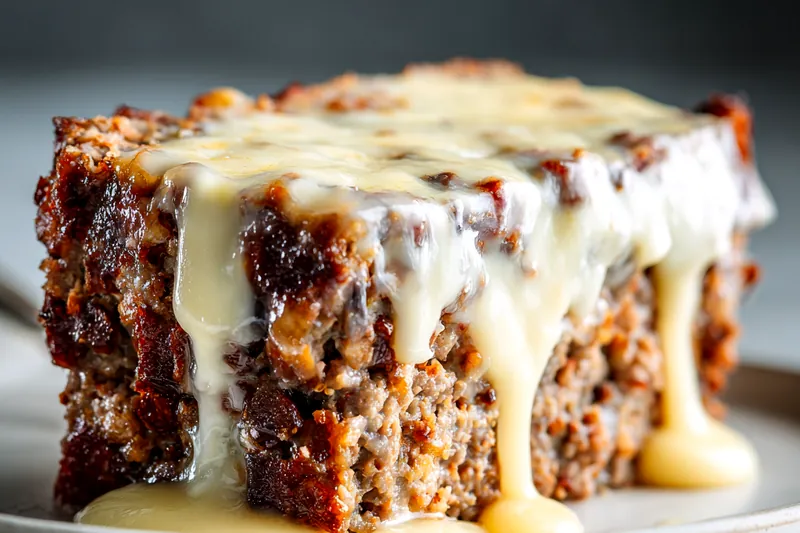
Selecting Quality Ingredients for Maximum Flavor
The foundation of great meatloaf starts with selecting the right ground beef. An 85/15 blend (85% lean, 15% fat) provides the ideal balance - enough fat to keep the meatloaf moist and flavorful without making it greasy. Leaner blends like 90/10 will produce a drier result, while fattier blends like 80/20 can be overly greasy. Buy your beef from a butcher if possible, or look for freshly ground options at the grocery store rather than pre-packaged. The color should be bright red, not brown or gray, and it should smell fresh and clean.
For the breadcrumbs, plain unseasoned varieties work best so you control the flavoring. Panko breadcrumbs create a slightly lighter texture than traditional breadcrumbs. Use whole milk rather than skim for the panade - the fat content matters for moisture. Sharp cheddar cheese makes the most flavorful sauce, though you can experiment with combinations like cheddar-gruyere or pepper jack for a kick. Fresh garlic and onions far surpass their powdered counterparts, adding layers of aromatic flavor. Quality Worcestershire sauce provides umami depth that elevates the entire dish. Store unused breadcrumbs in the freezer to maintain freshness.
Essential Ingredient Notes
- Ground Beef: Choose 85/15 blend for the perfect fat-to-lean ratio. The meat should be cold when mixing for best texture. You can substitute half the beef with ground pork for a sweeter, more tender result. Handle the meat gently to prevent tough texture.
- Breadcrumbs and Milk: This panade mixture is crucial for moisture. Let breadcrumbs fully absorb the milk before adding other ingredients. Whole milk works best, but 2% is acceptable. For extra richness, use half-and-half. This mixture should be paste-like, not soupy.
- Cheddar Cheese: Use sharp or extra-sharp cheddar for maximum flavor in the sauce. Always shred your own cheese from a block - pre-shredded contains anti-caking agents that prevent smooth melting. Bring cheese to room temperature before making the sauce for easier incorporation.
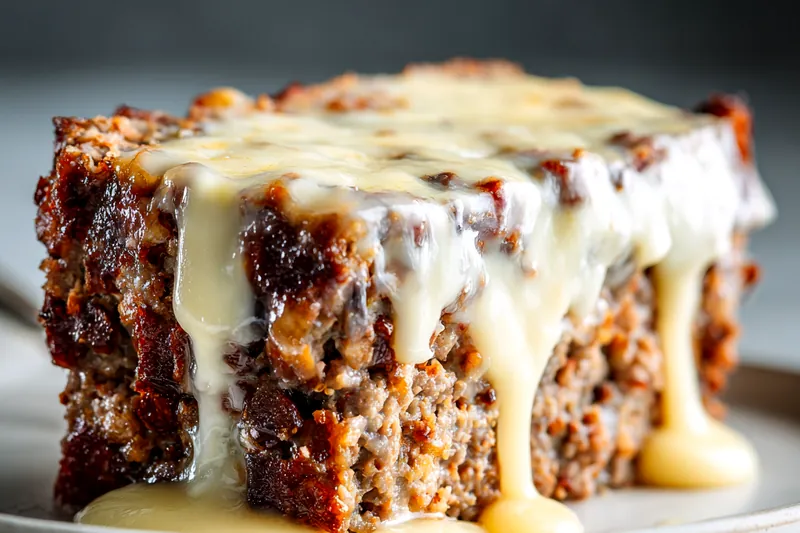
Mastering Meatloaf Technique
The mixing technique makes or breaks your meatloaf. Start by creating the panade - breadcrumbs soaked in milk - and let it sit for a couple of minutes to fully hydrate. This mixture will distribute evenly throughout the meat and create pockets of moisture. When you add the ground beef and other ingredients, use your hands and work quickly with a light touch. Think of it like folding ingredients together rather than kneading dough. The mixture should look just combined with visible streaks of ingredients - this takes only 30-60 seconds of gentle mixing. Overmixing activates too much protein in the meat, resulting in a dense, sausage-like texture.
Shaping and baking require attention to detail for professional results. Whether using a loaf pan or free-form method, ensure even thickness throughout so it cooks uniformly. Press the mixture firmly enough to eliminate air pockets but not so hard that you compress it into a dense brick. The glaze application is strategic - applying it halfway through prevents burning while allowing the sugars to caramelize beautifully. That final 10-minute rest is non-negotiable; the internal juices need time to settle, or they'll run out when you slice. Use a sharp serrated knife and a gentle sawing motion for clean slices that showcase the tender interior.
Creating the Perfect Cheese Sauce
The secret to smooth, velvety cheese sauce is temperature control and patience. Start with melted butter and cream at a gentle simmer, then reduce to the lowest heat before adding cheese. Add cheese gradually in small handfuls, stirring constantly in a figure-eight pattern to ensure even melting. Never let the sauce boil once cheese is added - high heat causes proteins to seize and fat to separate, creating that dreaded grainy texture. If the sauce seems thick, whisk in cream a tablespoon at a time. Keep it warm over very low heat or in a double boiler until serving.
Classic Glazed Meatloaf with Cheese Sauce
📋 Ingredients
Meatloaf Base
- 2 cups shredded sharp cheddar cheeseShred from a block for smoothest melting
- 1 cup heavy creamFull-fat only for rich, creamy texture
- 2 tablespoons butterAdds richness and helps emulsify sauce
- 1/4 teaspoon garlic powderSubtle flavor enhancement
- 1/2 cup ketchupFor the classic sweet-tangy glaze
- 2 tablespoons brown sugarCaramelizes beautifully during baking
- 1 tablespoon apple cider vinegarBalances sweetness with tang
Glaze & Sauce
- 2 lbs ground beef (85/15 blend)Perfect fat ratio for moist, flavorful meatloaf
- 1 cup breadcrumbsCreates moisture-retaining panade
- 1/2 cup whole milkSoaks breadcrumbs for tender texture
- 2 large eggsBinds ingredients together
- 1 medium onion, finely dicedAdds moisture and savory sweetness
- 3 cloves garlic, mincedFresh garlic for aromatic depth
- 2 tablespoons Worcestershire sauceAdds umami and complex flavor
- 1 tablespoon Dijon mustardSubtle tang and depth
- 1 teaspoon dried thymeEarthy herbal notes
- 1 teaspoon paprikaAdds color and mild sweetness
- 1 1/2 teaspoons saltEssential for flavor development
- 1/2 teaspoon black pepperFreshly ground for best flavor
Instructions
Prepare the Meatloaf Mixture
Preheat oven to 350°F (175°C). In a large bowl, combine breadcrumbs and milk, letting them soak for 2 minutes until fully absorbed. Add ground beef, eggs, diced onion, minced garlic, Worcestershire sauce, Dijon mustard, dried thyme, paprika, salt, and black pepper. Using your hands, gently mix just until all ingredients are evenly distributed. Avoid overmixing as this creates a dense texture. The mixture should come together in about 30-60 seconds of gentle folding.
Shape and Prepare for Baking
Transfer the meat mixture to a parchment-lined baking sheet or 9x5-inch loaf pan. Shape into a loaf approximately 9 inches long, 5 inches wide, and 3 inches tall, ensuring even thickness throughout. Press firmly enough to eliminate air pockets but don't compress excessively. In a small bowl, whisk together ketchup, brown sugar, and apple cider vinegar until smooth. Brush half of this glaze evenly over the top and sides of the shaped meatloaf, reserving the remaining glaze for later.
Bake the Meatloaf
Place the meatloaf in the preheated oven and bake for 45 minutes. Remove from oven and brush with the remaining glaze, coating all exposed surfaces. Return to oven and continue baking for an additional 15-20 minutes until the internal temperature reaches 160°F when tested with a meat thermometer in the center. The glaze should be caramelized and the meatloaf should have pulled slightly from the pan edges. Remove from oven and let rest for 10 minutes before slicing - this allows juices to redistribute.
Make the Cheese Sauce
While the meatloaf rests, melt butter in a medium saucepan over medium heat. Add heavy cream and bring to a gentle simmer, stirring occasionally. Reduce heat to low. Gradually add shredded cheddar cheese in small handfuls, stirring constantly in a figure-eight pattern until each addition is completely melted and smooth before adding more. Once all cheese is incorporated, stir in garlic powder. Keep the sauce warm over very low heat, stirring occasionally. If it thickens too much, whisk in additional cream one tablespoon at a time.
Serve
Using a sharp serrated knife, slice the rested meatloaf into portions about 3/4 to 1 inch thick, using a gentle sawing motion for clean cuts. Place each slice on individual plates. Generously drizzle the warm cheese sauce over each portion, allowing it to cascade down the sides and pool around the base. Serve immediately while hot with your choice of sides such as mashed potatoes, roasted vegetables, or a fresh salad. Leftover meatloaf and sauce can be stored separately and reheated.
Recipe Notes & Tips
Storage
Store leftover meatloaf slices in an airtight container in the refrigerator for up to 4 days. Keep cheese sauce in a separate container for up to 3 days. Reheat meatloaf slices in the microwave for 1-2 minutes or in a 325°F oven covered with foil for 15 minutes. Reheat cheese sauce gently on the stovetop over low heat, adding a splash of cream if needed. Freeze cooked meatloaf slices wrapped individually for up to 3 months.
Serving Suggestions
This meatloaf pairs beautifully with classic comfort sides like creamy mashed potatoes, buttered egg noodles, or mac and cheese. For vegetables, try roasted green beans, glazed carrots, steamed broccoli, or Brussels sprouts. A simple garden salad with vinaigrette provides fresh contrast. The cheese sauce is rich, so consider lighter vegetable sides to balance the meal. Leftover meatloaf makes excellent sandwiches on toasted bread with lettuce and tomato.
Variations
Try a 50/50 blend of ground beef and ground pork for extra tenderness and sweetness. Add 1/2 cup grated Parmesan to the meat mixture for added flavor. Mix in 1/4 cup finely chopped fresh parsley or 2 tablespoons fresh thyme for herbal notes. For a spicy kick, add 1/2 teaspoon cayenne pepper or use pepper jack cheese in the sauce. Create a bacon-wrapped version by arranging bacon strips over the top before baking. Substitute the ketchup glaze with barbecue sauce for a smoky variation. Add diced bell peppers or mushrooms to the mixture for extra vegetables and moisture.