Classic Chicken Pot Pie Pasta - Comfort Food Fusion Recipe
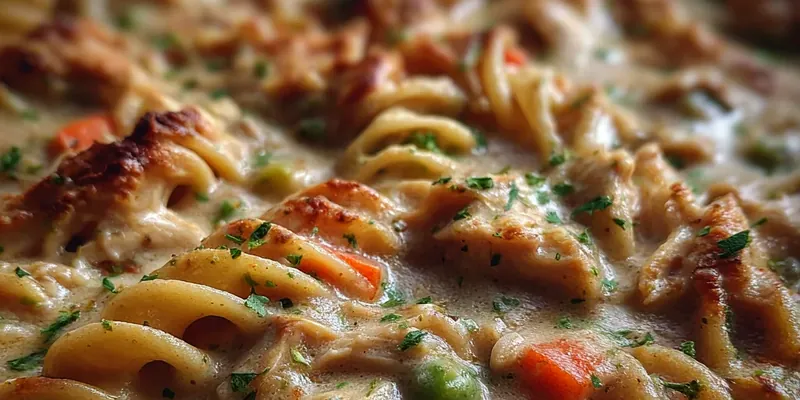
This Classic Chicken Pot Pie Pasta brings together the soul-warming comfort of traditional pot pie with the satisfying heartiness of pasta. Rich, creamy sauce envelops tender chicken and fresh vegetables, creating a one-pot meal that's perfect for busy weeknights or cozy family dinners.

Why This Chicken Pot Pie Pasta Works
The genius of this dish lies in its ability to capture all the beloved flavors of traditional chicken pot pie while eliminating the time-consuming pastry preparation. By building layers of flavor through proper browning of the chicken and sautéing the aromatics, we create that deep, comforting taste that makes pot pie so irresistible. The cream sauce acts as both the binding agent and flavor carrier, ensuring every bite is rich and satisfying.
Using a combination of dried herbs - thyme, rosemary, and sage - gives this pasta dish that distinctive pot pie flavor profile that's both familiar and crave-worthy. The addition of frozen peas and corn not only adds nutritional value but also provides pops of color and sweetness that balance the rich, savory sauce. This one-pot approach means less cleanup while delivering maximum comfort food satisfaction.
💡 Professional Tip
Always cook your chicken in batches if necessary to avoid overcrowding the pan. Proper browning creates fond (those delicious brown bits) that adds incredible depth to your final sauce.
Frequently Asked Questions
Yes, you can prepare this dish up to 2 days in advance. Store it covered in the refrigerator and reheat gently on the stovetop with a splash of chicken broth or cream to restore the sauce consistency. The pasta may absorb some liquid, so adding extra moisture when reheating is normal and expected.
Wide egg noodles are traditional and work beautifully, but penne, rigatoni, or rotini also work well because their shapes hold the creamy sauce effectively. Avoid very thin pasta like angel hair as it won't provide the hearty texture this comfort dish deserves.
Absolutely! Use about 3 cups of shredded rotisserie chicken. Add it during the last few minutes of cooking just to warm through. You'll miss the fond from browning fresh chicken, so consider adding an extra tablespoon of butter for richness.
You can use half-and-half for a lighter version, though the sauce won't be quite as rich. For dairy-free options, try full-fat coconut milk or cashew cream. Avoid low-fat dairy products as they may curdle when heated.
The dish is ready when the chicken reaches 165°F internal temperature, the vegetables are tender, and the sauce coats the pasta without being too thick or thin. The sauce should cling to the pasta but still be creamy and pourable.
This is a complete meal on its own, but it pairs beautifully with a simple green salad, crusty bread, or steamed broccoli. A light, crisp white wine or sparkling water with lemon complements the rich, creamy flavors perfectly.
Definitely! Mushrooms, bell peppers, or green beans work wonderfully. Add heartier vegetables like mushrooms with the onions, and quicker-cooking vegetables like bell peppers with the peas and corn. Keep the total vegetable amount similar for proper sauce consistency.
Store leftovers in the refrigerator for up to 3 days in an airtight container. Reheat gently on the stovetop over low heat, adding a splash of broth or cream as needed. You can also freeze portions for up to 2 months, though the texture may be slightly different after thawing.
Recipe Troubleshooting Guide
Lumpy Sauce
Problem: The sauce has lumps from the flour not incorporating properly.
Solution: Whisk the sauce vigorously or use an immersion blender to smooth it out. Next time, make sure to cook the flour with the vegetables for 2 full minutes and add liquid gradually while whisking constantly.
Sauce Too Thick
Problem: The finished dish is too thick and pasty.
Solution: Thin with reserved pasta water, chicken broth, or cream, adding 1/4 cup at a time until desired consistency is reached. The pasta will continue absorbing liquid as it sits.
Sauce Too Thin
Problem: The sauce is watery and won't coat the pasta properly.
Prevention: Simmer uncovered for a few more minutes to reduce the liquid, or make a slurry with 1 tablespoon cornstarch and 2 tablespoons cold water, then stir into the sauce and cook until thickened.
Dry Chicken
Problem: The chicken pieces turned out dry and overcooked.
Recovery: Remove chicken as soon as it reaches 165°F internal temperature. If already overcooked, the creamy sauce will help mask the dryness. Next time, cut chicken into larger pieces and don't overcook.
Vegetables Too Soft
Problem: The vegetables became mushy during cooking.
Prevention: This batch will still taste good, just with softer texture. Next time, cut vegetables larger and don't overcook the sautéing step. Frozen vegetables should only be added at the very end.
Flavor Balance
Too Sweet: Add a pinch of salt or a splash of lemon juice to balance sweetness from the corn and carrots.
Too Salty: Add a splash of cream or a teaspoon of sugar to mellow excessive saltiness.
Bland: Increase herbs, add fresh cracked black pepper, or finish with fresh lemon juice and parsley for brightness.
Selecting the Perfect Ingredients
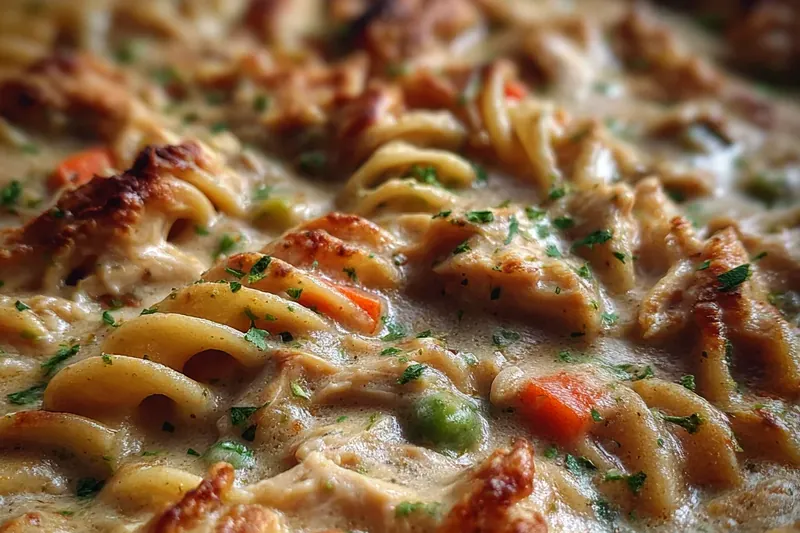
The key to exceptional chicken pot pie pasta starts with choosing quality ingredients that will contribute to both flavor and texture. For the chicken, boneless, skinless breasts or thighs work equally well, though thighs will provide slightly more flavor and stay more tender. Cut the chicken into uniform, bite-sized pieces to ensure even cooking and easy eating with a fork.
Fresh vegetables make a noticeable difference in the final dish. Look for firm carrots and crisp celery that will hold their shape during cooking. The onion should be sweet and aromatic - yellow onions work best for their balanced flavor. For the frozen vegetables, choose high-quality brands and avoid those with ice crystals, which indicate they've been thawed and refrozen.
Essential Ingredient Notes
- Chicken Selection: Choose chicken that's similar in thickness for even cooking. If using breasts, pound them to uniform thickness before cutting.
- Pasta Choice: Wide egg noodles provide the most authentic pot pie experience, but any short, sturdy pasta shape will work well.
- Fresh Herbs: While dried herbs work perfectly in this recipe, you can substitute with fresh herbs using 3 times the amount called for.
Mastering the Cooking Technique
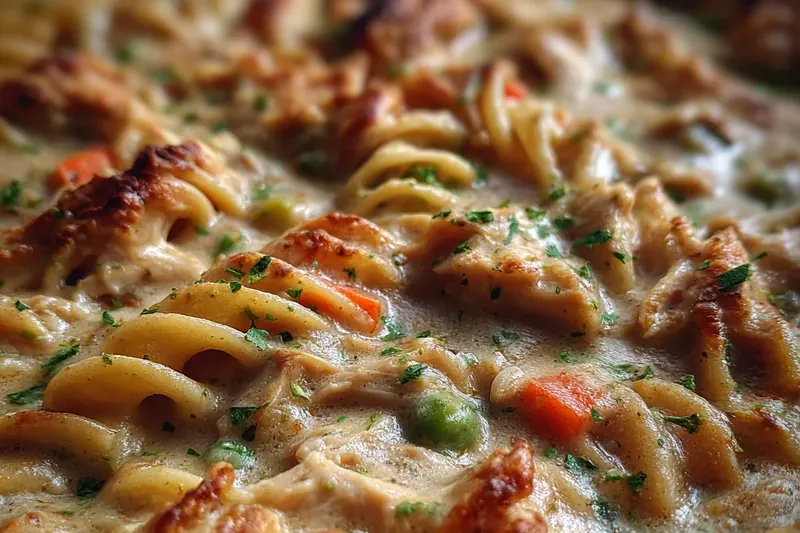
The secret to perfect chicken pot pie pasta lies in building layers of flavor at each step. Start by properly browning the chicken to create fond - those golden-brown bits that stick to the bottom of the pan. This fond becomes the flavor foundation for your entire sauce, so don't skip this crucial step. When sautéing the vegetables, cook them just until they begin to soften while retaining some texture.
Creating a smooth, lump-free sauce requires patience and proper technique. After adding the flour to your vegetables, cook it for a full two minutes while stirring constantly to eliminate any raw flour taste. When adding the liquid, pour it in gradually while whisking continuously. This prevents lumps and ensures a silky-smooth sauce that will coat every piece of pasta beautifully.
The Perfect Roux
Cooking the flour with the sautéed vegetables creates a roux that thickens your sauce naturally. The key is cooking it long enough to remove the raw flour taste while not letting it brown too much, which would change the flavor profile of your dish.
Classic Chicken Pot Pie Pasta - Comfort Food Fusion Recipe
📋 Ingredients
Proteins & Pasta
- 3 tablespoons butterUse unsalted butter for better control over saltiness
- 1/3 cup all-purpose flourCreates the roux base for thickening
- 3 cups low-sodium chicken brothLow-sodium allows better seasoning control
- 1 cup heavy creamCreates the rich, luxurious sauce texture
Sauce & Seasonings
- 1 pound boneless skinless chicken breastsCut into uniform bite-sized pieces
- 12 ounces wide egg noodlesCook al dente as they'll continue cooking in sauce
- 1 medium yellow onion, dicedProvides aromatic base for the sauce
- 2 medium carrots, dicedCut into 1/4-inch pieces for even cooking
Instructions
Step 1: Cook Pasta
Bring a large pot of salted water to boil. Cook pasta according to package directions until al dente. Drain and set aside, reserving 1 cup pasta water.
Step 2: Season and Cook Chicken
Season chicken pieces with salt and pepper. Heat olive oil in a large skillet over medium-high heat. Add chicken and cook for 6-8 minutes until golden brown and cooked through. Remove and set aside.
Step 3: Build the Sauce
Add butter to the same pan. Sauté onion, carrots, and celery for 5-6 minutes. Add garlic and cook 1 minute. Sprinkle flour over vegetables and cook 2 minutes, stirring constantly.
Step 4: Finish and Serve
Gradually whisk in broth and cream. Add herbs, seasonings, chicken, peas, and corn. Simmer until thickened. Toss with pasta, adjust consistency with pasta water, and serve garnished with fresh parsley.
Recipe Notes & Tips
Storage
Store leftovers in refrigerator for up to 3 days. Reheat gently on stovetop with additional liquid as needed. Can be frozen for up to 2 months.
Serving Suggestions
Serve with crusty bread, simple green salad, or steamed vegetables. Pairs well with crisp white wine or sparkling water with lemon.
Variations
Try adding mushrooms, using rotisserie chicken for convenience, or substituting turkey for chicken. Fresh herbs can replace dried herbs using 3 times the amount.