Chicken Alfredo Garlic Bread Bowls
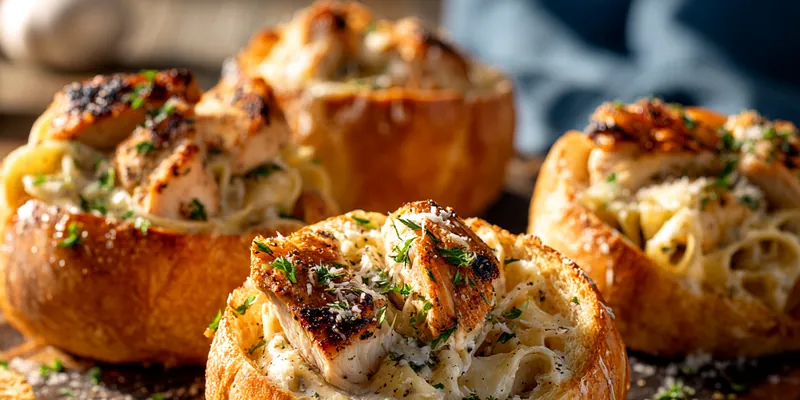
These Chicken Alfredo Garlic Bread Bowls transform ordinary comfort food into an extraordinary dining experience that's both fun and delicious. Imagine perfectly seasoned grilled chicken and creamy fettuccine alfredo nestled inside crispy, buttery garlic bread bowls—it's like getting your pasta and garlic bread in one incredible edible package! This recipe is surprisingly easy to make and guaranteed to impress family and dinner guests alike.

Why You'll Love These Chicken Alfredo Bread Bowls
This recipe brilliantly solves the age-old dinner dilemma of choosing between pasta and bread—now you can have both in one impressive dish! The contrast of textures is what makes these bread bowls truly special: crispy, garlicky bread on the outside gives way to silky, creamy alfredo pasta on the inside, while perfectly seasoned chicken adds protein and heartiness. It's comfort food elevated to restaurant-quality presentation without requiring advanced cooking skills or expensive ingredients.
Beyond the incredible taste, these bread bowls are remarkably practical for busy families. Everything cooks in about 45 minutes from start to finish, and most of the components can be prepared simultaneously to save time. The bread bowls themselves serve as both plate and side dish, meaning less cleanup and fewer dishes to wash. Plus, this recipe is incredibly versatile—you can easily customize it with different proteins, add vegetables, or adjust the sauce richness to suit your family's preferences. Kids especially love the novelty of eating from an edible bowl, making this an excellent choice for picky eaters.
💡 Professional Tip
The secret to perfect bread bowls is choosing the right bread and not over-hollowing them. Select crusty Italian or sourdough rolls with a firm exterior—soft sandwich rolls will get soggy. Leave at least ½ inch of bread on all sides to maintain structural integrity. Toast the bowls thoroughly before filling to create a moisture barrier that keeps them crispy even after adding the creamy alfredo sauce.
Frequently Asked Questions
You can prepare components ahead, but for best results, assemble just before serving. Cook the chicken and alfredo sauce up to 1 day ahead and refrigerate separately. Prepare bread bowls and store at room temperature for up to 4 hours before serving. When ready to eat, reheat the sauce gently on the stovetop, warm the bread bowls in a 350°F oven for 5 minutes, then assemble and serve immediately. The pasta is best cooked fresh, as reheated pasta can become mushy.
Yes! While crusty Italian rolls are traditional, sourdough bread bowls work wonderfully and add a tangy flavor dimension. French bread rolls, ciabatta rolls, or even small round Hawaiian rolls (for smaller portions) also work well. The key is choosing bread with a sturdy crust that can hold up to the creamy sauce. Avoid soft sandwich rolls or brioche, as they'll become too soggy. For a lighter option, whole wheat or multigrain rolls with firm crusts are excellent alternatives.
The toasting step is crucial for preventing sogginess. After hollowing out the bread, brush all interior surfaces generously with garlic butter and toast until golden and slightly crispy—this creates a protective barrier. Don't skip this step! Additionally, make sure your alfredo sauce isn't too thin; it should coat the back of a spoon. If your sauce seems watery, simmer it a bit longer to thicken. Finally, fill the bread bowls just before serving rather than letting them sit filled for extended periods.
For a lighter version, you can use half-and-half, though the sauce will be less rich and slightly thinner—you may need to add an extra tablespoon of flour or cornstarch to thicken it. Whole milk mixed with 2 tablespoons of flour can work in a pinch, but won't achieve the same luxurious creaminess. For dairy-free options, full-fat coconut cream or cashew cream work surprisingly well, though they'll impart subtle flavor differences. Avoid using low-fat milk, as the sauce will be watery and won't have proper alfredo consistency.
The most reliable method is using an instant-read meat thermometer—chicken should reach an internal temperature of 165°F at the thickest part. Visually, properly cooked chicken will be opaque white throughout with no pink remaining, and juices will run clear when pierced. The exterior should be golden brown with nice sear marks. If you don't have a thermometer, cut into the thickest piece to check—but be aware this releases juices and can make chicken slightly drier. For best results, pound chicken breasts to even thickness before cooking so they cook uniformly.
Since the bread bowls are quite filling and already include starch and protein, pair them with lighter sides. A crisp Caesar salad or simple mixed greens with balsamic vinaigrette provides refreshing contrast. Roasted or steamed vegetables like broccoli, green beans, or asparagus add color and nutrition without overwhelming the meal. Garlic roasted cherry tomatoes are excellent for adding acidity that cuts through the rich cream sauce. For appetizers, consider bruschetta, caprese skewers, or a light Italian wedding soup. A glass of white wine like Pinot Grigio or Chardonnay complements the creamy alfredo beautifully.
Absolutely! Vegetables add nutrition, color, and flavor. Sautéed mushrooms, sun-dried tomatoes, and spinach are classic alfredo additions that work perfectly. Broccoli florets (blanched or steamed until tender-crisp) are traditional with alfredo. Roasted bell peppers, artichoke hearts, or peas also complement the dish nicely. Add vegetables when you combine the pasta with the sauce. For heartier additions like broccoli or mushrooms, sauté them separately with a bit of garlic, then fold them in with the pasta. Keep vegetables in reasonable amounts—about 1-2 cups total—so they don't overwhelm the dish.
Store components separately for best results. Remove any filling from the bread bowls and store the pasta mixture in an airtight container in the refrigerator for up to 3 days. The bread bowls don't store well once used—they'll be too soggy. However, unused toasted bread bowls can be kept at room temperature for 1 day. To reheat the alfredo pasta, add a splash of cream or milk to a skillet over low heat and warm gently, stirring frequently. The sauce may separate slightly when reheated, but stirring in a bit of fresh Parmesan will help bring it back together. Microwave reheating works but can make the sauce grainy.
Recipe Troubleshooting Guide
Sauce is Too Thick
Problem: Your alfredo sauce has become overly thick and pasty, making it difficult to coat the pasta properly.
Solution: Thin the sauce by adding reserved pasta water, 2 tablespoons at a time, stirring constantly over low heat. Pasta water is ideal because the starch helps the sauce cling to noodles. Alternatively, add warm heavy cream or milk gradually. Never add cold liquid, as it can cause the sauce to break and become grainy. If the sauce has cooled and thickened, simply reheat it gently while adding liquid—alfredo sauce thickens significantly as it cools.
Sauce is Too Thin
Problem: Your alfredo sauce is watery and won't cling to the pasta, pooling at the bottom of the bowl instead.
Solution: Continue simmering the sauce over low heat for 3-5 more minutes to allow excess moisture to evaporate and the sauce to reduce. Stir frequently to prevent scorching. For a quicker fix, mix 1 tablespoon of cornstarch with 2 tablespoons of cold water to create a slurry, then whisk it into the simmering sauce. Alternatively, add more grated Parmesan cheese, which acts as a natural thickener. Make sure you're using heavy cream (36% fat) rather than half-and-half or milk, as lower-fat dairy products won't create proper alfredo consistency.
Chicken is Dry
Problem: Your chicken pieces are overcooked, tough, and dry rather than juicy and tender.
Prevention: Prevention is key—use a meat thermometer and remove chicken from heat at exactly 165°F, as carryover cooking will bring it to 170°F as it rests. If already overcooked, dice the chicken smaller and let it soak in the warm alfredo sauce for 5 minutes to absorb moisture. For future batches, brine chicken in saltwater for 30 minutes before cooking, or pound breasts to even ½-inch thickness for uniform cooking. Consider using chicken thighs instead of breasts, as they're more forgiving and stay moist even if slightly overcooked.
Bread Bowls Fell Apart
Problem: Your bread bowls broke apart, crumbled, or collapsed when you tried to fill them or while eating.
Recovery: This typically happens when bread is too soft, hollowed too thin, or not toasted enough. Next time, choose crusty artisan rolls with firm exteriors and leave at least ½ inch of bread on all sides and bottom. Toast the bowls thoroughly until they're crispy and golden—this structural integrity is essential. If a bowl does crack, you can patch it with softened cream cheese or butter, then re-toast briefly. For immediate serving, place the damaged bowl on a plate and treat it more like an open-faced presentation rather than a true bowl.
Sauce Separated or Looks Grainy
Problem: Your alfredo sauce has curdled, separated into oily and watery parts, or developed a grainy, unpleasant texture.
Prevention: This happens when sauce gets too hot or cheese is added too quickly. Remove from heat immediately and whisk vigorously. If that doesn't work, blend the sauce with an immersion blender to re-emulsify. To prevent this, always use low heat when making alfredo and add cheese gradually while stirring constantly. Use freshly grated Parmesan from a block rather than pre-grated cheese, which contains anti-caking agents that prevent smooth melting. If sauce has already broken, start with fresh warm cream and slowly whisk in the broken sauce—this sometimes rescues it.
Flavor Balance Issues
Too Sweet: Alfredo sauce tastes unexpectedly sweet? This can happen with certain cream brands or if cream cheese has added sugar. Balance it by adding a pinch of salt, a squeeze of fresh lemon juice, or a dash of white pepper. Freshly cracked black pepper also helps counteract sweetness.
Too Salty: Sauce is too salty? This usually occurs when using pre-grated Parmesan (which contains more salt) or salted butter. Dilute by adding more unsalted cream and unsalted butter, or stir in a peeled, halved raw potato for 10 minutes to absorb excess salt, then remove it. Adding a bit more pasta also helps balance saltiness.
Bland: Dish lacks flavor? Alfredo should be rich but not bland. Add more fresh garlic, a pinch of nutmeg (classic alfredo secret), white pepper, or extra Parmesan. Ensure your chicken is well-seasoned before cooking. Fresh herbs like basil or parsley at the end brighten everything up. Sometimes bland alfredo just needs more salt—taste and adjust gradually.
Selecting the Best Ingredients for Perfect Bread Bowls
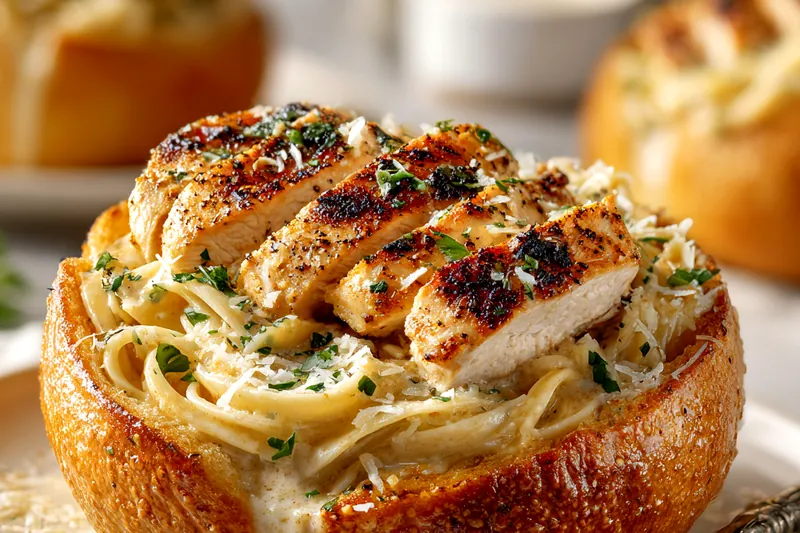
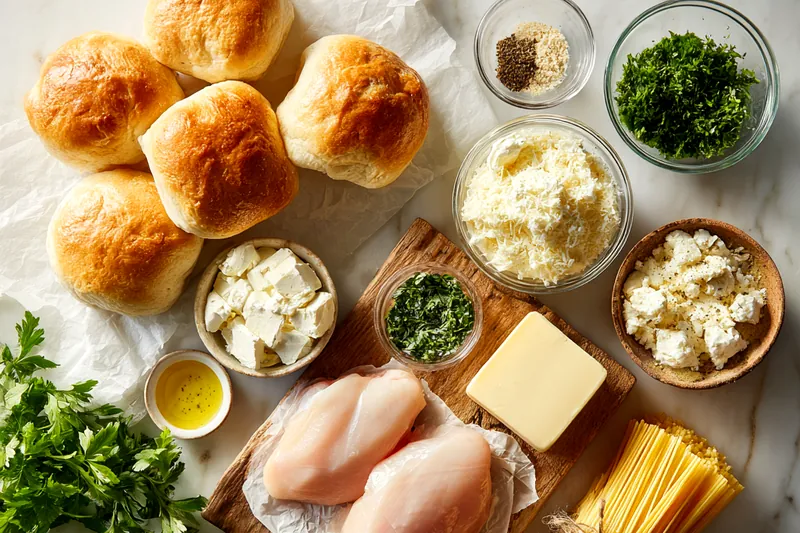
The quality of your ingredients directly impacts the final dish, so it's worth being selective at the grocery store. For the bread bowls, choose crusty Italian or sourdough rolls that are fresh-baked if possible—they should feel heavy for their size with a firm, golden crust and soft interior. Avoid pre-packaged rolls that feel light and fluffy, as they lack the structure needed. For the chicken, look for organic or free-range breasts that are similar in size for even cooking. The color should be pale pink without any gray patches, and the meat should spring back when touched.
Dairy ingredients make or break alfredo sauce, so quality matters immensely here. Always use heavy cream (also called heavy whipping cream) with at least 36% milk fat—anything less won't create that signature velvety texture. For Parmesan cheese, buy a wedge of authentic Parmigiano-Reggiano and grate it fresh right before cooking. Pre-grated Parmesan contains cellulose (to prevent clumping) which interferes with the sauce's smooth texture and can make it grainy. Fresh garlic cloves will always deliver better flavor than jarred minced garlic, and using real butter rather than margarine ensures proper flavor development and sauce emulsification.
Essential Ingredient Notes
- Italian Bread Rolls: Choose rolls that are 5-6 inches in diameter with a crispy, golden crust and dense interior crumb. The bread should feel sturdy and substantial—too soft and it won't hold the filling; too hard and it'll be difficult to eat. If you can't find suitable rolls, small round sourdough loaves work wonderfully. Store at room temperature and use within 1-2 days of purchase for optimal freshness. Day-old bread actually works slightly better as it's less likely to become soggy.
- Parmesan Cheese: Invest in authentic Parmigiano-Reggiano rather than generic 'Parmesan' for the best flavor and texture. Look for the distinctive pin-dot pattern and 'Parmigiano-Reggiano' stamped on the rind. The cheese should be pale gold, slightly crumbly, and have a nutty, complex flavor. Grate just before using on the smallest holes of a box grater or use a Microplane. Pre-grated cheese won't melt as smoothly. Wrapped tightly in parchment then plastic, a Parmesan wedge keeps for months in the refrigerator.
- Heavy Cream: Use genuine heavy cream (36-40% milk fat), not light cream, half-and-half, or 'heavy whipping cream' that's been ultra-pasteurized. Check the label—ingredients should list only cream, with no additives or stabilizers. Organic or local dairy cream often has superior flavor. The cream should be fresh, not close to its expiration date, as older cream can have slightly sour notes that affect the sauce. Always bring cream to room temperature before using to prevent the sauce from breaking when combined with other ingredients.
Mastering the Technique for Restaurant-Quality Results
The key to exceptional chicken alfredo bread bowls lies in proper execution of three fundamental techniques: achieving perfectly cooked chicken with a golden sear, creating a silky alfredo sauce that won't break, and preparing bread bowls that stay crispy throughout the meal. For the chicken, the secret is starting with room-temperature meat, using high heat to develop a beautiful crust, and never overcooking—use a meat thermometer to hit exactly 165°F. Pat the chicken completely dry before seasoning and searing, as surface moisture prevents proper browning.
Making foolproof alfredo sauce requires patience and attention to temperature control. The cardinal rule is keeping heat low—high heat causes dairy proteins to separate and cheese to become grainy. Add cheese gradually while stirring constantly, allowing each addition to fully melt before adding more. If your sauce seems too thick, resist the urge to add cream; instead, use starchy pasta water which helps the sauce cling better to noodles. For the bread bowls, thorough toasting is non-negotiable. That crispy, butter-enriched interior creates a barrier preventing the bread from absorbing sauce and turning mushy. Brush garlic butter into every crevice and toast until you see golden color throughout.
The Perfect Alfredo Emulsification
Creating a silky, stable alfredo sauce is all about emulsification—getting fat and water to blend smoothly together. Start by melting butter over medium-low heat, add cream, and let it warm gently without boiling. The cream cheese acts as an emulsifier, helping bind everything together smoothly. When adding Parmesan, remove the pan from direct heat and add cheese in small handfuls, stirring constantly in a figure-eight motion. This gradual incorporation prevents clumping and ensures even melting. The sauce should coat the back of a spoon—if you draw your finger through it, the line should remain clear. If the sauce starts looking oily or separated, immediately remove from heat and whisk vigorously, or add a splash of pasta water while whisking to bring it back together.
Chicken Alfredo Garlic Bread Bowls
📋 Ingredients
For the Garlic Bread Bowls
- 1½ cups heavy creamMust be 36% fat or higher for proper consistency
- 1 cup freshly grated Parmesan cheeseUse Parmigiano-Reggiano for best results
- 4 ounces cream cheese, softenedHelps create extra creamy, stable sauce
- 2 tablespoons unsalted butterFor sautéing garlic and building sauce base
- 2 cloves garlic, mincedFresh garlic provides best flavor
- Salt and black pepper to tasteSeason gradually and taste as you go
For the Chicken Alfredo
- 4 round crusty Italian bread rolls (6-inch diameter)Look for rolls with firm crust and dense interior
- 1 pound boneless skinless chicken breastsAbout 2 medium breasts; pound to even thickness
- 8 ounces fettuccine pastaCan substitute with linguine or pappardelle
- 2 tablespoons unsalted butterFor garlic butter coating on bread bowls
- 2 cloves garlic, mincedFor garlic butter mixture
- 1 teaspoon Italian seasoningAdds herb flavor to bread bowls
- 2 tablespoons olive oilFor cooking chicken
- 1 teaspoon paprikaAdds color and subtle flavor to chicken
- ½ teaspoon garlic powderFor chicken seasoning blend
- 2 tablespoons fresh parsley, choppedFor garnish; adds fresh flavor and color
- Extra Parmesan cheese for garnishFreshly grated for sprinkling on top
Instructions
Prepare Bread Bowls
Preheat oven to 375°F. Cut the top off each bread roll (about 1 inch down) and set tops aside. Using your fingers or a small spoon, carefully hollow out the center of each roll, leaving approximately ½-inch thick walls on all sides and the bottom. Save the removed bread for another use. In a small bowl, melt 2 tablespoons butter with 2 cloves minced garlic and Italian seasoning in the microwave (about 30 seconds). Using a pastry brush, generously brush the garlic butter mixture on the inside and outside of each bread bowl and on the cut side of the tops. Place bread bowls and tops on a baking sheet lined with parchment paper and toast in preheated oven for 8-10 minutes until golden brown and slightly crispy. Remove from oven and set aside.
Cook Chicken
While bread is toasting, pat chicken breasts completely dry with paper towels. If chicken breasts are thick, pound them to an even ½-inch thickness using a meat mallet. Season both sides generously with salt, black pepper, paprika, and garlic powder, pressing seasonings into the meat. Heat olive oil in a large skillet over medium-high heat until shimmering. Add chicken breasts and cook without moving for 6-7 minutes until a golden crust forms. Flip and cook the other side for 6-7 minutes until internal temperature reaches 165°F on an instant-read thermometer. Remove chicken from skillet and transfer to a cutting board. Let rest for 5 minutes, then dice into ½-inch cubes. Set aside. Do not clean the skillet—you'll use it for the sauce.
Cook Pasta
Bring a large pot of salted water to a rolling boil over high heat. Add fettuccine and cook according to package directions until al dente (usually 8-10 minutes). Stir occasionally to prevent sticking. Before draining, use a measuring cup to reserve 1 cup of the starchy pasta cooking water—this is crucial for adjusting sauce consistency later. Drain pasta in a colander and set aside. Do not rinse the pasta, as the surface starch helps sauce adhere better.
Make Alfredo Sauce
Return the skillet used for chicken to medium heat (any browned bits left in the pan add flavor). Add remaining 2 tablespoons butter and let it melt completely. Add remaining minced garlic and sauté for 30 seconds, stirring constantly, until fragrant but not browned. Pour in heavy cream and add cream cheese pieces. Stir continuously until cream cheese is fully melted and mixture is smooth, about 2-3 minutes. Reduce heat to low and let sauce simmer gently for 3-4 minutes, stirring frequently—it should thicken slightly. Remove pan from heat. Gradually add freshly grated Parmesan cheese in small handfuls, stirring constantly with a wooden spoon until each addition is fully melted before adding more. Once all cheese is incorporated, the sauce should be smooth and creamy, coating the back of a spoon. Season with salt and black pepper to taste. If sauce seems too thick, gradually stir in reserved pasta water, 2 tablespoons at a time, until desired consistency is reached.
Combine and Serve
Add cooked fettuccine to the alfredo sauce in the skillet and toss gently with tongs or two forks until every strand is evenly coated with sauce. Fold in about half of the diced chicken, reserving the rest for topping. Taste and adjust seasoning with additional salt and pepper if needed. Place toasted bread bowls on individual serving plates. Using tongs, generously fill each bread bowl with the chicken alfredo pasta, allowing some pasta to mound slightly over the top. Arrange remaining chicken pieces artfully on top of each filled bowl. Garnish each serving with a generous sprinkle of freshly chopped parsley, extra freshly grated Parmesan cheese, and a few grinds of black pepper. Serve immediately while hot, with the toasted bread bowl tops on the side. Encourage diners to tear pieces of the edible bowl to scoop up the creamy pasta as they eat!
Recipe Notes & Tips
Storage
Store leftover chicken alfredo pasta (removed from bread bowls) in an airtight container in the refrigerator for up to 3 days. The bread bowls do not store well once filled—they become too soggy. To reheat pasta, place in a skillet over low heat with a splash of cream or milk, stirring gently until warmed through. The sauce may separate slightly when reheated; stirring in a tablespoon of fresh Parmesan helps restore creaminess. Avoid microwaving if possible, as it can make the sauce grainy.
Serving Suggestions
These bread bowls are substantial enough to serve as a complete meal, but pair beautifully with a crisp Caesar salad or mixed green salad with balsamic vinaigrette. Roasted or steamed broccoli, asparagus, or green beans make excellent vegetable sides. For appetizers, consider bruschetta, caprese salad, or antipasto. A chilled glass of Pinot Grigio, Chardonnay, or Sauvignon Blanc complements the rich, creamy alfredo perfectly. For non-alcoholic options, sparkling water with lemon or Italian soda are refreshing choices.
Variations
Make it spicy by adding red pepper flakes to the alfredo sauce or using Cajun seasoning on the chicken. For a seafood version, substitute shrimp for chicken and add a squeeze of lemon juice. Add vegetables like sautéed mushrooms, sun-dried tomatoes, spinach, or broccoli to the pasta. Use different pasta shapes like penne or rigatoni for easier eating. For a lighter version, substitute half the heavy cream with whole milk and reduce the cream cheese (though sauce will be thinner). Make it vegetarian by omitting chicken and adding roasted vegetables or extra mushrooms.