Caramel Pecan Pie Bars with Buttery Shortbread Crust
These Caramel Pecan Pie Bars deliver all the flavors of classic pecan pie without the fuss of rolling dough or crimping crusts. A buttery shortbread base provides the perfect foundation for a layer of toasted pecans drenched in golden caramel. They're incredibly easy to make, transport beautifully, and disappear faster than traditional pie at any gathering.


Why These Bars Work Better Than Traditional Pecan Pie
The genius of pecan pie bars lies in their simplified structure without compromising flavor. Traditional pecan pie requires careful attention to crust preparation, blind-baking, and achieving the perfect custard consistency. These bars eliminate those challenges with a press-in shortbread crust that's virtually foolproof. The shortbread provides a sturdy, buttery foundation that won't get soggy, even when topped with generous amounts of caramel.
The caramel filling in these bars is more concentrated than traditional pecan pie filling, which typically uses corn syrup and eggs to create a custard-like texture. By using a combination of brown sugar, honey, and heavy cream, we create a genuine caramel that intensifies the toasted pecan flavor while maintaining that signature gooey texture. The absence of eggs means no risk of underbaking or overbaking the custard, giving you a much wider window for perfect results every time.
💡 Professional Tip
Always toast your pecans before adding them to the bars. This step deepens their flavor and creates a slightly crispy texture that contrasts beautifully with the soft caramel. Raw pecans can taste flat and even slightly bitter in comparison.
Frequently Asked Questions
Absolutely! These bars are actually better when made a day ahead. The flavors meld together beautifully overnight, and the texture becomes perfectly chewy. Store them in an airtight container at room temperature for up to 3 days, or refrigerate for up to a week. Let them come to room temperature for 30 minutes before serving for the best texture.
Yes, walnuts are the most common substitution and work beautifully with the caramel. You can also use a combination of pecans and walnuts for variety. Almonds can work but should be sliced rather than whole, as they're denser. Avoid cashews or macadamias, as they're too soft and won't provide the same textural contrast.
A crumbly crust usually means the butter wasn't cold enough or the mixture wasn't pressed firmly into the pan. Make sure your butter is very cold when making the crust, and use the bottom of a measuring cup or your hands to press the mixture firmly and evenly into every corner of the pan. The crust should feel compact, not loose, before baking.
While corn syrup will work, honey provides a more complex flavor profile with floral notes that complement the pecans beautifully. If using corn syrup, opt for light corn syrup rather than dark, and consider adding an extra 1/2 teaspoon of vanilla to boost the flavor. The texture will be slightly different but still delicious.
The caramel should be bubbling vigorously across the entire surface, not just around the edges. The color will deepen to a rich amber, and you'll see rapid, consistent bubbling throughout. If only the edges are bubbling, continue baking for another 3-5 minutes. Don't worry if it looks too liquidy when hot—it will firm up considerably as it cools.
These bars are rich and sweet, so they pair beautifully with unsweetened whipped cream or vanilla ice cream to balance the sweetness. A strong cup of black coffee or espresso is the perfect beverage accompaniment. For holiday gatherings, serve them alongside lighter desserts like fruit tarts or lemon bars to offer variety.
Yes! Substitute the all-purpose flour with a 1-to-1 gluten-free baking flour blend that contains xanthan gum. Bob's Red Mill and King Arthur both make excellent options. The texture will be slightly more tender, so be extra careful when pressing the crust into the pan and cutting the bars.
Store cooled bars in an airtight container with parchment paper between layers to prevent sticking. They'll keep at room temperature for 3 days or refrigerated for up to a week. You can also freeze them for up to 3 months—wrap individual bars in plastic wrap, then place in a freezer bag. Thaw in the refrigerator overnight before serving.
Recipe Troubleshooting Guide
Caramel Is Too Hard
Problem: The caramel topping sets rock-hard and is difficult to bite through, making the bars unpleasant to eat.
Solution: This happens when the caramel is cooked too long or at too high a temperature. The mixture should simmer gently for only 3-4 minutes after coming to a boil. If your caramel is already hard, you can salvage the bars by warming them slightly in the microwave for 10-15 seconds before serving to soften the topping.
Crust Falls Apart When Cutting
Problem: The shortbread crust crumbles and breaks apart when trying to cut the bars into squares.
Solution: Always allow the bars to cool completely before cutting—at least 2 hours at room temperature or 30 minutes in the refrigerator. Use a large, sharp chef's knife and wipe it clean between each cut. You can also score the bars lightly while still slightly warm to create cutting guides, then complete the cuts once fully cooled.
Caramel Separated or Looks Greasy
Problem: The caramel topping has an oily appearance or the butter has separated from the sugar mixture.
Prevention: This occurs when the caramel is heated too quickly or not stirred constantly. Make sure to stir continuously while the caramel comes to a boil and during simmering. If it does separate, remove from heat and whisk vigorously while adding 1-2 tablespoons of hot water to re-emulsify the mixture.
Bars Stick to the Pan
Problem: The bars are impossible to remove from the baking pan without breaking apart.
Recovery: Always line your pan with parchment paper, leaving an overhang on two sides to create handles. Don't skip this step, as even well-greased pans can cause sticking with the caramel. If you forgot the parchment, try warming the bottom of the pan slightly with a warm towel to loosen the caramel before attempting to remove the bars.
Pecans Sink to the Bottom
Problem: All the pecans have sunk through the caramel to the crust layer instead of staying on top.
Prevention: This happens when the caramel is too thin or the pecans are added before the crust has set properly. Make sure the crust is fully baked and slightly cooled before adding pecans. Also ensure your caramel mixture simmers for the full 3-4 minutes to reach the proper consistency—it should coat the back of a spoon before pouring.
Flavor Balance Issues
Too Sweet: If the bars taste overly sweet, sprinkle them with flaky sea salt immediately after removing from the oven. You can also serve with unsweetened whipped cream or reduce the brown sugar to 3/4 cup next time.
Too Salty: If the bars taste too salty, you likely used salted butter instead of unsalted. To balance it, drizzle with a simple glaze made from 1 cup powdered sugar and 2 tablespoons milk to add sweetness.
Bland: If the bars lack flavor depth, the pecans may not have been toasted properly or the vanilla was omitted. Toast pecans until deeply fragrant, and make sure to use pure vanilla extract rather than imitation for the best flavor.
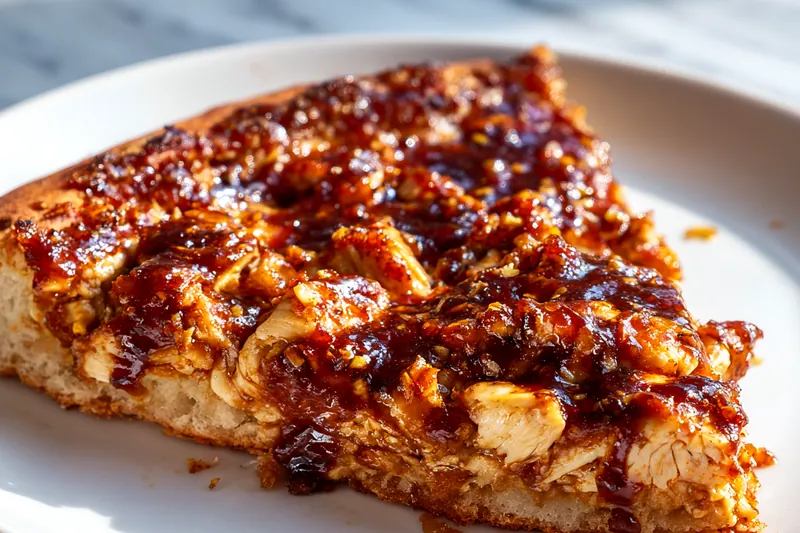
Selecting the Best Ingredients for Maximum Flavor
The quality of your ingredients directly impacts the final result with these bars. Use European-style butter with higher fat content (like Kerrygold or Plugrá) for the richest, most tender shortbread crust. The butter should be very cold when making the crust to ensure proper texture—if it's too soft, the crust will be greasy rather than crumbly and tender. For the caramel layer, use cultured butter which adds a subtle tang that balances the sweetness beautifully.
Pecans vary significantly in quality and freshness. Always buy from a store with high turnover, and taste one before using—stale pecans have a flat, almost cardboard-like flavor that will ruin your bars. Store pecans in the freezer to maintain freshness, and bring them to room temperature before toasting. Light brown sugar is preferable to dark brown sugar here, as it provides sweetness without the strong molasses flavor that can overpower the delicate pecan taste. Finally, use pure vanilla extract rather than imitation—its complex flavor compounds stand up to the high heat of baking.
Essential Ingredient Notes
- Butter: Use unsalted European-style butter with at least 82% butterfat for the richest flavor and texture. Keep it very cold for the crust (cut into cubes and refrigerate) and at room temperature for the caramel to ensure smooth incorporation.
- Pecans: Choose pecan halves over pieces for the most attractive presentation. Look for plump, uniform nuts with no dark spots or rancid smell. Fresher pecans have a sweet, buttery aroma. Store in the freezer for up to 6 months to prevent the natural oils from turning rancid.
- Honey: Use mild-flavored honey like clover or wildflower. Strong varietals like buckwheat can overpower the delicate balance of flavors. The honey adds complexity that corn syrup cannot match, plus it helps prevent crystallization in the caramel.
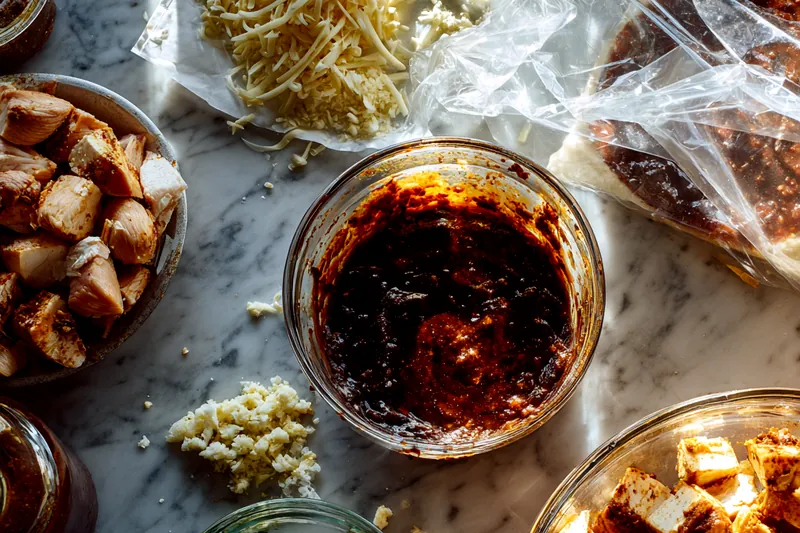
Mastering the Technique for Perfect Bars Every Time
The key to perfect pecan bars lies in three critical steps: properly preparing the crust, achieving the right caramel consistency, and nailing the baking time. For the crust, the mixture should resemble coarse meal or wet sand when properly processed—if you can squeeze a handful and it holds together, it's ready. Press firmly and evenly into the pan, paying special attention to corners where the mixture tends to be thinner. An even crust ensures uniform baking and prevents thin spots that can burn.
The caramel needs to reach soft-ball stage (around 235°F) to set properly but remain chewy. Without a candy thermometer, watch for the mixture to thicken noticeably and coat the back of a spoon without immediately running off. When you pour it over the pecans, it should flow slowly but steadily. The final bake is crucial—the entire surface must bubble vigorously, not just the edges. This ensures the caramel has reached the proper temperature throughout and will set correctly as it cools. Underbaked bars will be too soft and sticky, while overbaked bars become hard and difficult to bite through.
Creating the Perfect Caramel
The difference between good and great caramel lies in temperature control and constant stirring. Use a heavy-bottomed saucepan to prevent hot spots and scorching. Stir constantly once all ingredients are added—this distributes heat evenly and prevents the mixture from burning on the bottom. When the mixture reaches a full boil, reduce heat to medium-low and start timing. The caramel should be deep amber and smell intensely sweet and nutty. Remove from heat immediately when done to prevent overcooking from residual heat in the pan.
Caramel Pecan Pie Bars with Buttery Shortbread Crust
📋 Ingredients
Shortbread Crust
- 1 cup packed light brown sugarLight brown for subtle molasses flavor
- 2/3 cup honeyUse mild clover or wildflower honey
- 1/2 cup heavy creamFull-fat for richest caramel
- 4 tablespoons unsalted butterRoom temperature for easy mixing
- 3 cups pecan halvesToast before using for maximum flavor
- 1 teaspoon vanilla extractPure extract, not imitation
- 1/4 teaspoon sea saltBalances sweetness perfectly
Caramel Pecan Topping
- 2 cups all-purpose flourSpoon and level for accuracy
- 1/2 cup granulated sugarCreates tender, sweet crust
- 1 cup unsalted butter, cold and cubedMust be very cold for flaky texture
- 1/4 teaspoon saltEnhances butter flavor in crust
Instructions
Prepare Shortbread Crust
Preheat oven to 350°F and line a 9x13-inch baking pan with parchment paper, leaving a 2-inch overhang on two sides. In a food processor, combine flour, granulated sugar, and salt. Add cold butter cubes and pulse 15-20 times until mixture resembles coarse crumbs with some pea-sized pieces remaining. Press mixture firmly and evenly into prepared pan, using the bottom of a measuring cup to compact it. Bake for 18-20 minutes until edges are lightly golden and center is set.
Toast Pecans
While crust bakes, spread pecan halves in a single layer on a separate rimmed baking sheet. Toast in the oven for 8-10 minutes, stirring once halfway through, until fragrant and one shade darker. Watch carefully to prevent burning. Remove from oven and set aside to cool slightly.
Make Caramel Filling
In a medium heavy-bottomed saucepan over medium heat, combine brown sugar, honey, heavy cream, and butter. Stir constantly with a wooden spoon until butter melts and mixture is smooth. Increase heat to medium-high and bring to a full rolling boil, stirring constantly. Once boiling, reduce heat to medium-low and simmer for 3-4 minutes, stirring frequently, until mixture thickens slightly and turns deep amber. Remove from heat and stir in vanilla extract and sea salt.
Assemble and Bake
Working quickly while crust is still hot, arrange toasted pecans in an even layer over the crust, covering it completely. Carefully pour hot caramel mixture over pecans, using a spatula to spread it evenly and ensure all pecans are coated. Return pan to oven and bake for 20-25 minutes until caramel is bubbling vigorously across the entire surface, not just around edges.
Cool and Cut
Remove from oven and let bars cool completely in the pan on a wire rack for at least 2 hours—the caramel will firm up as it cools. For cleanest cuts, refrigerate for 30 minutes until caramel is firm. Using the parchment overhang, lift the entire slab out of the pan onto a cutting board. Use a large sharp knife, wiping it clean between cuts, to cut into 16 squares (4 rows by 4 rows). Store in an airtight container.
Recipe Notes & Tips
Storage
Store bars in an airtight container with parchment paper between layers at room temperature for up to 3 days or refrigerate for up to 1 week. Bring to room temperature 30 minutes before serving for best texture. Bars can be frozen for up to 3 months—wrap individually in plastic wrap, then place in freezer bags. Thaw overnight in refrigerator.
Serving Suggestions
Serve bars at room temperature with a dollop of unsweetened whipped cream or a scoop of vanilla ice cream to balance the sweetness. They pair beautifully with strong coffee or hot tea. For an elegant presentation, dust with powdered sugar or drizzle with dark chocolate just before serving.
Variations
Try using a combination of pecans and walnuts for varied texture. Add 1/2 cup mini chocolate chips to the pecan layer before pouring caramel for a chocolate-pecan version. For spiced bars, add 1 teaspoon cinnamon and 1/4 teaspoon nutmeg to the crust mixture. You can also substitute maple syrup for half the honey for a deeper, more complex flavor.